Every owner who has priced a used boat knows that two boats of the same model, year, and engine hours can sell for noticeably different amounts. The difference is almost never the boat itself. It is the maintenance history behind it, and on the Chesapeake Bay specifically, where salinity and humidity work against a neglected boat faster than they do in a freshwater lake, that history shows up early.
This is a different question from preparing a boat for sale. This piece is about the ongoing care that protects your boat’s value for as long as you own it, whether or not you ever plan to sell.
Norton Yachts’ service team handles full-season maintenance for sail and power boats from our boatyard in Deltaville, Virginia. If you want a maintenance plan built around protecting your boat’s value over time, call (804) 776-9211 or visit our boat service center.
The True Cost of Ownership Includes What You Avoid, Not Just What You Spend
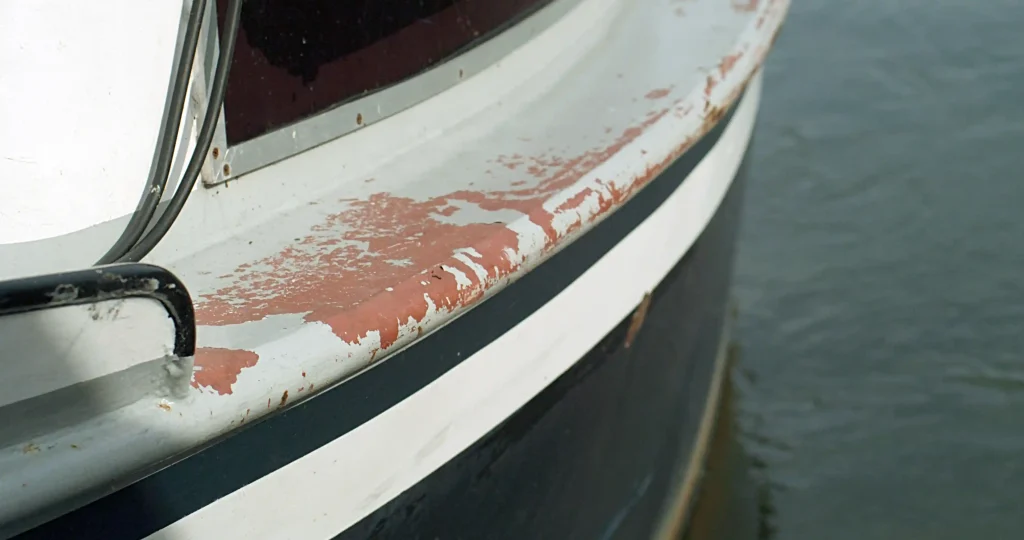
The true cost of boat ownership is rarely just the purchase price plus a rough annual maintenance figure. It is the purchase price, plus routine maintenance, plus the much larger bill that shows up when a small problem goes unaddressed long enough to become a large one. A raw water pump that gets replaced on schedule costs a fraction of what an overheated and cracked engine block costs. A bottom that gets painted on its normal cycle costs far less than a hull that develops osmotic blisters from years of deferred attention.
What Actually Moves the Needle on Value
A handful of maintenance categories do most of the work when it comes to protecting what a boat is worth:
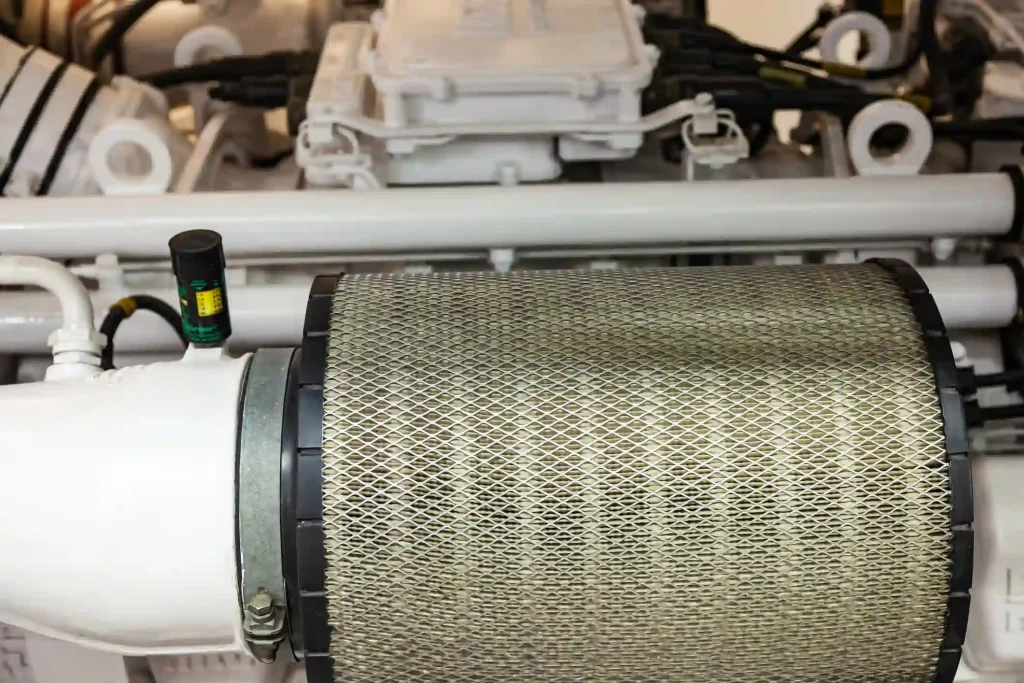
- Engine service records. A documented history of oil changes, impeller replacements, and fuel system service on a Yanmar, Volvo, Volvo Penta, Yamaha, or Mercury engine is one of the first things a surveyor and a serious buyer look for. An undocumented engine, even a well-cared-for one, is worth less simply because it cannot prove its own history.
- Rigging condition. On sailboats, standing rigging has a practical service life, and Bay conditions (UV exposure, salt air) shorten it compared to boats kept in a covered marina elsewhere. Rigging that has been inspected and maintained on schedule avoids both a safety issue and a line item that scares off buyers.
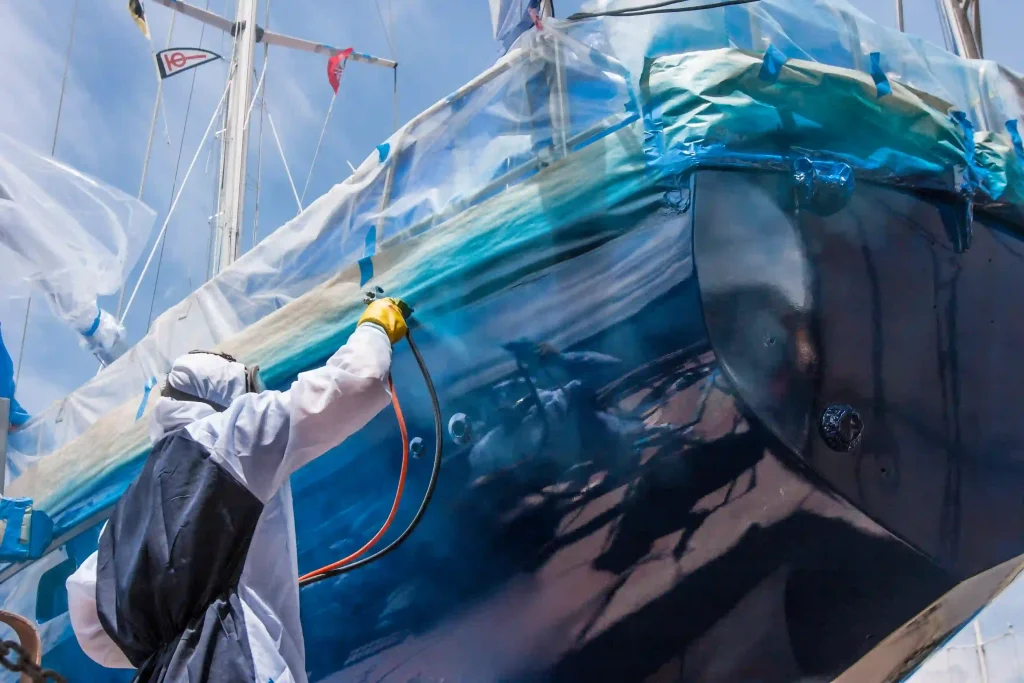
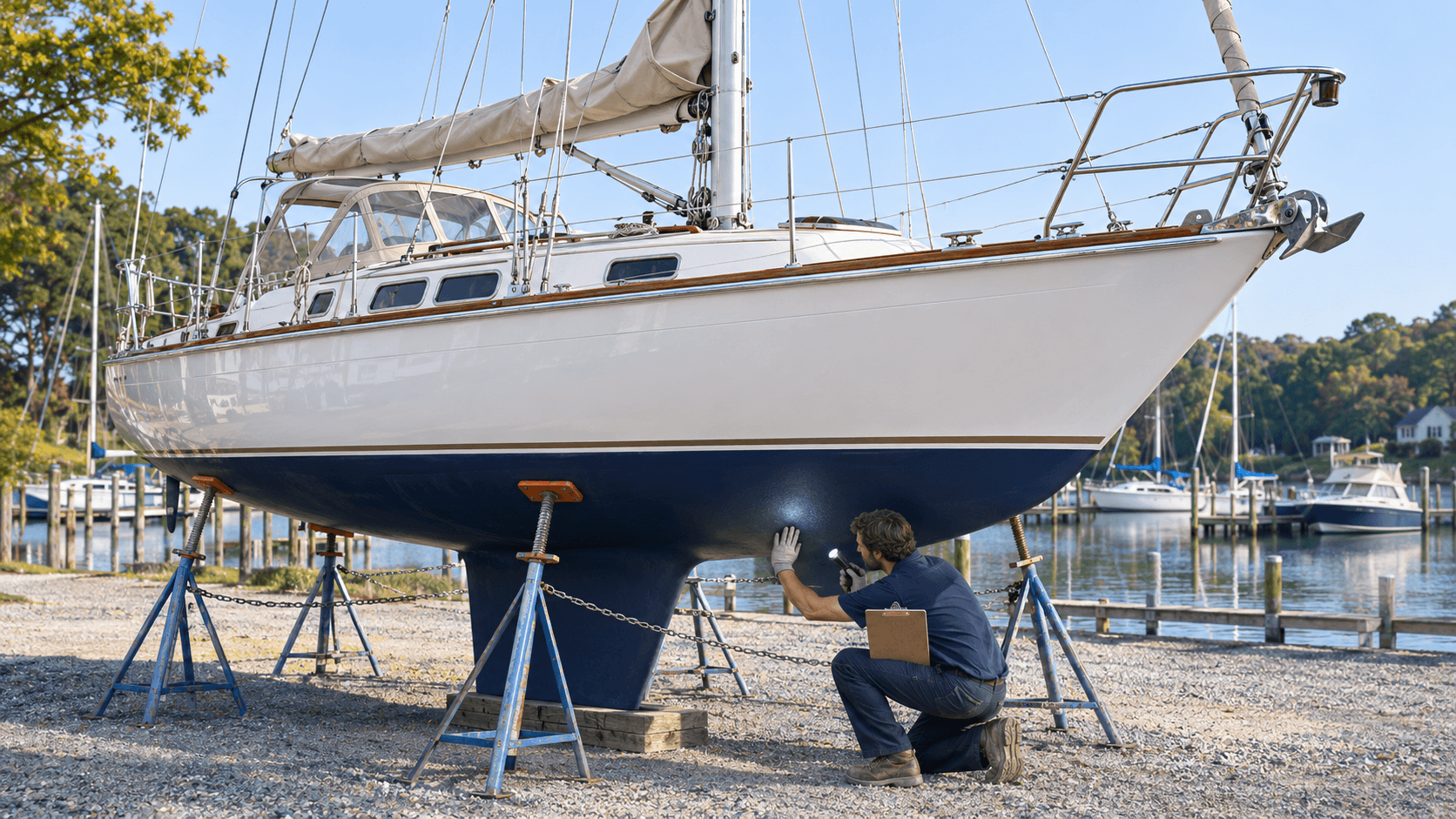
- Bottom paint and hull condition. A consistent bottom paint cycle protects the gelcoat or Awlgrip finish underneath it, and a hull that has never been neglected shows it. Letting bottom paint go too long between applications is a common, avoidable way owners lose value.
- Electronics and systems. Chartplotters, autopilots, and bilge pumps that are tested and serviced regularly, rather than discovered to be dead the day they are needed, keep a boat’s systems inventory from becoming a negative in a survey.
What a Typical Maintenance Investment Looks Like
Annual costs vary significantly by boat size, engine type, and how much of the work is done in-house versus by a yard, so there is no single number that applies to every boat. In general, owners who stay current on the categories above, rather than catching up after a problem appears, spend less over the life of the boat than owners who defer maintenance and then pay for a larger repair later.
Our service team can walk through what a realistic annual maintenance budget looks like for your specific boat.
Building a Maintenance Habit, Not a Maintenance Emergency
The owners who protect their boat’s value most effectively are not necessarily the ones who spend the most. They are the ones who treat maintenance as a standing part of boat ownership rather than something that happens in response to a problem.
For more on why that approach is less expensive over time than the alternative, see The Complete Guide to Marine Engine Care.
You can review all of our ownership and maintenance guides in the Knowledge Center.
Frequently Asked Questions
Does boat maintenance really affect resale value, or is it mostly about the boat’s age and model?
Age and model set a baseline, but documented maintenance history is what separates two similar boats in price. A boat with a clear service record, especially on the engine and rigging, consistently commands more than an identical boat with no paper trail.
What is the single maintenance category that matters most for value?
Engine service history tends to matter most, since a surveyor and most buyers treat an undocumented engine as a risk, regardless of how it actually runs.
How often should I be budgeting for maintenance versus hoping nothing breaks?
Treat maintenance as an annual, planned expense rather than a reactive one. Boats on the Bay that get consistent attention to engine, rigging, bottom paint, and systems avoid the larger, unplanned repairs that come from deferred care.
Does this apply to both sail and power boats?
Yes. The specific items differ (rigging matters for sailboats, running gear and outdrives matter more for powerboats), but the underlying principle of documented, scheduled care protecting value applies to both.
For help building a maintenance plan around your specific boat, call Norton Yachts’ service team at (804) 776-9211 or schedule service with an appointment.