
A good rule of thumb is to budget 10–15% of the boat’s purchase price per year for ongoing ownership costs — insurance, dockage or slip fees, winterization, routine maintenance, and fuel. A $50,000 boat, for example, typically costs somewhere in the range of $5,000–$7,500 a year to own and operate responsibly, not counting financing.
Every first-time buyer focuses on the purchase price, but the real budgeting question is what it costs to keep a boat running well year after year.
Key Takeaways
- Budget roughly 10–15% of purchase price annually for total ownership costs.
- The big four recurring costs: insurance, dockage/storage, maintenance, and winterization.
- Sailboats and powerboats have different cost profiles — engine maintenance dominates powerboat costs, rigging and sail care dominate sailboats.
- New boats cost less in near-term maintenance; used boats need a larger maintenance buffer up front.
What are the actual recurring costs of owning a boat?
| Cost category | What it covers | Frequency |
| Insurance | Liability, hull damage, weather events | Annual |
| Dockage/slip or storage | Marina slip, dry storage, or trailer/driveway | Monthly or seasonal |
| Winterization | Engine flush, fluids, shrink-wrap or cover | Annual (seasonal climates) |
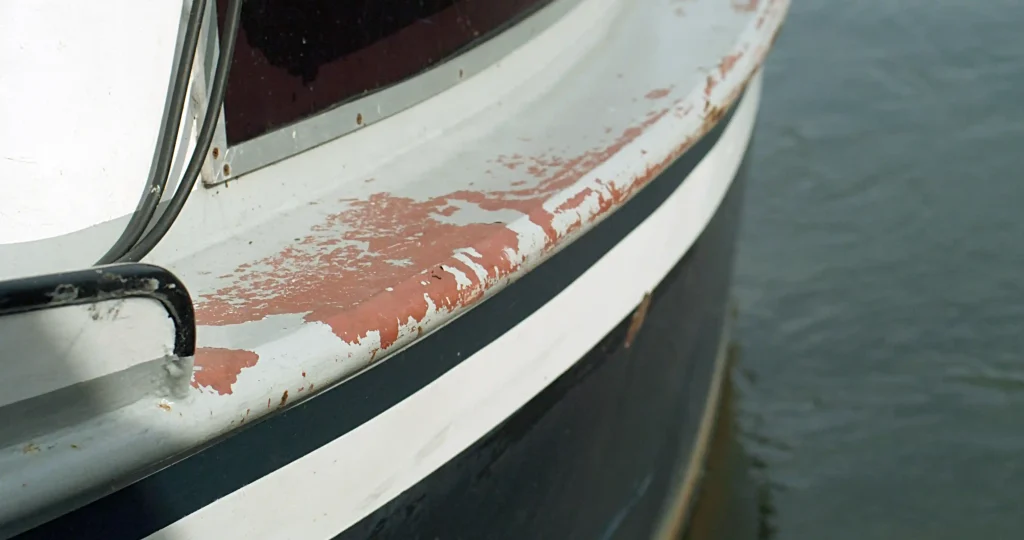
| Routine maintenance | Oil changes, hull cleaning, sail/rigging checks | Ongoing |
| Fuel | Varies heavily by engine type and usage | Per outing |
Does a sailboat or powerboat cost more to maintain?
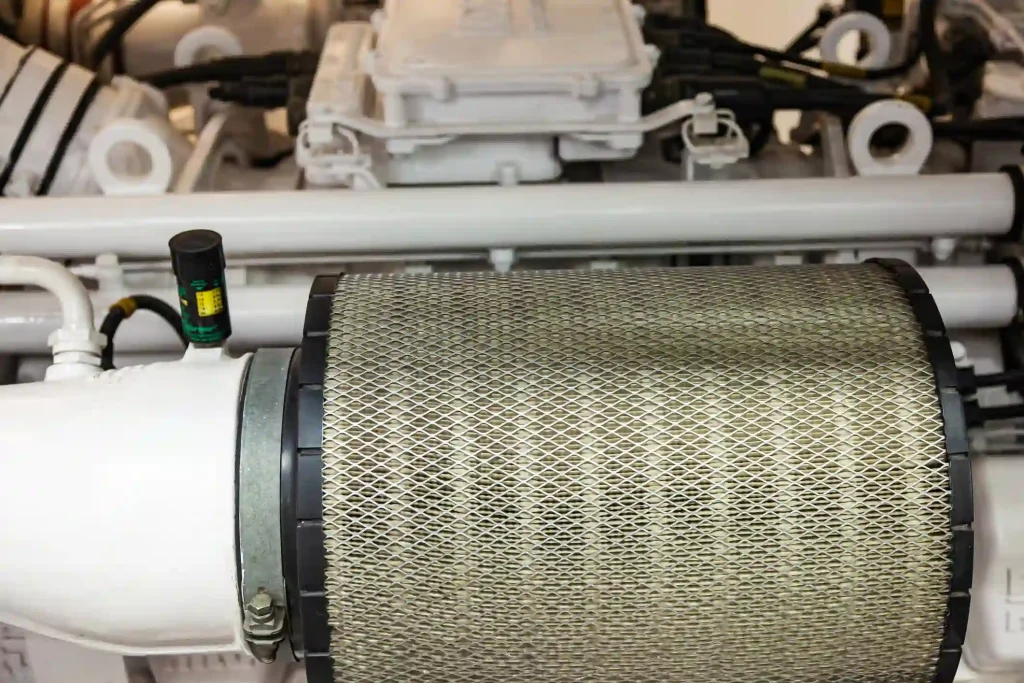
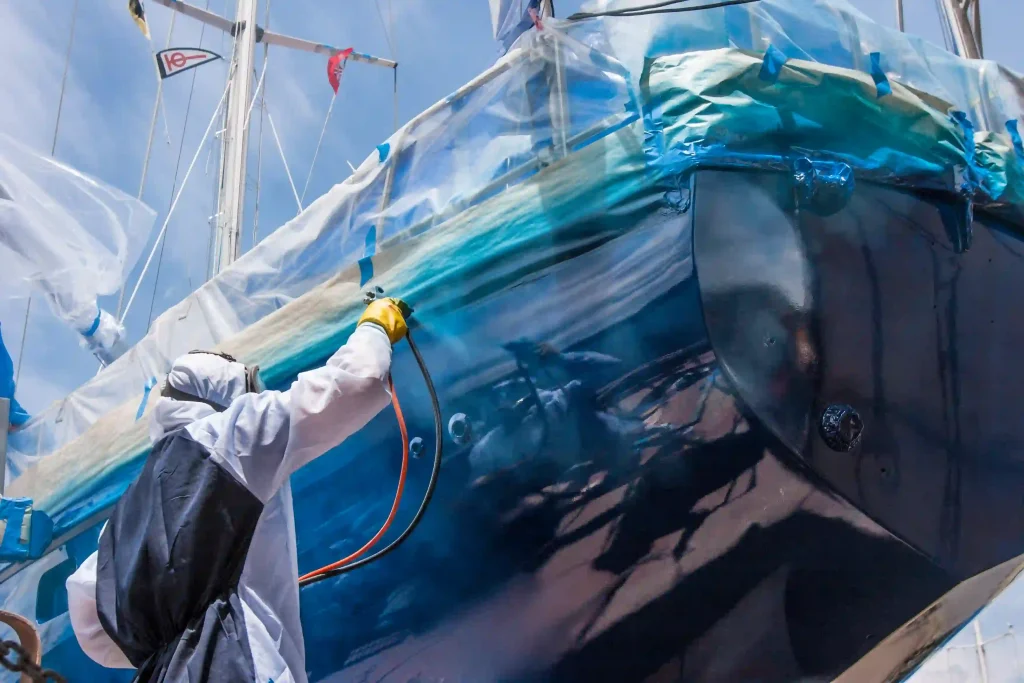
Powerboats generally carry higher recurring engine-related maintenance costs (oil changes, impellers, fuel system service), while sailboats shift more of that cost toward rigging, sail care, and haul-outs for bottom paint. Neither is categorically cheaper — the cost simply shows up in different places. If you’re still deciding between the two, our engine maintenance schedule guide breaks down engine-specific costs in detail.
Does buying new vs. used change the ownership cost picture?
Yes — a new boat typically has lower near-term maintenance costs (fewer worn components, manufacturer warranty), while a used boat needs a larger maintenance buffer built into your first-year budget for deferred wear. Our new vs. used boat guide covers the purchase-decision side of this in full.
What’s the single most underestimated cost?
Winterization and off-season storage, especially in a Chesapeake Bay climate — many first-time owners budget for the boat and the slip but forget the annual cost of properly winterizing and storing the boat through the off-season. Our DIY winterizing checklist walks through exactly what that involves.
- Bottom line
Budget 10–15% of purchase price annually, know that sailboats and powerboats shift costs to different categories, and factor in a maintenance buffer if you’re buying used. Talk to our team about ownership costs for a specific boat or browse current inventory.
FAQ
A question we often hear from first-time buyers: “Is the purchase price the biggest cost of owning a boat?” Not over time — while it’s the largest single payment, ongoing costs like insurance, dockage, maintenance, and winterization typically add up to 10–15% of the purchase price every year you own the boat.
How much should I budget annually for boat ownership? A common rule of thumb is 10–15% of the boat’s purchase price per year, covering insurance, dockage or storage, maintenance, and winterization.
Do sailboats or powerboats cost more to maintain? Neither is universally cheaper — powerboats carry more engine-related maintenance costs, while sailboats shift cost toward rigging, sails, and haul-outs.
Does buying a used boat cost more to maintain than a new one? Typically, yes in the near term — a used boat needs a larger maintenance budget for deferred wear, while a new boat benefits from lower initial maintenance needs and warranty coverage.
What ownership cost do first-time buyers most often forget to budget for? Winterization and off-season storage — it’s frequently left out of first-year budgets even though it’s an annual, unavoidable cost in a seasonal climate like the Chesapeake Bay.