The first 50 engine hours on a new boat are a genuine break-in period — vary engine RPM rather than running at a constant speed, avoid extended full-throttle runs, and schedule your first oil change at the manufacturer’s specified interval (often around 20–25 hours). This period also sets the pattern for good long-term maintenance habits.
New boat ownership starts with a specific, time-limited break-in window that meaningfully affects the engine’s long-term performance and reliability.
Key Takeaways
- Vary engine RPM during the first 20 hours rather than holding one constant speed.
- Avoid extended full-throttle operation during break-in.
- First oil change typically falls around 20–25 hours — check your specific manufacturer’s schedule.
- Use this window to learn the boat’s systems and establish a maintenance routine, not just break in the engine.
What actually happens during engine break-in?
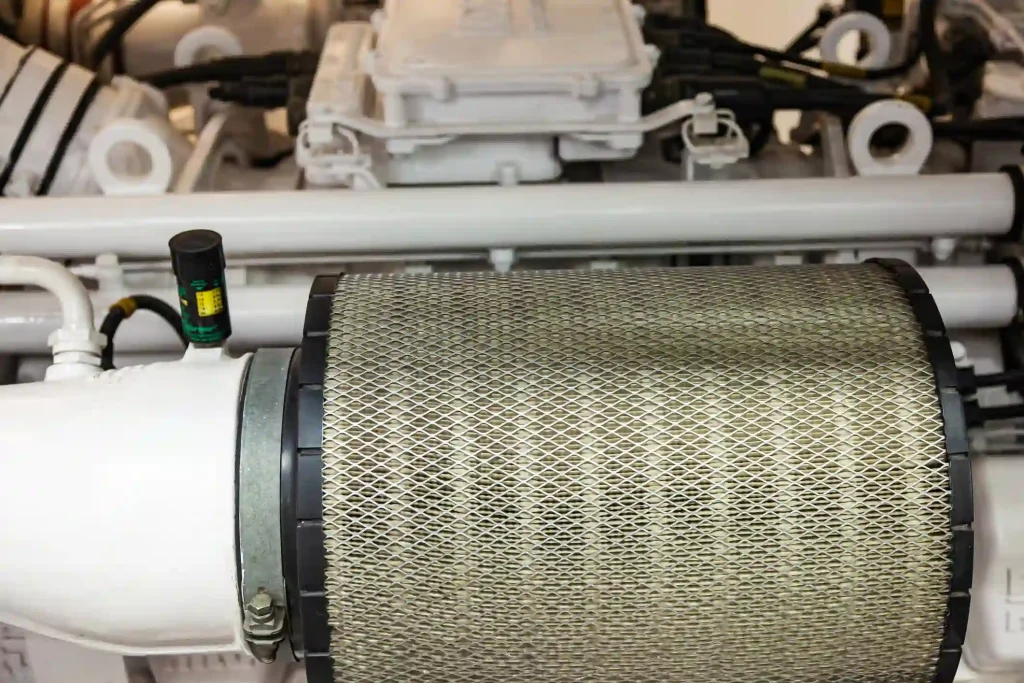
New engine components (rings, bearings, cylinder surfaces) need a period of varied-load operation to seat properly — running at one constant RPM, especially wide-open throttle, during this window can cause uneven wear that affects long-term performance. Varying your speed and load during the first 20 or so hours helps components seat correctly.
First 50 Hours Checklist
| Hour range | What to focus on |
| 0–10 | Vary RPM frequently, avoid full throttle, monitor gauges closely |
| 10–20 | Continue varied operation, note any unusual noises or vibration |
| ~20–25 | First oil change (confirm exact interval with your engine’s manual) |
| 25–50 | Normal operation begins, but stay attentive to any developing issues |
| 50 | Full manufacturer-recommended service check |
What if something feels off during break-in?
Don’t dismiss unusual vibration, noise, or gauge readings as “normal for a new boat” — our guide to boat vibration at cruising RPM covers when vibration is expected versus when it signals a real issue worth addressing early.
Does break-in matter for a used boat too?
No — break-in specifically applies to a new engine’s internal components seating for the first time; a used boat with hours already on the engine doesn’t need this process, though it’s still worth confirming maintenance history at purchase. Our buying a used sailboat guide covers what to check instead.
What else should new owners do in the first 50 hours besides the engine?
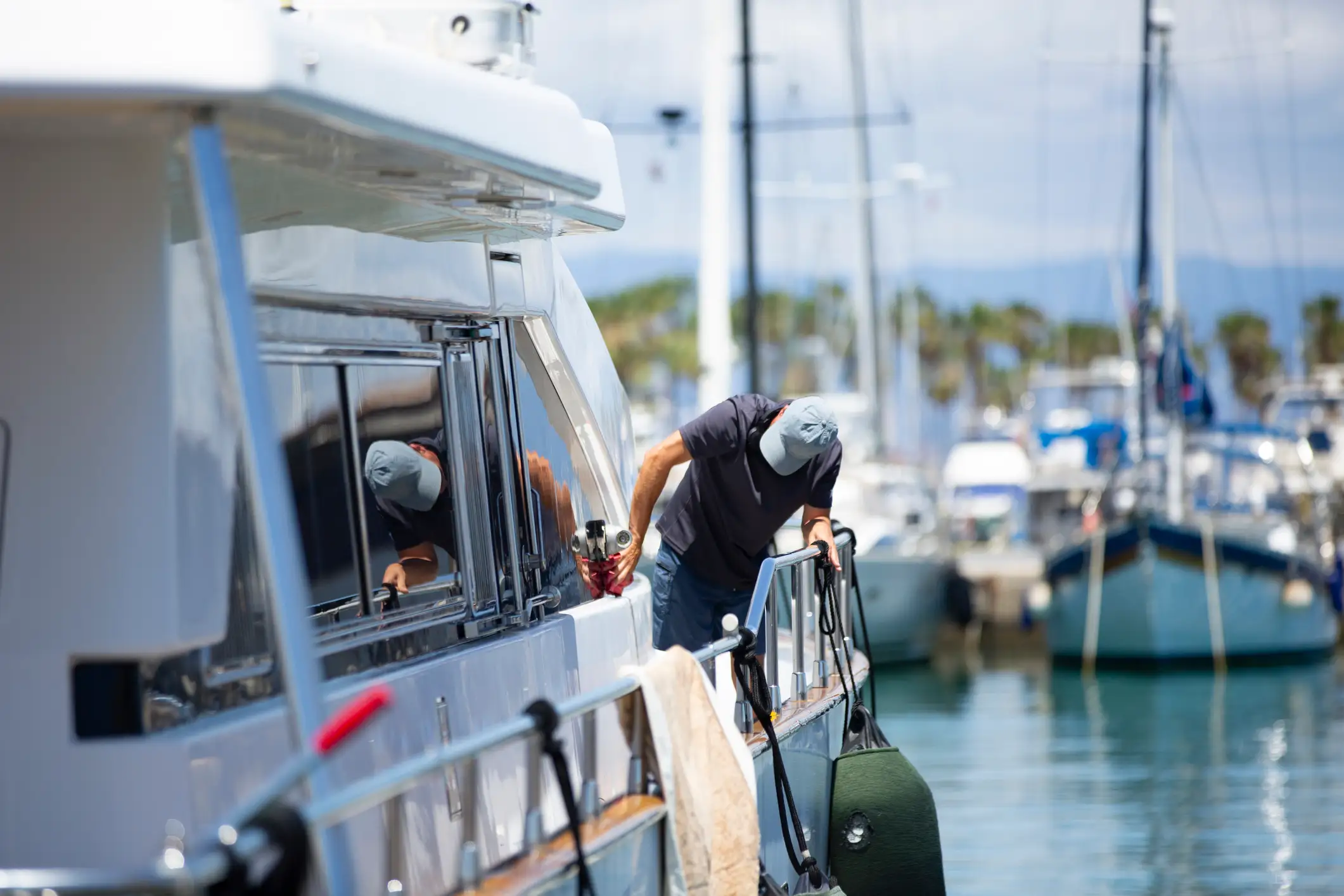
Use this window to learn where safety equipment is stored, how all onboard systems work (electronics, bilge pump, water systems), and to establish your own maintenance log — habits started in the first 50 hours tend to stick for the life of boat ownership.
Bottom line
Vary your RPM, avoid full throttle, get that first oil change on schedule, and use the window to genuinely learn your new boat — it’s a small time investment that protects a large one. Contact our service team with break-in questions specific to your engine or review our full engine maintenance schedule.
FAQ
A question we often hear from new owners: “Do I really need to worry about ‘breaking in’ a new boat engine?” Yes — the first 20 or so hours matter for how internal engine components seat, and varying your RPM rather than running at one constant speed during this window protects long-term engine performance.
How many hours is considered the break-in period for a new boat engine? Typically the first 20-25 hours, though your engine’s specific manual is the authoritative source for your exact model.
When should I get my first oil change on a new boat? Often around 20-25 hours, but always confirm the exact interval specified by your engine’s manufacturer.
Should I avoid full throttle during break-in? Yes — extended full-throttle operation during the break-in window can cause uneven wear on internal components that are still seating.
Does a used boat need an engine break-in period too? No — break-in applies specifically to a new engine’s components seating for the first time; a used boat’s engine has already completed that process.