
Why Saffier Yachts Are the Top Choice for Luxury Sailors
October 30, 2025 | Miscellaneous The world of luxury sailing is filled with prestigious names, but few carry the heritage and innovation that define Saffier Yachts. Founded in the Netherlands in 1977, this Dutch shipyard has quietly built a reputation among discerning sailors who demand both classic elegance and modern performance. While many yacht builders chase fleeting trends, Saffier has remained steadfast in its commitment to crafting vessels that embody timeless design principles while incorporating cutting-edge sailing technology. What sets Saffier apart from other luxury yacht manufacturers? The answer lies in their unique approach to boatbuilding—one that honors maritime tradition while embracing innovation. Each Saffier yacht represents decades of refinement, where every curve of the hull and every detail of the interior reflects a deep understanding of what serious sailors truly want. For sailors seeking sailboats for sale in Virginia or sailboats for sale in VA, understanding what makes Saffier special becomes crucial when making such a significant investment. These aren’t just boats; they’re floating works of art that deliver exceptional performance on the water. Whether you’re cruising the Chesapeake Bay or planning offshore adventures, a Saffier yacht offers an experience that few other manufacturers can match. Design Philosophy: Where Tradition Meets Innovation Saffier’s design philosophy centers on a fundamental belief that form and function must work in perfect harmony. This Dutch shipyard doesn’t simply build boats—they create floating sculptures that perform beautifully on the water. Their design team, led by renowned naval architects, approaches each project with a reverence for classic sailing aesthetics while incorporating the latest advances in marine technology. The signature Saffier look is instantly recognizable. Clean, flowing lines define their hulls, creating profiles that appear both powerful and graceful. These aren’t accidental design choices but deliberate decisions based on decades of experience and testing. The low-profile cabin tops and carefully proportioned superstructures create yachts that look fast even when sitting at anchor. Modern performance technology seamlessly integrates into these classic designs. Advanced hull forms optimize speed and stability, while contemporary materials enhance both durability and weight distribution. Saffier’s designers understand that today’s sailors want yachts that sail efficiently in light winds, remain stable in heavy weather, and provide comfortable living spaces below deck. The interior design philosophy mirrors the exterior approach. Rather than following current trends, Saffier creates timeless spaces that will remain elegant for decades. Premium materials, thoughtful layouts, and exceptional craftsmanship result in interiors that feel more like luxury residences than boat cabins. Craftsmanship and Materials: Building for Generations Saffier’s reputation for exceptional quality starts with their choice of materials and construction methods. Each yacht begins with premium-grade fiberglass and advanced composite materials selected for their strength, durability, and performance characteristics. The company’s commitment to quality extends to every component, from the smallest hardware to the largest structural elements. The construction process at Saffier combines traditional boatbuilding techniques with modern precision manufacturing. Experienced craftsmen hand-lay each hull, ensuring optimal fiber orientation and resin saturation. This meticulous approach results in hulls that are both lighter and stronger than those produced through mass-production methods. Interior construction receives equal attention to detail. Premium hardwoods are carefully selected and seasoned before being shaped by master craftsmen. Joinery work meets furniture-grade standards, with precisely fitted joints and smooth, durable finishes. Even areas that owners rarely see receive the same level of attention as the most visible spaces. Hardware selection reflects Saffier’s commitment to long-term durability. Marine-grade stainless steel, bronze, and aluminum components are chosen not just for their corrosion resistance but for their ability to maintain both function and appearance over decades of use. This attention to component quality means Saffier owners can focus on sailing rather than constant maintenance. Quality control measures ensure that each yacht meets Saffier’s exacting standards before delivery. Multiple inspections throughout the construction process identify and correct any issues before they can affect the finished product. This comprehensive approach to quality assurance is one reason why Saffier yachts maintain their value so well over time. Performance and Handling: Engineered for Excellence Saffier yachts are designed to excel across the full spectrum of sailing conditions. From light-air coastal cruising to challenging offshore passages, these boats deliver performance that consistently exceeds expectations. The secret lies in their advanced hull designs, which optimize efficiency while maintaining the stability and comfort that luxury sailors demand. The hull shapes incorporate sophisticated design elements that enhance performance without compromising safety. Modern underbody designs reduce drag while providing excellent directional stability. Carefully calculated beam-to-length ratios deliver impressive initial stability without excessive tenderness in stronger winds. These engineering decisions result in yachts that sail well in a wide range of conditions. Sail handling systems on Saffier yachts reflect the company’s understanding that performance and ease of use must work together. Deck layouts position winches, cleats, and control lines for maximum efficiency while maintaining clear passageways. Many models feature in-mast furling systems that allow for quick sail reduction without leaving the cockpit—a crucial safety feature for shorthanded sailing. The responsiveness of Saffier yachts impresses even experienced sailors. Balanced rudders provide excellent feedback while remaining light to the touch. The boats track well under autopilot, reducing fatigue on long passages. These characteristics make Saffier yachts equally suitable for casual day sailing and serious cruising. Accommodation of varying crew sizes is another performance consideration. Cockpit layouts provide secure seating for full crews while remaining comfortable for couples sailing alone. This versatility makes Saffier yachts ideal for owners whose sailing styles may evolve over time. Key Models: A Fleet for Every Sailing Dream Saffier’s current model lineup demonstrates their commitment to serving diverse sailing preferences while maintaining their signature standards of quality and performance. Each model represents years of development and refinement, incorporating feedback from owners and sailing professionals worldwide. Saffier SC 6.50 This compact cruiser proves that luxury doesn’t require massive size. The SC 6.50 delivers impressive interior volume despite its modest 21-foot length. Smart design maximizes every square inch, creating a surprisingly comfortable living space that can accommodate overnight cruising. The boat’s light displacement and efficient hull shape
Experience the Saffier SL 46 MED: Your Guide to High-Performing Luxury
February 20, 2026 | Miscellaneous Why the Saffier SL 46 MED is Redefining Performance Cruising The Saffier SL 46 MED represents a bold evolution in luxury performance cruising—a 46-foot flagship that blends the ease of a daysailer with the comfort of a blue-water cruiser. Built by Dutch yacht specialists Saffier Yachts, this vessel delivers single-handed capability, Mediterranean-inspired outdoor living, and serious sailing performance in one striking package. Quick Facts: Saffier SL 46 MED The MED version distinguishes itself with an open transom that transforms into a swimming platform, movable helmsman seats that convert to lounge beds, and a deck layout optimized for warm-weather cruising. All sail controls run to twin helms with electric winches and push-button systems—making this 46-footer genuinely manageable solo, even in challenging conditions. Performance is equally impressive. Test sailors consistently report 7-8 knots upwind in moderate breeze, 9-11+ knots reaching under Code Zero, and the ability to plane in 18+ knots of true wind. The lightweight vacuum-infused hull, combined with a powerful yet balanced rig, delivers the responsiveness of a much smaller boat. I’m Kendall Webre, Senior Sales Executive at Norton Yachts (804) 776-9211, and I’ve worked with discerning cruisers across the Chesapeake Bay and beyond to match them with vessels that balance performance, luxury, and real-world usability—qualities the Saffier SL 46 MED delivers in spades. Whether you’re evaluating options for extended Bay cruising or offshore passages, understanding what sets this yacht apart helps you make an informed decision. The Saffier SL 46 MED: A New Standard for the Chesapeake When we look at the sailing landscape here in Deltaville, VA, and across the wider Chesapeake Bay, we see a shift toward boats that prioritize “fun-per-mile” without sacrificing the ability to spend a week at Smith Island or St. Michaels. The Saffier SL 46 MED is the answer to that shift. It marks Saffier Yachts’ transition from being the world leader in luxury daysailers to a serious contender in the 45-foot performance cruising market. For those of us used to the “Saffier way”—clean lines, incredible ease of use, and a certain Dutch “cool”—the SL 46 feels like a natural progression. It’s essentially an XXXL daysailer that has grown into a Category A ocean-going yacht. Its design philosophy is a perfect match for the Chesapeake because we value the “outdoor living room” concept. In our humid Virginia summers, we spend 90% of our time in the cockpit, and the Saffier SL 46 MED | NORTH – Luxury sailing yacht maximizes that space better than almost any yacht in its class. Distinguishing the MED from the NORTH Version Saffier offers this flagship in two distinct flavors: the MED and the NORTH. Choosing between them depends entirely on your lifestyle and where you plan to drop the hook. Feature SL 46 MED SL 46 NORTH Aft Deck Open transom / Low deck Closed transom / Sun platform Seating Movable benches on rails Fixed seating with storage Leisure Integrated swimming platform Dinghy garage for shore access Vibe Social, open, “Beach Club” Sheltered, explorer, storage-heavy The saffier sl 46 med is all about the “Beach Club” experience. The aft deck is low and open, inviting you to jump into the water the moment the anchor is set. The helmsman seats are on tracks, meaning you can slide them together to create a massive sun lounge. As a New Saffier Yachts Dealer, we can help you weigh these configurations against your specific slip requirements in Richmond or Norfolk. Optimized for the Bay Lifestyle One of the most frequent questions we get at our Deltaville boatyard is about draft. The Chesapeake can be unforgiving, but the saffier sl 46 med offers flexibility. The standard draft is 2.20m (7ft 3in), which is manageable for most of the Bay’s main channels. Under the hood, you’ll find a reliable Yanmar 4JH57 57 HP engine. At Norton Yachts, our certified technicians handle everything from routine Yanmar service to complex saildrive diagnostics in our Deltaville shop, ensuring your propulsion is as reliable as your sail plan. With a displacement of 10,900 kg, she is light enough to be nimble in light Bay airs but substantial enough to handle a choppy afternoon on the Potomac. If you’ve looked at the 2025 Saffier Yachts SE 33 Life – Deltaville, VA, you’ll recognize that same DNA of speed and stability, just on a much grander scale. The “Outdoor Living Room”: Cockpit Innovation The heart of the saffier sl 46 med is undoubtedly its cockpit. Saffier’s designers believe the cockpit should be the most comfortable “room” on the boat, and they’ve delivered a space that can comfortably host 10 people for sundowners. High backrests and deep L-shaped benches provide a sense of security that is often missing on modern “flat” deck designs. It feels less like a workspace and more like a luxury lounge. This is where Saffier’s history as a daysailer builder shines; they know that if the cockpit isn’t comfortable, you won’t use the boat. You can learn more about this design philosophy on the official Saffier SL 46 MED | NORTH page. Ergonomics and Social Spaces on the Saffier SL 46 MED What truly sets the MED version apart is the modularity. The helmsman seats aren’t just for steering; they are furniture. By sliding the benches on their rails, you can transform the entire aft section of the boat from a high-performance command center into a massive sun pad. Furthermore, the “clean deck” concept is taken to the extreme. All lines are led under the deck to the helm stations. There are no stray ropes to trip over, and even the fenders have dedicated storage lockers in the coamings. This level of organization makes the boat feel twice as large. It’s the same “push-button” ease we see in the 2025 Saffier Yachts SE 27 Leisure – Deltaville, VA, but scaled up for a 46-foot hull. Performance and Single-Handed Mastery Don’t let the luxury fool you; the saffier sl 46 med is a thoroughbred. During sea trials in the North Sea—conditions often much more grueling than a typical day on the Chesapeake—the SL 46 clocked 11.4 knots on a reach and maintained a steady
Sail Away: Exploring Jeanneau’s Newest Sailboat Offerings
February 4, 2026 | Miscellaneous Why New Jeanneau Sailboats Continue to Lead the Cruising Market New Jeanneau sailboats represent over 60 years of French boatbuilding excellence, with more than 250,000 boats delivered worldwide. Whether you’re seeking a versatile family cruiser, a refined luxury yacht, or a performance racer, Jeanneau’s 2025 lineup offers proven designs that balance seaworthiness, comfort, and value. Current Jeanneau sailboat lines available through Norton Yachts: Key innovations in the latest models: As Kendall Webre, Senior Sales Executive at Norton Yachts, I’ve guided countless clients through selecting and purchasing new Jeanneau sailboats that match their cruising goals and lifestyle needs. Our team’s deep expertise with the Jeanneau brand ensures you’ll find the right vessel, properly equipped, with full support from configuration through delivery and beyond. A New Vision of Life Onboard: The Latest Jeanneau Sailboat Lines At Norton Yachts, we understand that finding the perfect sailboat is about more than just specifications; it’s about finding a vessel that embodies your cruising dreams. Jeanneau, with its rich heritage spanning over six decades, has consistently delivered boats that inspire confidence and joy on the water. Their philosophy is simple yet profound: design boats for “every way you can love the sea,” emphasizing authentic experiences and pure happiness. This commitment is evident across their distinct sailboat ranges, each carefully crafted to cater to different sailing aspirations. The beauty of Jeanneau’s approach lies in its ability to combine superior functionality and innovation with proven designs. They integrate smart features with a down-to-earth approach, prioritizing outstanding performance, safety, and cruising comfort. This balance ensures that whether you’re a seasoned sailor or starting on your first voyage, your Jeanneau will be a partner in adventure, fostering a family spirit and a passion for exploration. We at Norton Yachts pride ourselves on connecting our clients in Deltaville, Norfolk, Richmond, and across the Chesapeake Bay, with the Jeanneau that perfectly aligns with their vision. Spotlight on Innovation: The All-New Sun Odyssey 350 and 415 Jeanneau’s commitment to continuous innovation is brilliantly showcased in its latest additions to the Sun Odyssey range: the Sun Odyssey 350 and 415. These new Jeanneau sailboats demonstrate the brand’s dedication to evolving the sailing experience, integrating intelligent design with improved performance to make every moment on the water more enjoyable. From clever deck layouts to optimized interiors, these models are setting new benchmarks in their respective classes. The Sun Odyssey 415: Performance and Versatility Redefined The Sun Odyssey 415 is a standout among new Jeanneau sailboats, offering a truly fresh perspective on onboard comfort and sailing prowess. We believe this model embodies the perfect balance between performance, comfort, and accessibility, making it an essential reference for sailors seeking a premium sailboat with exceptional value. Key Design Features and Innovations: The Sun Odyssey 415 boasts a powerful and neat hull design, directly inheriting the acclaimed inverted bow and continuous hull chine from its predecessor, the Sun Odyssey 410. This design isn’t just for aesthetics; it significantly improves handling and performance, allowing the boat to cut through the water with ease. For confident cruising, especially in varying conditions, she features twin rudders with self-aligning bearings, ensuring smooth handling and precise control. This design choice contributes to the boat’s excellent tracking ability, a characteristic many experienced sailors value. Interior Design and Comfort: Step below deck, and you’ll find a new vision of comfort. The interior layout is thoughtfully optimized for functionality and spaciousness, featuring a standing headroom of over 1.85 meters throughout. This generous height, combined with ample natural light from large hull windows, creates a surprisingly open and inviting atmosphere. The L-shaped galley, conveniently located to port at the base of the companionway, is perfect for easy access to the cockpit and offers smart storage solutions. The generously sized saloon comfortably seats five, while a forward-facing chart table for two brings together all key systems in one intuitive space, complete with storage and a built-in bookshelf. Every inch of the Sun Odyssey 415 is optimized for comfort, connection, and time well spent aboard, promising unforgettable shared moments. Performance Characteristics and Customization: The Sun Odyssey 415 is designed for versatility. A lighter overall weight and increased sail area translate to better responsiveness and genuine performance under sail. She offers significant customization with four possible sail plans and three possible keels, including an innovative swing keel option. This adaptability allows us to tailor the boat to your specific sailing grounds and preferences, whether you’re navigating shallow waters in the Chesapeake Bay or starting on deeper coastal adventures. Pricing and Availability: Jeanneau has introduced the Sun Odyssey 415 with an attractive introductory price of €219,000 excluding VAT (this offer is for a limited time and valid for boats delivered before June 30, 2026). As your authorized Jeanneau dealer, Norton Yachts can provide you with precise pricing, including any applicable import duties and tariffs, and guide you through the configuration process to ensure your new 415 is perfectly equipped. We can also discuss delivery timelines to our locations in Virginia and beyond. For more details on this exceptional vessel, we encourage you to visit the official Sun Odyssey 415 | Jeanneau Boats page or explore our overview of the Jeanneau Sun Odyssey 410 Overview, which shares some of its design DNA. The Sun Odyssey 350: A Compact Cruiser with a Big Heart Following in the successful footsteps of the Sun Odyssey 349, which sold nearly 1,000 hulls, the Sun Odyssey 350 emerges as an impressive compact cruiser. This new Jeanneau sailboat is an engineering marvel, designed to feel much larger than its 34 feet, packing features and sailing capabilities typically found on bigger yachts. It’s a high-performance, easy-to-handle cruising sailboat featuring clever innovations for the comfort of all on board and the sheer pleasure of sailing. Key Design Features and Innovations: The Sun Odyssey 350 introduces an all-new hull with a contemporary silhouette and a bow that stands clear of the waterline. This design not only improves its sporty appearance but also improves handling, particularly in light wind conditions and during docking maneuvers. One of its most praised innovations is the inclusion of walkaround sidedecks,
Used Sailboats for Sale in VA: Explore Top Listings
February 25, 2026 | Miscellaneous Why Chesapeake Bay is Virginia’s Premier Sailboat Market Used sailboats for sale Virginia offer some of the best value and selection on the East Coast, thanks to the Chesapeake Bay’s thriving marine community and year-round accessibility. Whether you’re seeking a classic cruiser like a Catalina 30 or a performance-oriented Jeanneau, the Virginia market—particularly around Deltaville—provides access to diverse inventory, experienced brokers, and full-service boatyards. Quick Answer: Where to Find Used Sailboats in Virginia The Chesapeake Bay’s brackish waters, protected anchorages, and mild climate create ideal conditions for sailboat ownership. But buying a used sailboat here requires local knowledge—from understanding bottom paint needs to recognizing signs of freshwater damage or Chesapeake-specific wear patterns. I’m Kendall Webre, Senior Sales Executive at Norton Yachts in Deltaville, where we’ve helped Bay sailors find and maintain the right used sailboats for sale Virginia since 1948. Our team knows every hull in our brokerage inventory, the local survey requirements, and exactly what to look for when evaluating a used vessel in these waters. Give our team a call at (804) 776-9211 to get started. Where to Find Used Sailboats for Sale in Virginia The Chesapeake Bay isn’t just a picturesque cruising ground; it’s a vibrant hub for marine commerce and a premier sailing region. For anyone looking for used sailboats for sale Virginia, the Bay offers a unique ecosystem of dealers, brokers, and private sellers. Deltaville, in particular, stands out as a central hub for sailboats, thanks to its strategic location, deep-water access, and concentration of marine businesses like ours. The advantages of buying a used sailboat in Virginia are numerous. We benefit from a robust marine infrastructure, including countless marinas, repair facilities, and skilled technicians. This means that whether you’re looking for a simple day sailor or a blue-water cruiser, you’ll find the support services you need readily available. The Chesapeake Bay also offers year-round sailing opportunities, albeit with seasonal variations, which keeps the market active and diverse. Plus, with a long history of boating, Virginia has a wealth of expert service providers who understand the specific needs of vessels in these waters. When you’re ready to start your search, you’ll find used sailboats for sale Virginia listed through several channels: Choosing a local Virginia-based broker or dealer, especially one with deep roots in the Chesapeake Bay like Norton Yachts, provides an invaluable advantage. We can guide you through the local market nuances, recommend trusted surveyors, and even help you find a slip for your new vessel. Don’t hesitate to start exploring; your next adventure might be just a click away. Browse Used Sailboats in Virginia. Popular Sailboat Brands and Price Ranges in the Virginia Market When you’re looking for used sailboats for sale Virginia, you’ll quickly notice a few brands that consistently appear in our local market. The Chesapeake Bay is home to a diverse fleet, but certain manufacturers have earned their stripes here for their suitability to our unique conditions and sailing styles. Common Brands and Models You’ll Encounter In Virginia, especially around the Deltaville area, we see a strong presence of well-regarded cruising sailboat brands. These typically offer a good balance of comfort, performance, and reliability, making them ideal for exploring the Bay’s many anchorages or venturing offshore. The prevalence of cruising sailboats in Virginia reflects the nature of Chesapeake Bay sailing—focused on comfortable passages, weekend getaways, and exploring the Bay’s many tributaries. Understanding Price Ranges for Used Sailboats in Virginia The price of a used sailboat for sale Virginia can vary dramatically, influenced by several key factors: size, age, condition, and the installed equipment and electronics. Our inventory at Norton Yachts, for example, has shown prices from as low as $2,999 for a vintage 1980 Yacht S2 cruiser to $390,000 for a modern 2023 Jeanneau Sun Odyssey 410. Online listings on other platforms show an even wider range, from $400 for a 1970 AMF Sunfish up to $1,200,000 for a high-end Goetz Custom Carbon Fiber Sloop. Here’s a general idea of typical price ranges you might encounter: Length (LOA) Typical Price Range (USD) Common Brands/Models 25-30 ft $5,000 – $40,000 Catalina 28, Hunter 30, Pearson 27, Cape Dory 30C 31-40 ft $30,000 – $150,000 Beneteau 311, Jeanneau Sun Odyssey 34.2, Morgan 32, Island Packet 35 40 ft+ $80,000 – $500,000+ Jeanneau Sun Odyssey 410/54 DS, Beneteau First 45F5, Alden 44, Tayana 55 Note: These are general ranges and can fluctuate significantly based on the boat’s specific condition, upgrades, and market demand. Newer boats, especially those from the last decade, will command higher prices, reflecting modern construction, updated systems, and less wear and tear. Older boats, particularly those from the 1970s and 80s, can be very affordable but may require more significant investment in refits and maintenance. If you’re weighing the tradeoff between a newer used boat and a brand-new build with the latest systems, it can help to look at both sides of the market. For those interested in seeing the latest innovations, we invite you to Explore New Models from Jeanneau and Saffier. Key Factors to Inspect Before Buying a Used Sailboat in Virginia Buying a used sailboat for sale Virginia is an exciting prospect, but it’s also a significant investment. As seasoned Chesapeake Bay marine authorities, we can’t stress enough the importance of a thorough pre-purchase survey. While many aspects of a sailboat inspection are universal, our local waters present specific considerations that can impact a boat’s condition and maintenance needs. The Chesapeake Bay, with its brackish water, can be a mixed blessing. It’s less corrosive than pure saltwater, which can be kinder to some components, but it also means a higher concentration of marine growth. This directly influences the need for regular seasonal haul-outs and proper bottom paint application. Understanding these local nuances is critical. A professional survey will provide an unbiased assessment of the vessel’s condition, identify potential issues, and give you leverage in negotiations. At Norton Yachts, we pride ourselves on transparency and encourage all our buyers to engage qualified surveyors who understand Chesapeake Bay conditions. Before you even step on board, it’s a good idea to familiarize
DIY Boat Maintenance vs. Professional Service: Which Is Right for You?
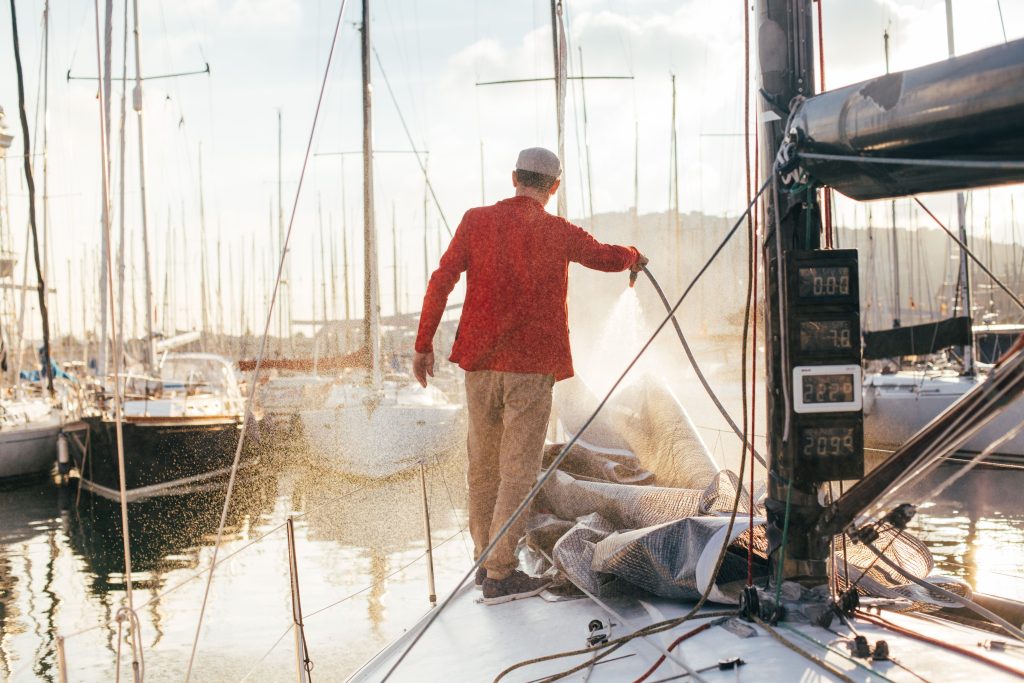
November 3, 2025 | Miscellaneous Every boat owner faces the same fundamental question: Should I maintain my vessel myself or entrust it to professional services? This decision extends far beyond simple cost considerations, touching on safety, time management, skill development, and long-term vessel performance. Boat ownership brings immense rewards—the freedom of open water, peaceful weekends anchored in secluded coves, and the satisfaction of mastering seamanship skills. However, these rewards come with responsibilities that demand careful attention to maintenance and care. The choice between DIY maintenance and professional services isn’t always binary. Many successful boat owners develop hybrid approaches, handling routine tasks themselves while relying on experts for complex systems and critical safety components. Understanding when to tackle projects yourself and when to seek professional help forms the foundation of smart boat ownership. Whether you’re considering sailboats for sale in Virginia or already own a vessel, developing a maintenance strategy that matches your skills, schedule, and budget ensures years of trouble-free boating. This comprehensive guide examines both approaches, helping you make informed decisions about caring for your investment. Understanding DIY Boat Maintenance Do-it-yourself boat maintenance appeals to owners who enjoy hands-on projects and want deeper understanding of their vessel’s systems. This approach offers several compelling advantages while requiring honest assessment of your capabilities and available time. Benefits of DIY Maintenance Cost Savings and Budget Control DIY maintenance eliminates labor costs that often represent 60-70% of professional service bills. Simple tasks like oil changes, which might cost $200-300 at a marina, require only $50-75 in materials when performed yourself. Over a season, these savings accumulate significantly. You control the quality and timing of parts purchases, often finding better deals through online suppliers or marine discount retailers. This flexibility allows strategic purchasing during off-season sales or bulk buying for multiple maintenance tasks. Personal Satisfaction and Knowledge Building Successfully completing maintenance projects builds confidence and creates deeper connections with your boat. Understanding how systems work, what normal operation sounds and feels like, and recognizing early warning signs of potential problems makes you a more capable skipper. This knowledge proves invaluable during emergencies or when troubleshooting issues in remote locations. Boat owners who understand their vessels’ systems make better decisions about repairs, upgrades, and operational limits. Scheduling Flexibility DIY maintenance happens on your timeline rather than waiting for service appointments during busy seasons. You can address issues immediately rather than potentially missing weekends on the water due to scheduling constraints. Common DIY Maintenance Tasks Hull Cleaning and Bottom Maintenance Regular hull cleaning represents one of the most straightforward DIY projects. Removing marine growth, applying antifouling paint, and maintaining through-hull fittings requires basic tools and moderate physical effort but saves hundreds annually. Bottom painting, while physically demanding, follows straightforward procedures that most boat owners can master. Quality preparation and proper paint application techniques ensure professional-level results at fraction of the cost. Engine Oil Changes and Basic Service Marine engine oil changes require more frequent intervals than automotive engines but follow similar procedures. Understanding your engine’s specific requirements, including oil types, filter locations, and disposal procedures, makes this routine maintenance manageable. Basic engine service includes checking belts, hoses, fluid levels, and electrical connections. These inspections often reveal minor issues before they become expensive problems. Electrical System Maintenance Basic electrical maintenance includes cleaning battery terminals, checking connections, and testing systems operation. While complex troubleshooting requires expertise, routine maintenance keeps systems reliable and extends component life. Rigging Inspections and Adjustments Sailboat owners can perform visual rigging inspections, checking for worn spots, loose fittings, or damaged components. Basic adjustments like tensioning standing rigging or lubricating moving parts fall within most owners’ capabilities. Essential Tools and Equipment for DIY Projects Comprehensive Tool Kits Successful DIY maintenance requires quality tools appropriate for marine environments. Stainless steel and corrosion-resistant tools prevent rust and ensure reliable operation in harsh conditions. Basic tool requirements include metric and standard wrenches, screwdrivers, electrical multimeter, oil change equipment, and safety gear. Investing in quality tools pays dividends through years of reliable service. Marine-Specific Equipment Certain tasks require specialized marine tools like impeller pullers, prop pullers, and rigging tools. While these represent initial investments, they’re essential for specific maintenance tasks and often pay for themselves quickly. Environmentally Responsible Supplies Choose biodegradable cleaners, non-toxic hull paints, and environmentally friendly maintenance products. Responsible boating includes protecting the waters we enjoy through conscious product choices. When to Hire Professional Boat Services Professional marine services bring expertise, specialized equipment, and warranties that DIY approaches cannot match. Recognizing when professional help is necessary protects your investment and ensures safe operation. Benefits of Professional Services Expert Knowledge and Experience Professional technicians receive factory training, understand complex systems interactions, and stay current with technical bulletins and recalls. Their experience diagnosing problems quickly often saves money compared to DIY trial-and-error approaches. Certified technicians recognize subtle symptoms that inexperienced owners might miss. Early detection of potential problems prevents minor issues from becoming major expenses. Time Savings and Convenience Professional services free your time for enjoying your boat rather than working on it. During prime boating season, this time savings becomes particularly valuable for owners with limited recreational time. Many service providers offer pickup and delivery services, winter storage coordination, and seasonal preparation packages that simplify boat ownership logistics. Warranty Protection and Liability Coverage Professional services typically provide warranties on parts and labor, protecting you from unexpected costs if problems recur. Established service providers carry insurance covering potential damage during service work. Using certified technicians for warranty-covered repairs ensures manufacturer obligations remain valid. DIY work on warranty-covered components may void coverage and create expensive consequences. Complex Tasks Requiring Professional Expertise Engine Overhauls and Major Repairs Engine rebuilds, transmission service, and cooling system overhauls require specialized knowledge, expensive tools, and precision assembly techniques. Professional expertise ensures these critical systems operate safely and reliably. Modern marine engines incorporate sophisticated electronics, precise fuel injection systems, and emissions controls that demand professional-level diagnostic equipment and training. Electrical System Troubleshooting While basic electrical maintenance suits DIY approaches, complex troubleshooting requires professional expertise. Modern boats incorporate sophisticated systems
From Ding to Dazzling: Mastering Fiberglass Boat Repair
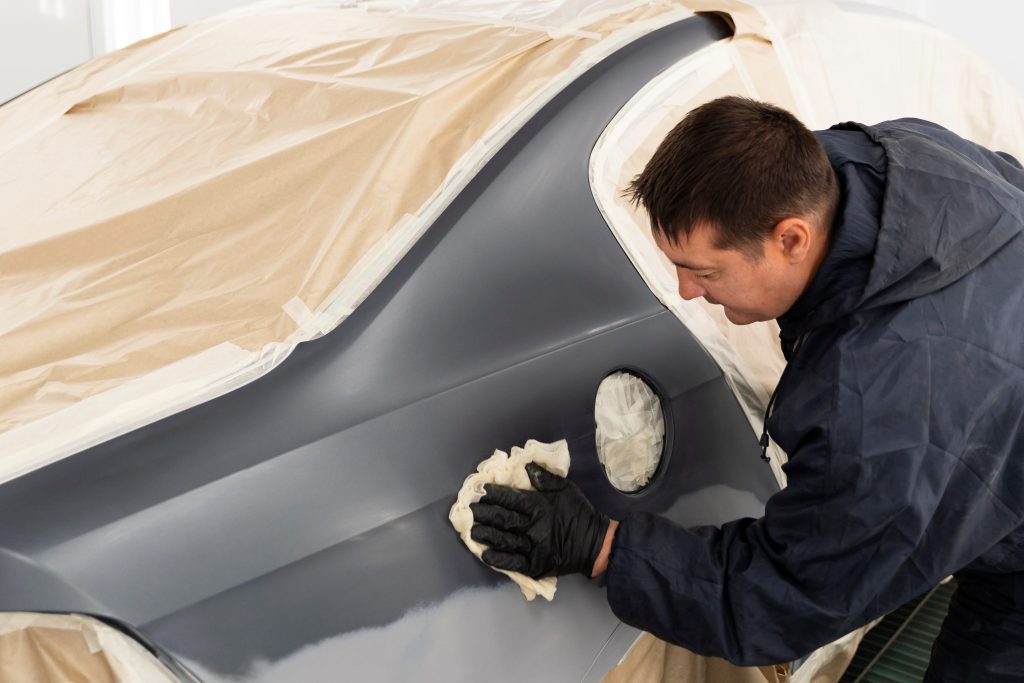
March 6, 2026 | Miscellaneous Why Every Chesapeake Bay Boat Owner Should Know Fiberglass Repair Basics Fiberglass boat repair is a fundamental skill for maintaining your vessel’s structural integrity and protecting your investment. Whether you’re dealing with minor gelcoat scratches or more serious hull damage, understanding the repair process helps you make informed decisions about DIY fixes versus professional restoration. For expert support, call (804) 776-9211. Quick Reference: When to DIY vs. When to Call a Pro Damage Type DIY-Friendly Professional Recommended Surface gelcoat scratches ✓ Spider cracks (cosmetic only) ✓ Small punctures (<1 inch) ✓ Osmotic blisters ✓ Structural cracks ✓ Delaminated stringers/bulkheads ✓ Hull breaches ✓ Over 80% of recreational boats today are built with fiberglass composite construction, making it the dominant material in marine manufacturing. That popularity doesn’t mean these hulls are indestructible—far from it. The brackish waters of the Chesapeake Bay create unique challenges for fiberglass vessels, from osmotic blistering below the waterline to UV-induced gelcoat crazing above. Understanding the basics of fiberglass repair helps you: The good news? Many common fiberglass repairs are well within reach of handy boat owners. Small cracks, minor abrasions, and surface-level damage can often be fixed with the right materials and techniques. More complex repairs—like widespread delamination, wet cores, or damage affecting structural members—require professional expertise and specialized equipment. At Norton Yachts’ Deltaville facility, we’ve repaired everything from minor gelcoat chips on weekend cruisers to complete hull restorations on classic Chesapeake Bay deadrise workboats. The techniques remain consistent whether you’re patching a small ding or preparing a hull for professional Awlgrip refinishing. This guide walks you through the complete fiberglass repair process, from identifying different types of damage to executing professional-grade repairs. We’ll cover surface preparation, proper resin application, structural patching techniques, and finishing methods that restore both strength and appearance. I’m Kendall Webre, and through my work at Norton Yachts, I’ve overseen countless fiberglass boat repair projects ranging from minor cosmetic fixes to complex structural restorations on vessels throughout the Chesapeake Bay region. This hands-on experience with diverse hull types and damage scenarios informs the practical, regionally-specific guidance you’ll find throughout this article. Understanding Common Fiberglass Damage in the Chesapeake Even the most carefully maintained vessels can suffer damage. In the Chesapeake Bay, our unique environment—from seasonal temperature fluctuations to the brackish water—can accelerate certain types of wear and tear on fiberglass hulls. Understanding these common issues is the first step in effective fiberglass boat repair. Here are the most frequent types of fiberglass boat damage we encounter: The key to successful fiberglass boat repair is accurate damage assessment. A small surface crack might just need a gelcoat touch-up, but a crack accompanied by delamination could indicate a serious structural problem requiring professional intervention. Essential Tools and Safety Precautions Before you even think about mixing resin, you need to gather your tools and, more importantly, prioritize safety. Working with fiberglass and resins involves chemicals and fine dust, so proper precautions are non-negotiable. Essential Tools and Materials: DIY fiberglass boat repair kits, like the West System Fiberglass Boat Repair Kit, typically range from $50 to $100, offering a cost-effective solution for smaller damages. These kits often contain everything you need for basic repairs, such as eight packets of WEST SYSTEM 105 Resin and 205 Hardener, fiberglass fabric, adhesive filler, fairing filler, glue brushes, mixing pots, a mixing stick, an application syringe, and three pairs of protective gloves. Crucial Safety Precautions: Working with fiberglass and resins is “nasty nasty stuff,” as one seasoned DIYer put it. It generates fine dust and involves chemicals that can irritate skin, eyes, and lungs. Step-by-Step Guide to Structural Fiberglass boat repair Whether you’re patching a small hole or tackling a larger crack, the fundamental principles of fiberglass boat repair remain the same. Our team at Norton Yachts applies these same meticulous steps whether we’re working on a Saffier Daysailer or a Jeanneau Yacht. 1. Damage Assessment: Begin by thoroughly examining the damage. Use the coin tap test to identify any hidden delamination. Determine if the damage is cosmetic (gelcoat only) or structural (into the laminate layers). For structural repairs, we often recommend epoxy resin due to its superior strength and adhesion compared to polyester. TABLE: Comparing Epoxy vs. Polyester Resin Properties Property Epoxy Resin Polyester Resin Shrinkage Low (less than 1%) High (5-8%) Adhesion Excellent to various materials (stronger) Good to fiberglass, weaker secondary bonds Moisture Barrier Superior, good for below waterline Moderate, prone to osmosis Flexibility More flexible, less brittle More brittle, less impact resistant Working Time Generally longer, adjustable Shorter, less adjustable Cost Higher Lower Odor Low Strong Application Structural, general repair, encapsulating Cosmetic, non-structural, original boat building Preparing the Surface for Fiberglass boat repair Proper surface preparation is paramount for a strong, lasting fiberglass boat repair. This isn’t just about making it look good; it’s about ensuring the new material bonds seamlessly with the old. Best Practices for Fiberglass boat repair and Finishing Once the surface is prepped, it’s time to apply the fiberglass and resin. This is where precision and patience pay off. Professional Finishing: Gelcoat and Fairing Once the structural fiberglass boat repair is complete and the area is properly faired, the final cosmetic steps of gelcoat application and polishing transform a raw patch into a seamless part of your boat. This is where the repair truly goes “from ding to dazzling.” A beautifully finished repair is a testament to careful work. Whether you’re preparing for a season on the Chesapeake or putting your boat into Winter Boat Service, a smooth, durable finish protects your investment. Frequently Asked Questions about Fiberglass Repair Can I use epoxy over polyester resin? Yes, you absolutely can use epoxy over cured polyester resin. In fact, for many structural fiberglass boat repair applications, we prefer it. Epoxy forms a superior bond to polyester and has much lower shrinkage, creating a stronger, more durable repair. However, you generally cannot use polyester resin over epoxy, as polyester typically won’t bond well to epoxy. Always ensure the polyester is fully cured, clean, and properly sanded before applying epoxy.
Set Sail for Less: Discovering Your Dream Affordable Yacht
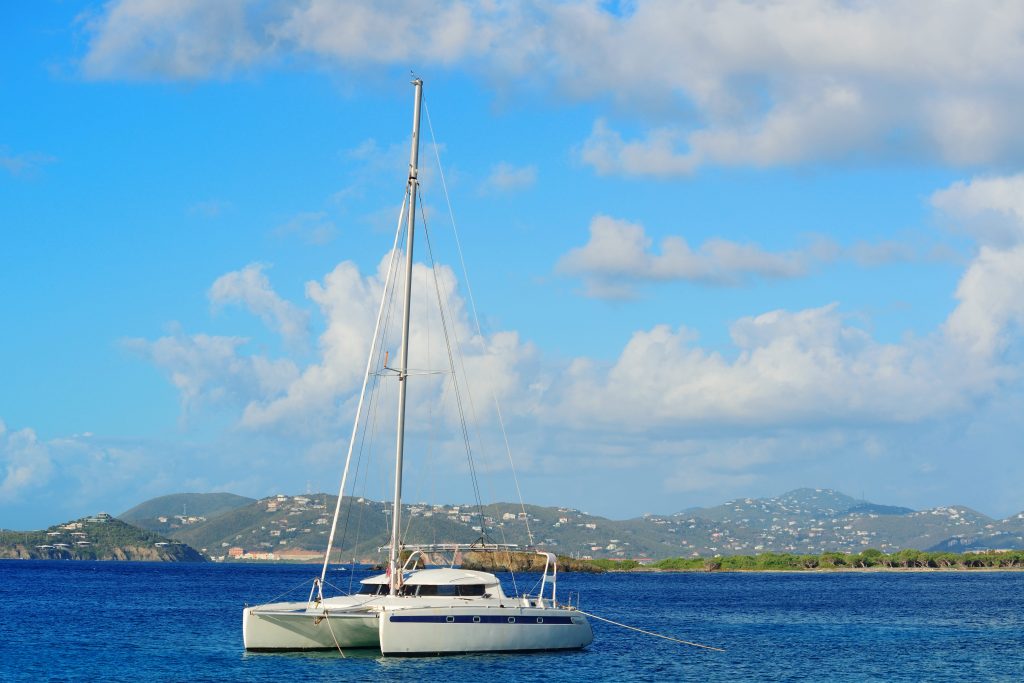
February 5, 2026 | Miscellaneous Why Affordable Sailing Yachts Are Within Reach Affordable sailing yachts aren’t just a dream—they’re a tangible reality for those who know where to look and what to prioritize. Whether you’re eyeing a classic full-keel cruiser under $50,000 or a modern production boat in the used market, smart choices can put you on the water without breaking the bank. Quick Guide to Finding Affordable Sailing Yachts: The sailboat market offers surprising opportunities. While new production cruisers can easily exceed $200,000, the used market is rich with capable, well-built vessels that have already weathered their heaviest depreciation. Many classic designs from the 1970s and 1980s were built to higher standards than some modern production boats, featuring thicker hulls, stronger rigging, and simpler systems that are easier to maintain. But affordability isn’t just about the sticker price. The real cost of yacht ownership includes insurance, mooring or slip fees, annual maintenance, and the occasional refit or upgrade. A $40,000 boat that needs $20,000 in immediate work isn’t truly affordable—it’s a project. Understanding the total cost of ownership is critical to making a sound decision. The key is knowing what to look for. A seaworthy yacht doesn’t need to be new or expensive. It needs solid construction, proven design, manageable systems, and a documented maintenance history. Whether you’re drawn to the heavy-displacement classics that launched the cruising boom or the modern production models with twin rudders and wide beams, there’s a path to ownership that fits your budget and sailing ambitions. I’m Kendall Webre, Senior Sales Executive at Norton Yachts, where I’ve spent years helping clients steer the yacht market to find vessels that match their performance, lifestyle, and budget goals, including a wide range of affordable sailing yachts. My role is to ensure you understand not just the purchase price, but the complete ownership picture—so you can make an informed, confident decision. What to Look For: Key Traits of a Seaworthy and Affordable Yacht Defining the essential characteristics that make a sailboat a smart investment for coastal or bluewater cruising, balancing cost with capability. When we talk about affordable sailing yachts, we’re not just looking for the cheapest boat available. We’re seeking the sweet spot where initial cost, ongoing maintenance, and the boat’s capability for its intended use (be it coastal cruising on the Chesapeake Bay or dreaming of further horizons) all align. This means focusing on robust construction, practical design, and features that contribute to seaworthiness without breaking the bank. Build Materials, Keel Type, and Rig Configuration The fundamental characteristics of a sailboat’s construction play a huge role in its long-term affordability and suitability. Balancing Age: Classic Designs vs. Modern Production Models The market for affordable sailing yachts is essentially split between older, classic designs and newer, often lightly used production models. Each has its own set of advantages and disadvantages. Essential Features for Bluewater Cruising on a Budget Regardless of age, a sailboat intended for offshore work, even on a budget, must possess certain non-negotiable characteristics to ensure safety and comfort. Top Affordable Sailing Yachts: Proven Models to Consider A curated list of reputable sailboats known for their blend of affordability, quality, and seaworthiness, representing different design philosophies. All models highlighted are available through Norton Yachts’ brokerage and new boat inventory. At Norton Yachts, we pride ourselves on helping you find the right vessel, whether it’s a new Jeanneau or Saffier, or a well-maintained brokerage boat. Our expertise across brands and types means we can guide you to an excellent match for your budget and sailing dreams. The Indestructible Classics (Often Under $50k) These are the workhorses of the cruising world, often available for a fraction of their original cost, offering incredible value for their seaworthiness and robust construction. Many of these boats, built in the 70s and 80s, were designed with heavy displacement and full or long fin keels, earning them a “go-anywhere” reputation. For those serious about offshore voyaging, we highly recommend books like The Voyager’s Handbook: The Essential Guide to Blue Water Cruising by Beth Leonard for comprehensive preparation. The Capable All-Rounders These models strike a fantastic balance between cruising comfort, respectable performance, and affordability, making them excellent choices for coastal cruising, weekend getaways, and even some offshore adventures. Modern Entry-Level Cruisers For those looking for a more contemporary design, often with more modern amenities and lighter construction for better performance in lighter airs, the used market for newer production boats or specialized new models offers compelling affordable sailing yachts. The Buyer’s Guide: Securing Value and Avoiding Pitfalls Actionable advice for navigating the used boat market, from finding the right vessel to ensuring it’s ready for the water. Once you’ve identified potential affordable sailing yachts, the real work—and fun—begins. This stage is about due diligence, ensuring you’re getting good value and a seaworthy vessel, not a money pit. Uncovering Hidden Costs Beyond the Purchase Price The sticker price is just the beginning. Budgeting for these ongoing expenses is crucial for a sustainable sailing lifestyle. How to Find and Vet Affordable Sailing Yachts Finding your dream boat requires a systematic approach. Getting Your Affordable Sailing Yacht Bluewater Ready Even a robust, well-surveyed affordable sailing yacht will likely need some attention to be truly bluewater ready. This might involve upgrades or essential maintenance. Frequently Asked Questions about Affordable Sailboats How much should I budget for annual maintenance on an affordable sailboat? We generally advise budgeting around 10% of the boat’s purchase price annually for maintenance, repairs, and routine upgrades. So, a $50,000 sailboat might cost $5,000 per year. This figure can fluctuate based on several factors: Can I get financing for an older, affordable yacht? Yes, but it can be more challenging for boats over 20 years old. Traditional banks often have age restrictions. However, specialized marine lenders are more accustomed to financing older vessels, especially if they are well-maintained and survey well. At Norton Yachts, we can connect you with trusted partners to explore your financing options. What is the best size for a first-time affordable cruising sailboat? For many first-time buyers looking for affordable sailing yachts, the 30-36 foot range is often considered the
How to Finance a Yacht: A Guide to Loans & Costs
November 18, 2025 | Miscellaneous The dream of owning a yacht often brings to mind images of gliding across open water, exploring hidden coves, and enjoying unparalleled freedom. For many, it represents the ultimate luxury and a ticket to adventure. However, turning this dream into reality requires a significant financial commitment. Understanding the intricacies of boat loans and the full scope of ownership costs is the first step toward navigating your way to yacht ownership. This guide will walk you through the process of financing your dream vessel. We’ll explore how boat loans work, detail the ongoing costs you can expect, and offer smart strategies to make your yachting aspirations achievable. With careful planning, the captain’s seat can be yours. Understanding Boat Loans A boat loan, much like a car loan or mortgage, is a financing agreement that allows you to purchase a vessel by making regular payments over a set period. Lenders provide the funds up front, and you repay the principal amount plus interest. There are a few common types of boat loans to consider: When you apply for a loan, lenders will assess several key factors to determine your eligibility and the terms they can offer: Navigating the Boat Loan Application Process Being prepared can make the loan application process much smoother. Before you start applying, it’s wise to check your credit report, save for a down payment, and get a clear idea of your budget. When you’re ready to apply, you will generally need to provide the following documentation: To improve your chances of approval, focus on strengthening your financial profile. Paying down existing debt, ensuring a stable income, and offering a substantial down payment can make you a more attractive candidate to lenders. Crunching the Numbers: Ownership Costs Beyond the Loan The purchase price is just the beginning. The true cost of yacht ownership includes a variety of ongoing expenses that are essential to budget for. A common rule of thumb is to expect annual operating costs to be about 10% of the yacht’s purchase price. Here are the primary costs to anticipate: Smart Financing Strategies With a clear understanding of the costs, you can develop a strategy to finance your dream. Make Your Dream a Reality Owning a yacht is an incredible experience, and with thoughtful financial planning, it is an achievable goal. By understanding boat loans, budgeting for all ownership costs, and exploring smart financing strategies, you can confidently navigate the path to purchasing your dream vessel. Whether you’re looking at sailboats for sale in Virginia or a brand new Jeanneau sailboat, the open water awaits. Ready to take the next step? The team at Norton Yachts has been helping people find and finance their perfect boat since 1948. We can guide you through our inventory of new and used boats, including premier Saffier Yachts for sale, and connect you with the resources you need. Contact Norton Yachts today to start your journey!
The Complete Guide to Purchasing a New Sailboat: What Every Buyer Should Know
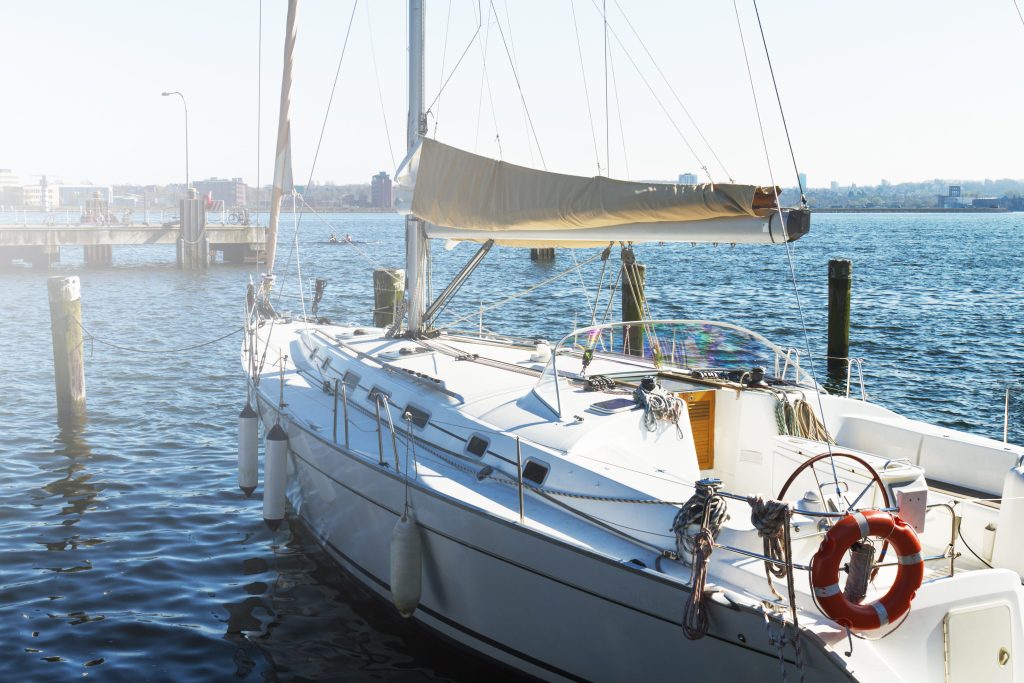
November 3, 2025 | Miscellaneous Purchasing a sailboat represents one of life’s most rewarding investments. The freedom to explore pristine waters, the satisfaction of harnessing wind power, and the countless adventures that await make sailboat ownership an incredibly fulfilling experience. However, navigating the boat buying process requires careful consideration, expert guidance, and a thorough understanding of what makes a quality vessel. This comprehensive guide will walk you through every aspect of purchasing a new sailboat, from defining your needs to taking delivery of your dream vessel. Understanding Your Needs and Preferences Before stepping foot in a showroom or browsing online inventory, successful boat buyers spend time honestly evaluating their intended use, experience level, and budget constraints. This self-assessment forms the foundation for every subsequent decision. Intended Use and Sailing Style Your sailing plans directly influence the type of boat that will serve you best. Weekend day sailing requires different features than extended coastal cruising or offshore passages. Racing enthusiasts prioritize performance characteristics that may compromise comfort for cruising sailors. Consider how many people you’ll typically sail with, whether you plan overnight trips, and the types of waters you’ll explore. Shallow coastal areas favor different keel configurations than deep ocean sailing. Protected bay sailing allows for lighter construction and larger sail plans compared to boats designed for rough offshore conditions. Experience Level and Learning Curve An honest assessment of your sailing experience helps determine the appropriate boat size and complexity. New sailors often benefit from simpler systems and smaller boats that build confidence without overwhelming newcomers. Experienced sailors may desire advanced features and larger vessels that challenge their skills. Remember that boat systems have become increasingly sophisticated. Modern sailboats feature complex electrical systems, advanced navigation equipment, and intricate rigging that requires ongoing maintenance and troubleshooting skills. Budget Considerations Beyond Purchase Price The initial purchase price represents only the beginning of sailboat ownership costs. Annual expenses include marina fees, insurance, maintenance, upgrades, and winter storage. Many experts suggest budgeting 10-15% of the boat’s value annually for ongoing costs. Factor in financing costs if you’re not paying cash, as marine loans typically carry different terms than automotive financing. Consider also the cost of safety equipment, electronics upgrades, and personalization options that aren’t included in base pricing. Types of Sailboats Understanding different sailboat categories helps narrow your search and ensures you’re comparing appropriate vessels. Each type offers distinct advantages and trade-offs designed for specific sailing applications. Cruising Sailboats Cruising sailboats prioritize comfort, safety, and ease of handling over pure performance. These vessels typically feature spacious interiors, comprehensive galley facilities, comfortable sleeping quarters, and reliable systems for extended time aboard. Modern cruising boats like the Jeanneau Sun Odyssey series offer excellent combinations of performance and comfort. The Sun Odyssey 440 and Sun Odyssey 410 represent popular choices for serious cruisers, providing generous interior space without sacrificing sailing performance. Racing Sailboats Racing boats emphasize speed, agility, and responsiveness. These vessels feature lightweight construction, powerful sail plans, and minimal interior accommodations to reduce weight and maximize performance potential. The Jeanneau Sun Fast 3300 exemplifies modern racing design, offering exceptional performance characteristics for both club racing and offshore events. These boats typically sacrifice creature comforts for competitive advantage. Daysailers Daysailers focus on simple operation and maximum sailing enjoyment for shorter trips. These boats typically feature open cockpits, minimal interior space, and straightforward rigging systems that make them ideal for casual sailing and sailing instruction. Catamarans Multi-hull sailboats offer unique advantages, including shallow draft, exceptional stability, and spacious deck areas. Catamarans provide comfortable sailing experiences with reduced heeling and impressive interior volume relative to overall length. Pocket Cruisers Smaller sailboats that still offer basic cruising amenities represent excellent entry points into sailboat ownership. These vessels typically measure 25-35 feet and provide sleeping quarters, basic galley facilities, and adequate sailing performance at accessible price points. New vs. Used Sailboats The decision between new and used sailboats involves weighing immediate costs against long-term value, warranty coverage, and customization opportunities. Advantages of Purchasing New Sailboats New boats offer the latest design improvements, modern systems, and comprehensive warranty coverage. Buyers can customize options, choose preferred layouts, and select equipment packages that match their specific needs. New boat warranties typically cover major systems for several years, providing peace of mind during the critical early ownership period. Working with established dealers like Norton Yachts ensures proper commissioning, thorough systems testing, and ongoing support throughout the warranty period. New boat buyers also benefit from established relationships with service departments familiar with their specific vessel. Considerations for Used Boat Purchases Used boats often provide better value in terms of equipment and features per dollar spent. Previous owners have typically added electronics, safety equipment, and comfort items that would cost thousands when purchased new. However, used boat purchases require more extensive surveys, potential immediate repairs, and careful evaluation of maintenance history. Hidden problems may not become apparent until after purchase, potentially leading to unexpected expenses. Norton Yachts maintains the largest brokerage inventory in the area, offering carefully selected used vessels that meet their quality standards. Their brokerage department provides expert guidance for buyers considering pre-owned options. Choosing a Reputable Brand: Jeanneau and Saffier Yachts Brand selection significantly impacts long-term satisfaction, resale value, and parts availability. Established manufacturers with strong dealer networks provide better support throughout the ownership experience. Jeanneau Sailboats and Powerboats Jeanneau represents one of the world’s most respected boat manufacturers, producing both sailing yachts and powerboats that consistently earn industry recognition. Their sailboat range includes everything from performance-oriented racing boats to comfortable cruising yachts designed for extended voyaging. The Jeanneau product line offers models suitable for every sailing application. Popular sailing models include the Sun Odyssey series for cruising, Sun Fast boats for racing, and various size ranges to accommodate different crew sizes and budgets. Jeanneau powerboats, including the NC series like the NC 1095 and NC 1095 Fly, combine innovative design with practical functionality. The Leader boat series offers sport fishing and day cruising options with impressive performance characteristics. Saffier Yachts Excellence Saffier Yachts represents the pinnacle of Dutch yacht-building
Saffier vs. Beneteau: Comparing Performance Daysailers for Modern Sailors
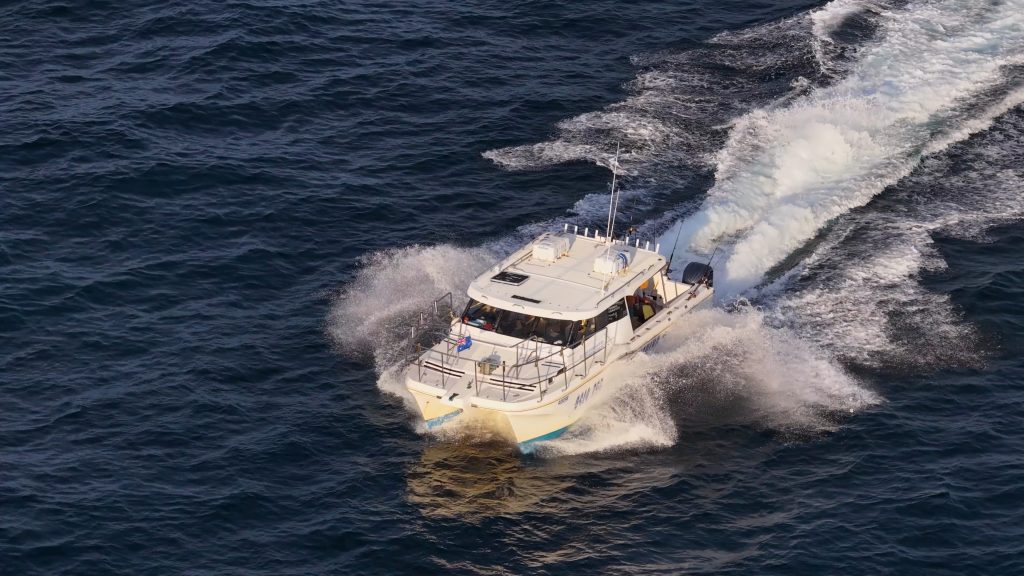
November 18, 2025 | Miscellaneous The daysailer market is booming. Modern sailors want boats that are easy to handle, fast, and stylish—perfect for a few hours on the water without the complexities of a larger cruising yacht. Two brands that stand out in this space are Saffier and Beneteau. While both build exceptional performance daysailers, they cater to different philosophies and priorities. As a leading dealer for both brands in Virginia, Norton Yachts has a unique perspective on what makes each of these sailboats special. Whether you’re a seasoned racer or a weekend adventurer, understanding the differences between Saffier and Beneteau is the first step toward finding your perfect match. This guide compares their design, performance, and value to help you make an informed decision. Brand Overviews Before diving into the specifics, it’s helpful to understand the heritage and philosophy behind each brand. Saffier Yachts Saffier Yachts is a Dutch family-owned company with a singular focus: building the world’s best luxury daysailers. Their philosophy centers on combining exhilarating performance with effortless handling and timeless elegance. Saffier boats are renowned for being “single-handed” sailing yachts, meaning they can be easily managed by one person from the helm. The target market is discerning sailors who demand top-tier craftsmanship, speed, and a head-turning aesthetic. Beneteau The French company is celebrated for its innovation, production efficiency, and ability to deliver exceptional value. Beneteau’s First range, which includes their performance daysailers, is designed to be accessible, versatile, and fun. They appeal to a broad audience, from sailing school beginners to competitive club racers, offering a blend of performance and comfort at an attractive price point. Design and Build Quality The construction and materials used are a clear differentiator between the two brands. Saffier Saffier’s commitment to quality is evident in every detail. Hulls are built using vacuum-injected composite sandwich construction with a PVC foam core, resulting in a structure that is both incredibly light and exceptionally stiff. This advanced method ensures superior sailing performance. The attention to detail is meticulous, from the flush-mounted hardware and flawless gelcoat finish to the high-quality teak decks that come standard on many models. Every Saffier yacht feels like a custom-built vessel, with an emphasis on luxury and longevity. Beneteau Beneteau has mastered the art of efficient, high-volume production without sacrificing quality. Their boats are built using solid GRP (Glass Reinforced Plastic) hulls with a balsa-cored deck, a method that is reliable, cost-effective, and proven over decades of use. While they may not feature the same level of bespoke detailing as a Saffier, Beneteau boats are well-built, durable, and thoughtfully designed for practical use. The value proposition is strong, delivering modern designs and reliable construction that make performance sailing accessible to more people. Performance and Handling Both Saffier and Beneteau build boats that are a joy to sail, but they offer distinct handling experiences. Saffier Saffier yachts are built for speed and responsiveness. Their light displacement, modern hull shapes, and powerful sail plans allow them to accelerate quickly in light winds and remain stable and controllable in a blow. True to their “single-handed” philosophy, all lines are led back to the helm, allowing the skipper to trim sails and make adjustments without leaving the wheel. This makes for a thrilling yet surprisingly relaxed sailing experience. If you’re looking for a boat that feels alive at the helm and rewards skilled sailing, a Saffier will not disappoint. Beneteau Beneteau’s First series daysailers are known for their balanced and forgiving nature. They offer lively performances that are exciting but also predictable, making them great boats for sailors of all skill levels. The cockpit layouts are designed for both solo and crewed sailing, with intuitive controls and good ergonomics. While they may not have the same raw performance edge as a Saffier, Beneteau daysailers are versatile performers that are equally at home on a race course or on a leisurely afternoon sail with the family. Features and Amenities The onboard experience differs significantly between the two, reflecting their core philosophies. Saffier Saffier prioritizes a clean, spacious, and ergonomic cockpit. The deck layout is uncluttered, with large sunbathing areas and comfortable seating. Below deck, the interiors are elegantly finished but typically minimalist, focusing on the essentials for a day on the water. Some larger models offer weekend accommodation with a small galley and enclosed head, but the primary focus remains on the sailing experience. Standard features often include high-end sails, electric winches, and premium navigation electronics. Beneteau Beneteau daysailers are designed for versatility. The cockpits are multi-functional, with removable tables and convertible seating areas perfect for socializing after a sail. The interiors are generally more spacious and well-appointed than Saffier’s, often featuring comfortable berths, a functional galley, and a proper head, making them more suitable for occasional overnight stays. Beneteau offers an extensive list of options, allowing owners to customize their boats for cruising, racing, or a mix of both. Pricing and Value Your budget will play a significant role in your decision, as the two brands occupy different market segments. Saffier When looking at Saffier yachts for sale, you’ll notice they command a premium price. This cost is justified by the superior build quality, high-end materials, exceptional performance, and the level of craftsmanship that goes into each boat. The resale value of Saffier yachts is typically very strong, as their reputation for quality and timeless design ensures they remain in high demand. Beneteau Beneteau offers an excellent value proposition. Their efficient manufacturing process allows them to price their boats competitively, making performance sailing more affordable. When browsing for yacht sailboats for sale, you’ll find Beneteau provides a lot of boats for the money, with modern features and solid performance that appeal to a wide range of sailors. Pros and Cons Saffier Yachts Beneteau Find Your Perfect Sailboat So, which boat is right for you? At Norton Yachts, we are passionate about helping sailors find the perfect vessel. As dealers for Saffier, Beneteau, and with deep expertise in Jeanneau sailboats for sale, we can provide expert guidance on all these