
November 3, 2025 | Miscellaneous
Every boat owner faces the same fundamental question: Should I maintain my vessel myself or entrust it to professional services? This decision extends far beyond simple cost considerations, touching on safety, time management, skill development, and long-term vessel performance.
Boat ownership brings immense rewards—the freedom of open water, peaceful weekends anchored in secluded coves, and the satisfaction of mastering seamanship skills. However, these rewards come with responsibilities that demand careful attention to maintenance and care.
The choice between DIY maintenance and professional services isn’t always binary. Many successful boat owners develop hybrid approaches, handling routine tasks themselves while relying on experts for complex systems and critical safety components. Understanding when to tackle projects yourself and when to seek professional help forms the foundation of smart boat ownership.
Whether you’re considering sailboats for sale in Virginia or already own a vessel, developing a maintenance strategy that matches your skills, schedule, and budget ensures years of trouble-free boating. This comprehensive guide examines both approaches, helping you make informed decisions about caring for your investment.
Understanding DIY Boat Maintenance
Do-it-yourself boat maintenance appeals to owners who enjoy hands-on projects and want deeper understanding of their vessel’s systems. This approach offers several compelling advantages while requiring honest assessment of your capabilities and available time.
Benefits of DIY Maintenance
Cost Savings and Budget Control
DIY maintenance eliminates labor costs that often represent 60-70% of professional service bills. Simple tasks like oil changes, which might cost $200-300 at a marina, require only $50-75 in materials when performed yourself. Over a season, these savings accumulate significantly.
You control the quality and timing of parts purchases, often finding better deals through online suppliers or marine discount retailers. This flexibility allows strategic purchasing during off-season sales or bulk buying for multiple maintenance tasks.
Personal Satisfaction and Knowledge Building
Successfully completing maintenance projects builds confidence and creates deeper connections with your boat. Understanding how systems work, what normal operation sounds and feels like, and recognizing early warning signs of potential problems makes you a more capable skipper.
This knowledge proves invaluable during emergencies or when troubleshooting issues in remote locations. Boat owners who understand their vessels’ systems make better decisions about repairs, upgrades, and operational limits.
Scheduling Flexibility
DIY maintenance happens on your timeline rather than waiting for service appointments during busy seasons. You can address issues immediately rather than potentially missing weekends on the water due to scheduling constraints.
Common DIY Maintenance Tasks
Hull Cleaning and Bottom Maintenance
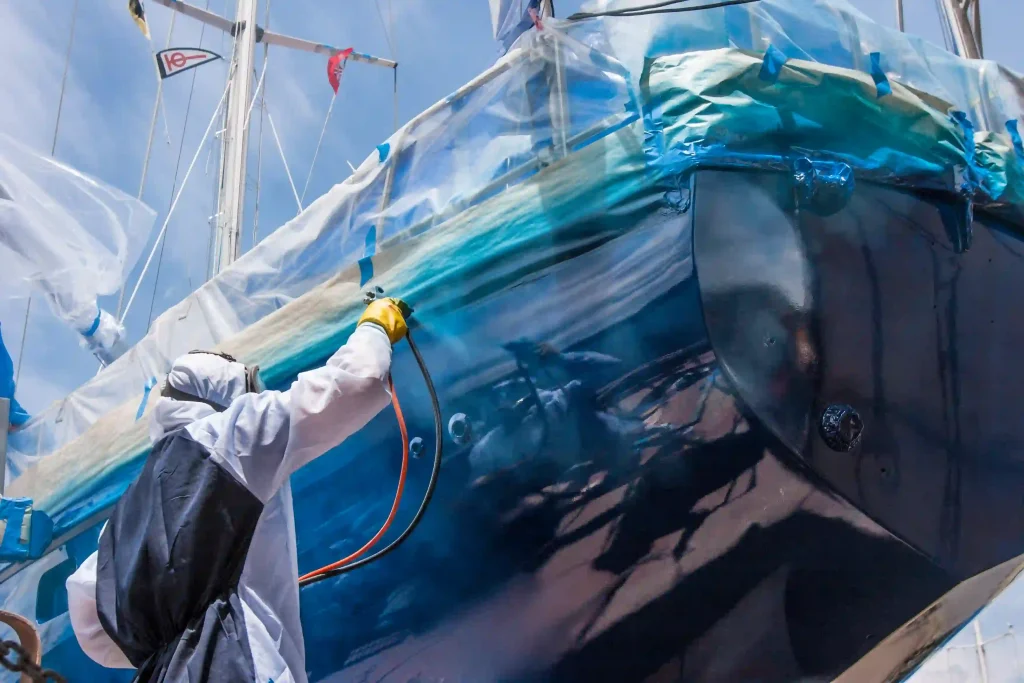
Regular hull cleaning represents one of the most straightforward DIY projects. Removing marine growth, applying antifouling paint, and maintaining through-hull fittings requires basic tools and moderate physical effort but saves hundreds annually.
Bottom painting, while physically demanding, follows straightforward procedures that most boat owners can master. Quality preparation and proper paint application techniques ensure professional-level results at fraction of the cost.
Engine Oil Changes and Basic Service
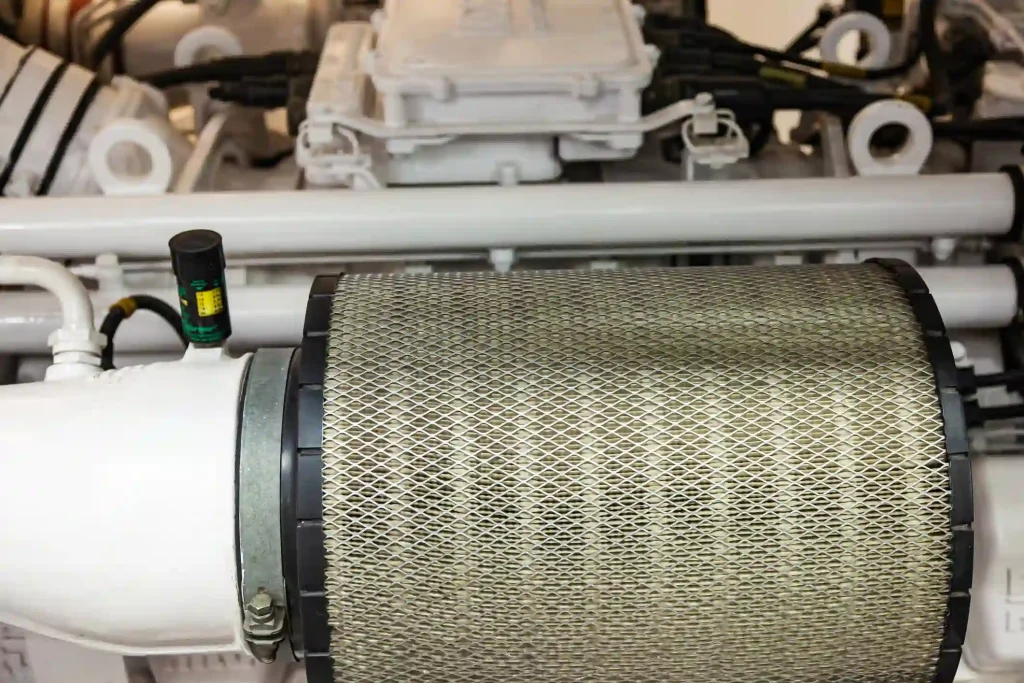
Marine engine oil changes require more frequent intervals than automotive engines but follow similar procedures. Understanding your engine’s specific requirements, including oil types, filter locations, and disposal procedures, makes this routine maintenance manageable.
Basic engine service includes checking belts, hoses, fluid levels, and electrical connections. These inspections often reveal minor issues before they become expensive problems.
Electrical System Maintenance
Basic electrical maintenance includes cleaning battery terminals, checking connections, and testing systems operation. While complex troubleshooting requires expertise, routine maintenance keeps systems reliable and extends component life.
Rigging Inspections and Adjustments
Sailboat owners can perform visual rigging inspections, checking for worn spots, loose fittings, or damaged components. Basic adjustments like tensioning standing rigging or lubricating moving parts fall within most owners’ capabilities.
Essential Tools and Equipment for DIY Projects
Comprehensive Tool Kits
Successful DIY maintenance requires quality tools appropriate for marine environments. Stainless steel and corrosion-resistant tools prevent rust and ensure reliable operation in harsh conditions.
Basic tool requirements include metric and standard wrenches, screwdrivers, electrical multimeter, oil change equipment, and safety gear. Investing in quality tools pays dividends through years of reliable service.
Marine-Specific Equipment
Certain tasks require specialized marine tools like impeller pullers, prop pullers, and rigging tools. While these represent initial investments, they’re essential for specific maintenance tasks and often pay for themselves quickly.
Environmentally Responsible Supplies
Choose biodegradable cleaners, non-toxic hull paints, and environmentally friendly maintenance products. Responsible boating includes protecting the waters we enjoy through conscious product choices.
When to Hire Professional Boat Services
Professional marine services bring expertise, specialized equipment, and warranties that DIY approaches cannot match. Recognizing when professional help is necessary protects your investment and ensures safe operation.
Benefits of Professional Services
Expert Knowledge and Experience
Professional technicians receive factory training, understand complex systems interactions, and stay current with technical bulletins and recalls. Their experience diagnosing problems quickly often saves money compared to DIY trial-and-error approaches.
Certified technicians recognize subtle symptoms that inexperienced owners might miss. Early detection of potential problems prevents minor issues from becoming major expenses.
Time Savings and Convenience
Professional services free your time for enjoying your boat rather than working on it. During prime boating season, this time savings becomes particularly valuable for owners with limited recreational time.
Many service providers offer pickup and delivery services, winter storage coordination, and seasonal preparation packages that simplify boat ownership logistics.
Warranty Protection and Liability Coverage
Professional services typically provide warranties on parts and labor, protecting you from unexpected costs if problems recur. Established service providers carry insurance covering potential damage during service work.
Using certified technicians for warranty-covered repairs ensures manufacturer obligations remain valid. DIY work on warranty-covered components may void coverage and create expensive consequences.
Complex Tasks Requiring Professional Expertise
Engine Overhauls and Major Repairs
Engine rebuilds, transmission service, and cooling system overhauls require specialized knowledge, expensive tools, and precision assembly techniques. Professional expertise ensures these critical systems operate safely and reliably.
Modern marine engines incorporate sophisticated electronics, precise fuel injection systems, and emissions controls that demand professional-level diagnostic equipment and training.
Electrical System Troubleshooting
While basic electrical maintenance suits DIY approaches, complex troubleshooting requires professional expertise. Modern boats incorporate sophisticated systems where problems in one area affect multiple components.
Professional electricians understand marine electrical codes, proper wire sizing, circuit protection requirements, and system integration challenges that ensure safe, reliable operation.
Structural Repairs and Fiberglass Work
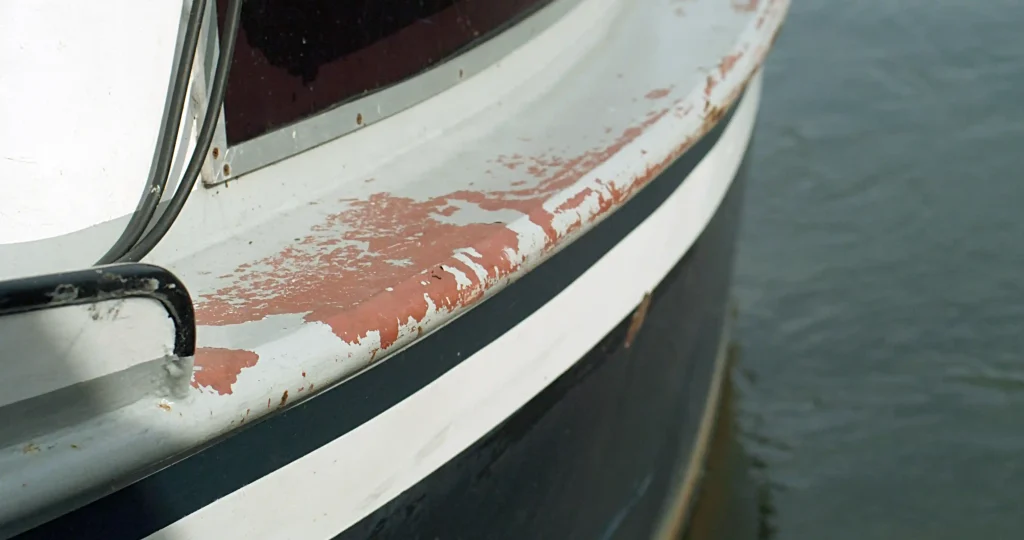
Fiberglass repairs affecting structural integrity require professional assessment and execution. Improper repairs compromise safety and potentially create dangerous failures during operation.
Hull repairs, deck delamination, and structural modifications require expertise in composite materials, proper reinforcement techniques, and quality control procedures.
Advanced Rigging Projects
While basic rigging maintenance suits DIY approaches, installing new rigging, modifying sail handling systems, or addressing structural rigging issues require professional expertise.
Professional riggers understand load calculations, proper installation techniques, and safety factors essential for reliable operation in challenging conditions.
Choosing the Right Service Provider
Certifications and Training
Look for technicians with manufacturer certifications, marine trade association memberships, and ongoing training participation. These credentials indicate commitment to professional standards and current technical knowledge.
Reputation and References
Research service providers through customer reviews, marina recommendations, and boat owner forums. Established businesses with long-term local presence typically provide more reliable service than newcomers.
Insurance and Bonding
Verify that service providers carry appropriate insurance coverage and business licensing. This protection safeguards you from liability if accidents or damage occur during service work.
Specialization Match
Choose service providers whose expertise matches your boat’s systems and manufacturer. Jeanneau sailboat dealers like Norton Yachts offer manufacturer-specific knowledge that generic service providers cannot match.
Cost Analysis: DIY vs. Professional Services
Understanding the true costs of both approaches requires examining immediate expenses and long-term financial implications of maintenance decisions.
DIY Cost Considerations
Initial Tool and Equipment Investment
Quality marine tools require significant upfront investment but serve multiple projects over many years. Calculate cost per use for expensive specialized tools to determine purchase justification.
Consider tool sharing with other boat owners or marina tool lending programs for occasionally-needed equipment.
Material and Supply Costs
DIY projects allow you to choose material quality levels and shop for competitive pricing. However, marine-grade materials often cost significantly more than automotive or household equivalents.
Budget for proper disposal of waste materials, especially oil, antifreeze, and other hazardous substances that require special handling.
Learning Curve Costs
Factor in potential mistakes, repeated procedures, and additional materials needed while developing skills. First-time projects often require more time and materials than experienced owners need.
Professional Service Cost Factors
Labor Rates and Efficiency
Professional technicians work faster than inexperienced DIY owners but charge hourly rates that can reach $100-150 per hour at premium facilities. However, their efficiency and expertise often result in lower total costs for complex projects.
Parts and Materials Markup
Service providers typically mark up parts and materials but often have access to wholesale pricing that offsets markup costs. They also handle warranty claims and ensure parts compatibility.
Geographic Variations
Service costs vary significantly by location, with popular boating areas typically charging premium rates. Sailboats for sale in Virginia owners often benefit from competitive service pricing due to the region’s large boating community.
Long-Term Financial Implications
Preventive Maintenance Value
Regular professional maintenance often prevents expensive repairs by identifying problems early. The cost of routine service visits may be offset by avoiding major system failures.
Resale Value Impact
Documented professional maintenance history enhances resale value and buyer confidence. Service records from reputable providers like Norton Yachts demonstrate responsible ownership.
Insurance Considerations
Some insurance policies require professional service for certain systems or may offer discounts for documented maintenance programs.
Start Your Maintenance Journey Right
The decision between DIY boat maintenance and professional services doesn’t have to be all-or-nothing. Most successful boat owners develop personalized approaches that combine their skills and interests with professional expertise where needed.
Start by honestly assessing your abilities, available time, and budget constraints. Begin with simple maintenance tasks while building relationships with trusted service providers for complex work and emergencies.
Remember that proper maintenance protects your investment and ensures safe, enjoyable time on the water. Whether you choose DIY approaches, professional services, or a combination of both, consistent attention to your boat’s needs pays dividends in reliability, safety, and resale value.
Contact Norton Yachts to explore new and brokerage Jeanneau and Saffier Yachts that meet your cruising dreams.
FAQ’s
1. What maintenance tasks should I never attempt myself?
Ans: Avoid DIY work on structural repairs, major electrical troubleshooting, engine rebuilds, and any safety-critical systems unless you have appropriate training and experience. When safety is at stake, professional service is always the better choice.
2. How do I know if I need professional service for an engine problem?
Ans: If your engine shows unusual symptoms like overheating, loss of power, unusual noises, or warning lights, seek professional diagnosis immediately. Engine problems can escalate quickly and cause expensive damage if not addressed properly.
3. What tools are essential for basic boat maintenance?
Ans: Essential tools include metric and standard wrench sets, screwdrivers, electrical multimeter, oil change equipment, marine sealants, and safety gear. Invest in stainless steel or corrosion-resistant tools designed for marine environments.
4. How often should I have professional inspections even if I do my own maintenance?
Ans: Annual professional inspections help identify problems you might miss and ensure safety-critical systems meet standards. Many insurance policies require professional inspections, and they often prevent expensive problems by catching issues early.
5. What’s the best way to learn boat maintenance skills?
Ans: Start with manufacturer manuals, online resources, and hands-on training opportunities. Many marinas and yacht clubs offer maintenance workshops. Consider working alongside experienced boat owners or professionals to build skills safely.