Winterizing a boat involves flushing and stabilizing the engine, changing fluids, draining or protecting water systems from freezing, cleaning and protecting the hull, and covering or shrink-wrapping the boat — ideally completed before the first hard freeze of the season. Owners comfortable with basic mechanical tasks can DIY most of this; others may prefer professional winterization or storage service.
Skipping or rushing winterization is one of the most common causes of expensive spring repairs — here’s what the full process actually involves.
Key Takeaways
- Engine: flush, fog cylinders (if applicable), stabilize fuel, change oil.
- Water systems: drain or add antifreeze to prevent freeze damage.
- Hull/exterior: clean and wax before covering.
- Cover/storage: shrink-wrap or a quality cover to protect through winter.
- Complete this before the first hard freeze, not after.
What does a full winterization checklist look like?
| Step | What it involves |
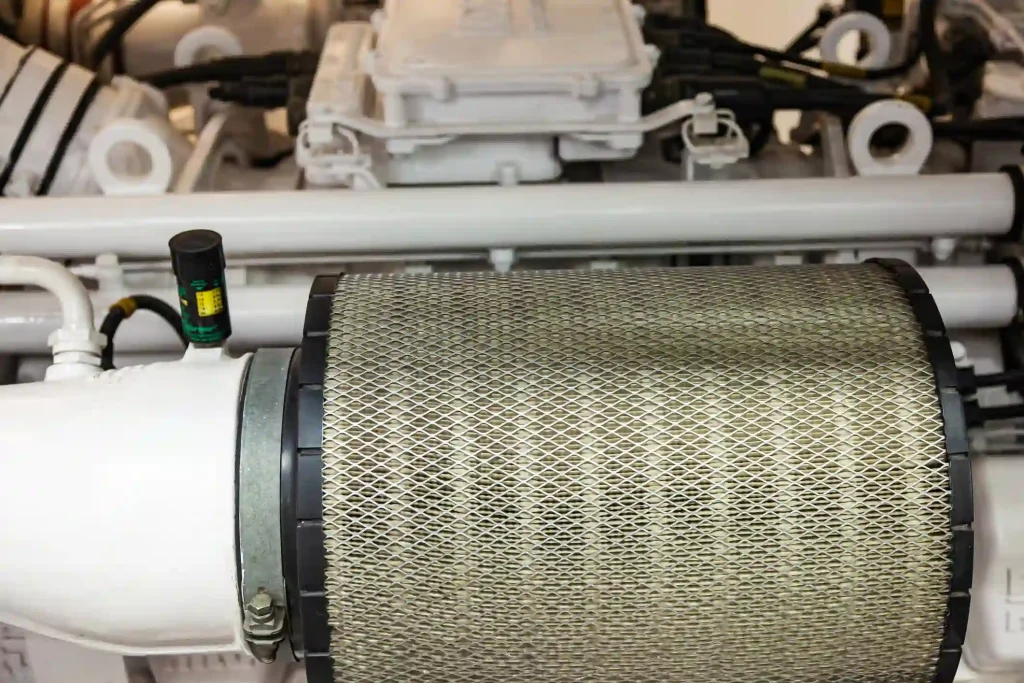
| Fuel system | Add fuel stabilizer, run the engine to circulate it |
| Engine flush | Flush with fresh water to remove salt/debris |
| Oil change | Change oil and filter before storage, not after |
| Fogging (if applicable) | Fog cylinders per manufacturer guidance to prevent internal corrosion |
| Water systems | Drain or add non-toxic antifreeze to all water lines and the head |
| Battery | Remove or maintain with a trickle charger through winter |
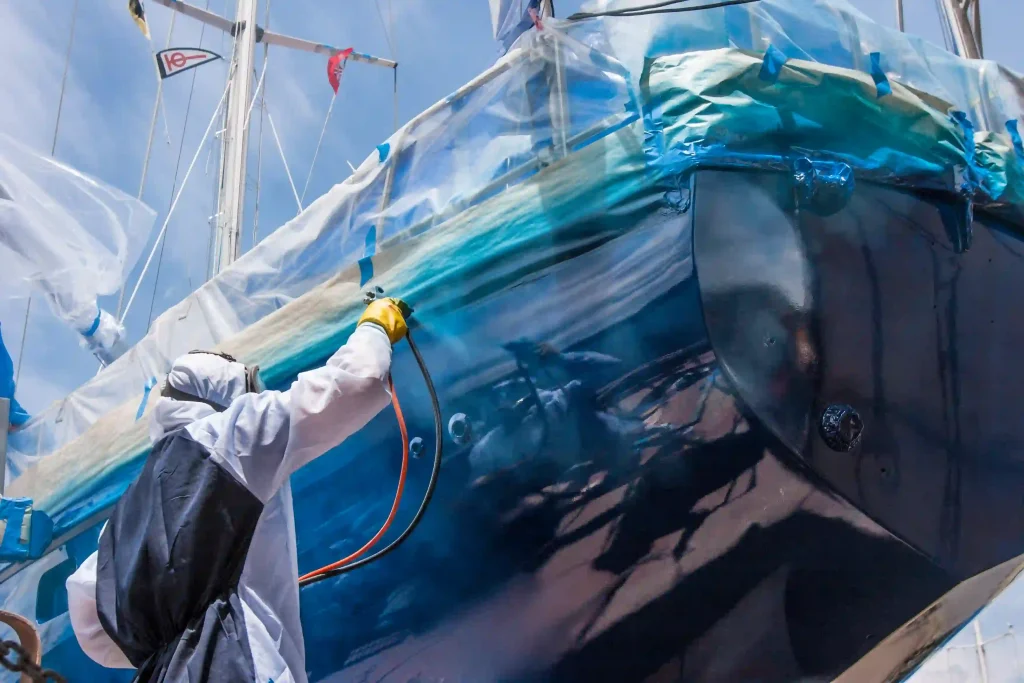
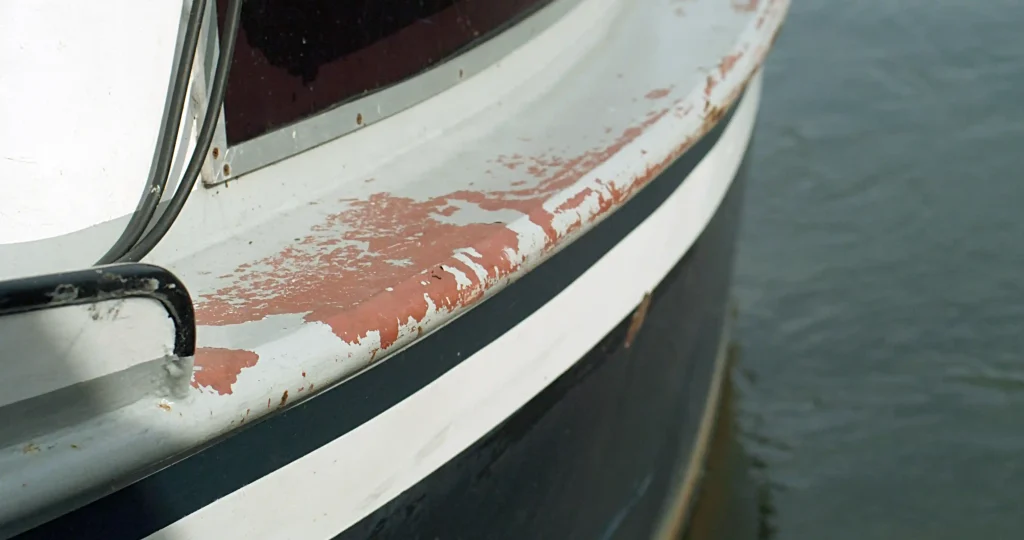
| Hull cleaning | Clean and wax before covering to protect the gelcoat |
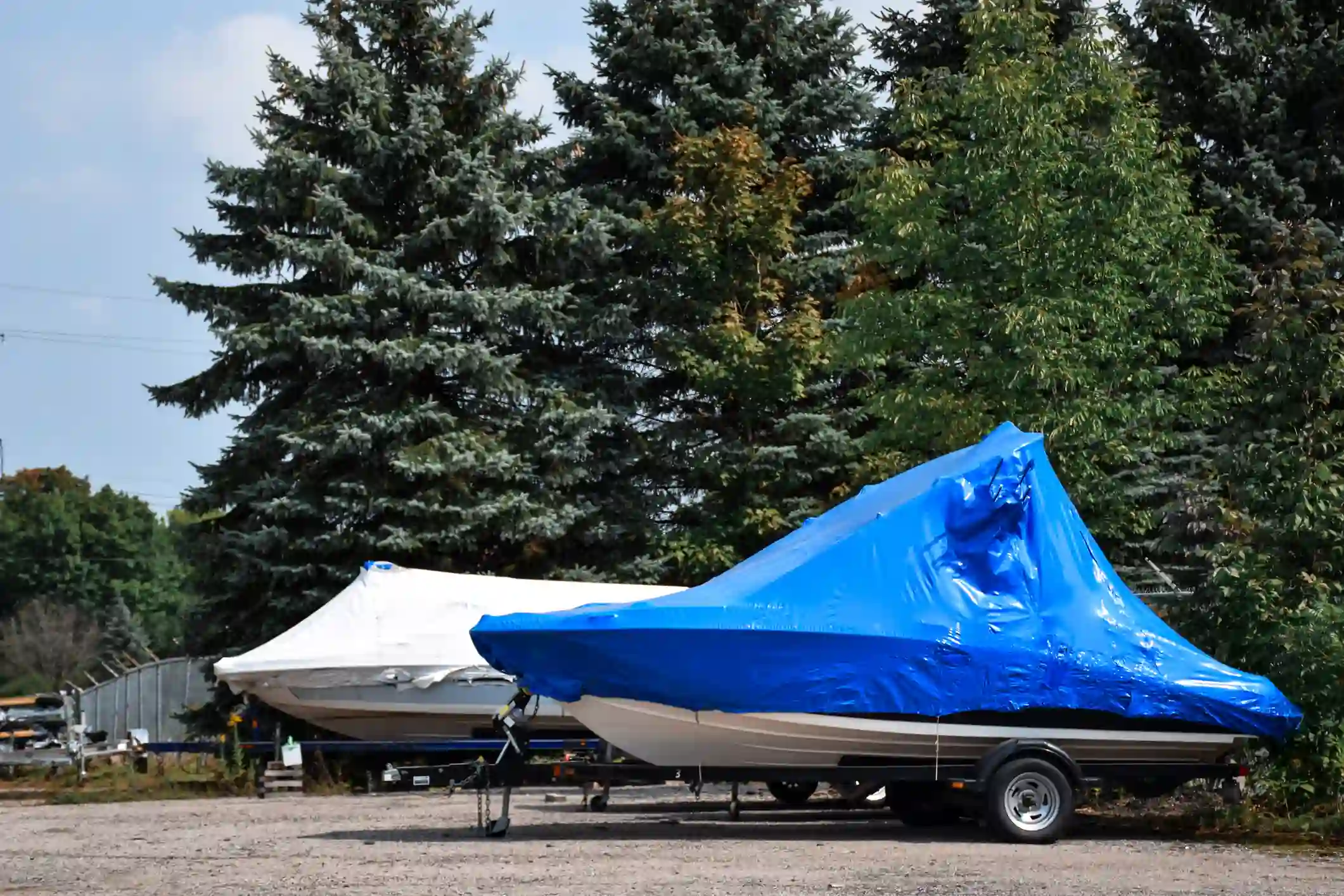
| Cover/shrink-wrap | Full cover or shrink-wrap to protect from snow, ice, and debris |
Can I do this myself, or should I use a professional service?
Owners comfortable with basic mechanical maintenance can complete most winterization steps themselves — the process is well-documented and doesn’t require specialized tools for most steps. That said, engine-specific steps (like fogging cylinders correctly) benefit from manufacturer-specific guidance, and our engine maintenance schedule guide breaks that down by engine type.
What happens if you skip winterization or do it late?
Freeze damage to water systems and engine blocks is the most common and most expensive consequence — cracked engine blocks and burst water lines from freezing are largely preventable but can be very costly to repair come spring.
Is DIY winterizing the same as professional storage service?
Not exactly — winterizing is the mechanical prep process itself, while professional storage service (like our winter storage program) additionally covers where and how the boat is physically stored through the off-season. Many owners winterize themselves and still use a storage service, or have the storage service handle winterization as part of the package.
When should winterization be completed by?
Before the first hard freeze in your area — in the Chesapeake Bay region, this typically means having winterization complete well before late fall, not waiting until the first cold snap catches you off guard.
Bottom line
A complete winterization covers the engine, fluids, water systems, hull, and cover — done before the first freeze, it’s the single best way to avoid expensive spring repairs. Ask our service team for winterization support or scheduling or explore winter storage options.
FAQ
A question we often hear from new owners: “Can I winterize my own boat, or do I need a professional?” Most owners comfortable with basic mechanical maintenance can DIY most of the process — engine-specific steps benefit from manufacturer guidance, but a full professional service isn’t strictly required.
What happens if I don’t winterize my boat properly? Freeze damage to water systems and the engine block is the most common and most expensive consequence of skipped or incomplete winterization.
When should I winterize my boat? Before the first hard freeze of the season in your area — don’t wait until a cold snap catches you off guard.
Is winterizing the same as using a winter storage service? Not exactly — winterizing is the mechanical prep process itself, while storage service covers where and how the boat is physically stored through the off-season.
Do I need to remove the battery for winter storage? It’s commonly recommended — either remove it for storage or maintain it with a trickle charger through the winter months.