Sailboat vs. Powerboat: Which Is Right for You on the Chesapeake Bay?
It’s the first fork in the road for almost every new boat buyer, and it’s rarely a simple one. Sail and power boating offer genuinely different experiences on the water, and the right answer depends less on which one is “better” and more on how you actually want to spend your time on the Chesapeake Bay. Norton Yachts has helped buyers work through this decision from Deltaville, Virginia since 1948, and we’ve watched the same handful of factors decide it almost every time.
How Chesapeake Bay Conditions Shape the Decision
The Bay itself has an opinion on this question. It averages around 21 feet deep, and nearly a quarter of it is shallower than 6 feet — which means draft matters more here than it does on most cruising grounds. Shoal-draft sailboats open up gunkholing anchorages that deeper-keeled boats simply can’t reach, while many powerboats sit shallow enough to explore those same coves without a second thought.
Summer on the Bay also brings fast-moving airmass thunderstorms, sometimes with gust fronts up to 70 knots. Both sail and power owners need to plan around this, but it affects each differently: a sailor is thinking about sail area and reefing plans, while a powerboat owner is thinking about horsepower and a fast run back to the slip. Neither is a dealbreaker — it’s just part of matching the boat to how you’ll actually use it.
The Case for Sailing on the Chesapeake Bay
Sailing rewards patience and skill-building, and the Bay is one of the best places on the East Coast to develop both. Consistent afternoon breezes, protected water, and hundreds of miles of coastline make it a genuinely great training ground — which is part of why Norton operates an ASA-accredited sailing school right alongside our yacht sales operation. If you’re drawn to the quiet of sail power, the satisfaction of trimming for conditions, and lower fuel costs over a season, sail is usually the right call.
Our Jeanneau Sun Odyssey lineup is the most popular starting point for Bay sailors, with models built for exactly this kind of coastal cruising. Buyers who want to go further into performance and comfort at the top of the range often look at the Jeanneau Yachts series, while those drawn to a more premium, European-built day sailor explore our Saffier Yachts — Norton is the only authorized Saffier dealer in Virginia.
The Case for Powerboating on the Chesapeake Bay
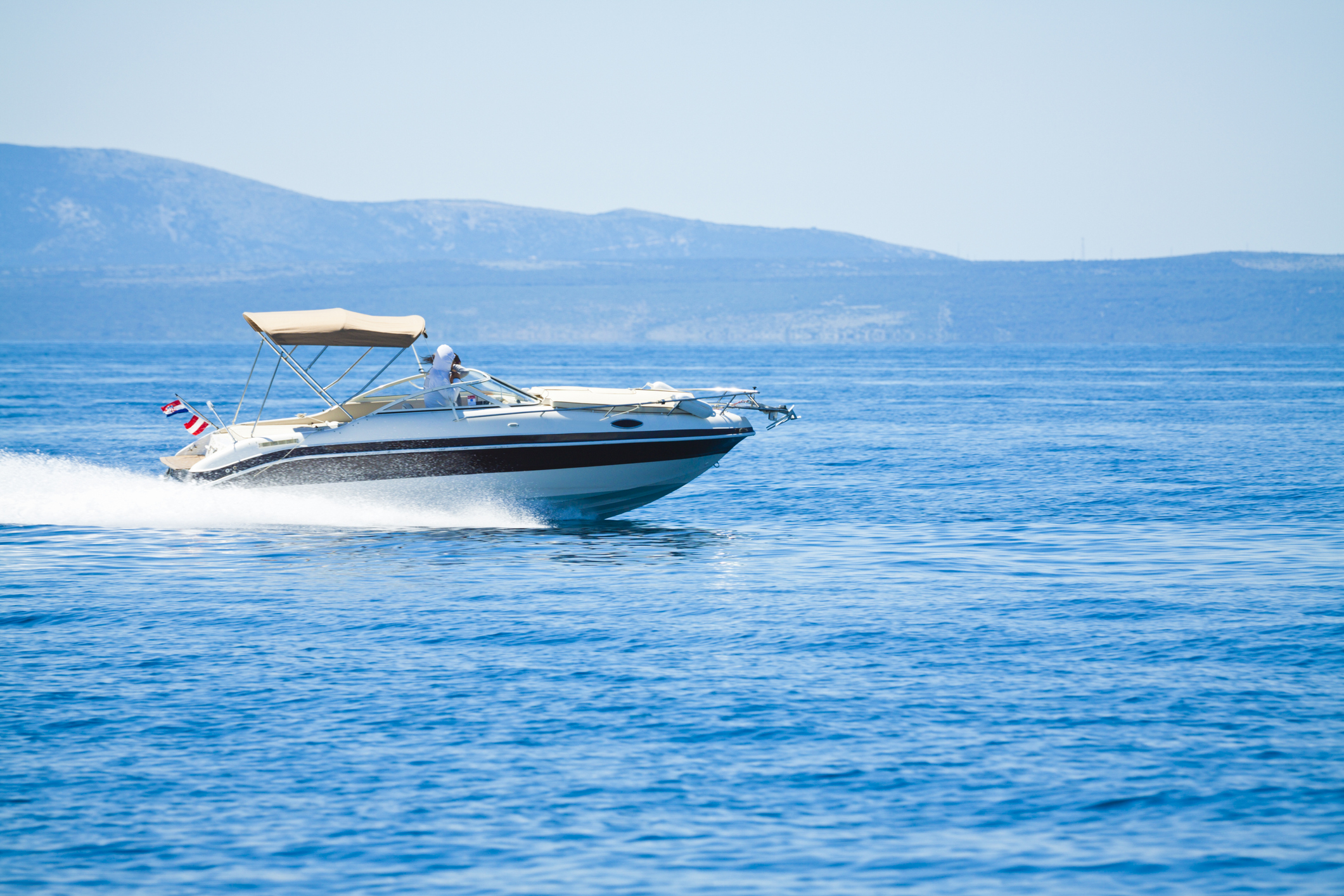
Powerboating trades wind dependence for speed and flexibility. If your ideal weekend is getting to a waterfront restaurant, a favorite anchorage, or a family gathering on your own schedule rather than the wind’s, power is the more practical fit — especially for families balancing everyone’s patience for a longer sail.
Our Jeanneau NC series is built for coastal cruising with real cabin comfort, and the Jeanneau Leader models lean sportier for day-boating and entertaining. For buyers prioritizing stability, deck space, and easy handling — often first-time boat owners or multi-generational families — the Bennington S Series and Bennington L Series pontoons are consistently the most approachable boats in our inventory.
Norton Yachts Model Recommendations by Lifestyle
- Want to learn a skill and cruise under sail: Start with a Jeanneau Sun Odyssey and pair it with a course at Norton’s Sailing School.
- Want premium sail performance with minimal crew: Look at Saffier Yachts.
- Want weekend cruising comfort under power: The Jeanneau NC series fits best.
- Want a sporty day boat for entertaining: The Jeanneau Leader lineup is built for it.
- Want the easiest boat to own with family and friends aboard: A Bennington pontoon is hard to beat.
You can browse our full lineup across both categories on our Models page, or see current inventory under New Sailboats and New Powerboats.
Questions to Ask Before You Decide
- How much of your on-water time do you want to spend actively sailing versus arriving somewhere?
- Who else is coming aboard, and how much patience do they have for a slower pace?
- Do you want to learn a new skill, or do you already have one you want to use more?
- What draft do the anchorages and marinas you actually plan to visit require?
Frequently Asked Questions
Is a sailboat or powerboat better for the Chesapeake Bay?
Neither is universally better — the Bay’s shallow, wind-friendly waters support both well. Sailboats suit buyers who want to build a skill and enjoy quieter, slower cruising, while powerboats suit those who want speed, flexibility, and easier handling for families and guests.
Do I need sailing experience to buy a sailboat from Norton Yachts?
No. Many first-time sailboat buyers purchase their boat and learn through Norton’s ASA-accredited Sailing School at the same time, often starting with courses like ASA 101 before taking delivery.
Which is more affordable to own long-term, sail or power?
Sailboats generally cost less to fuel and maintain mechanically, since they rely on wind for propulsion. Powerboats have higher fuel and engine-service costs but often lower learning-curve time, which some owners weigh as worth the tradeoff.
Can I switch from sail to power later if I change my mind?
Yes, and it’s common. Many owners start with a sailboat, build experience, and transition to a powerboat later in their boating life — Norton’s brokerage program through Sell Your Boat makes that transition straightforward.
What brands does Norton Yachts carry for sail and power?
Norton is an authorized Jeanneau dealer (sail and power lines) and Virginia’s only authorized Saffier Yachts dealer, plus Bennington pontoons. Full current inventory is available on our Models page.
Ready to see these models in person? Schedule an appointment with our team, or start browsing on our Models page to compare sail and power side by side.