Most owners think of detailing as cosmetic, something you do before a boat show or a sale, not something that belongs on a maintenance calendar. On the Chesapeake Bay, that distinction costs owners money.
Salt air, UV exposure, and the organic growth that builds up on a hull and topsides left in Bay water for a season do real, cumulative damage to a boat’s finish, and detailing on a regular schedule is what keeps that damage from compounding.
Norton Yachts offers full boat detailing and power washing from our boatyard in Deltaville, Virginia, and this is our first dedicated Knowledge Center article on detailing specifically, after years of covering it only as a service page.
If you want to see what regular detailing involves for your boat, call (804) 776-9211 or visit our boat service center.
What Detailing Actually Protects
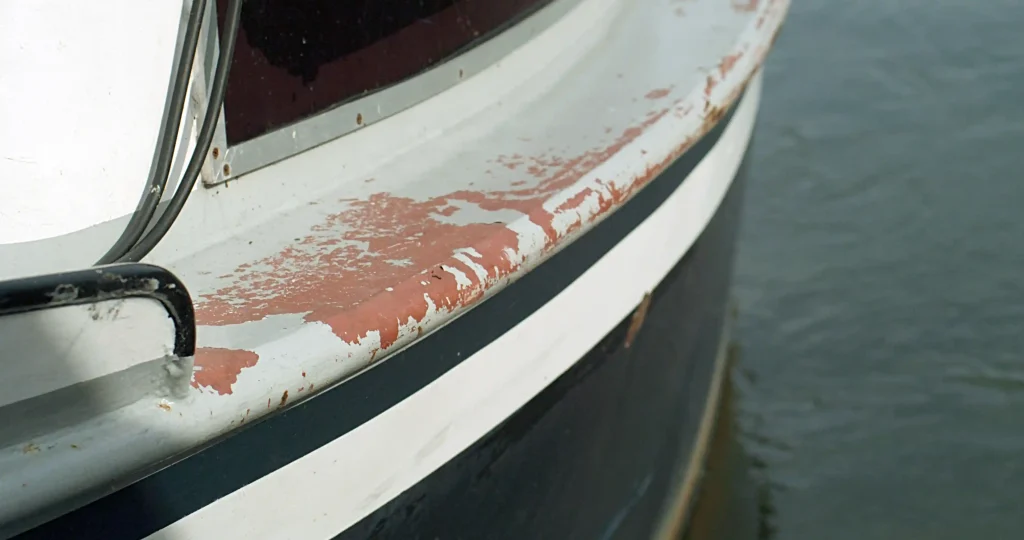
- Gelcoat and finish integrity. UV exposure oxidizes gelcoat over time, and once oxidation sets in, it is far more expensive to correct (through compounding and polishing) than it would have been to prevent through regular washing and waxing. The same logic applies to an Awlgrip finish, where routine care extends the life of the topcoat between full repaints.
- Canvas, upholstery, and isinglass. Salt residue and UV exposure break down bimini canvas, cockpit cushions, and clear vinyl enclosures faster when they are not cleaned and protected on a schedule. Replacing canvas is a real expense that regular care pushes further into the future.
- Metal hardware and stainless fittings. Stanchions, cleats, and rails on the Bay pick up surface rust and salt staining faster than the same hardware would in fresh water. Detailing that includes metal polishing keeps corrosion from taking hold in the first place.
- Hull growth and bottom condition above the waterline. Algae and organic buildup at the waterline are not just unsightly. Left alone, they create a cycle where the buildup holds moisture against the hull finish, accelerating the exact gelcoat and finish damage detailing is meant to prevent.
Detailing as Part of a Maintenance Schedule, Not a One-Time Event
The boats that hold their finish best on the Chesapeake Bay are not the ones that get a single deep detail once a year before a show. They are the ones on a regular schedule, where washing, waxing, and canvas care happen often enough that oxidation and salt buildup never get a foothold.
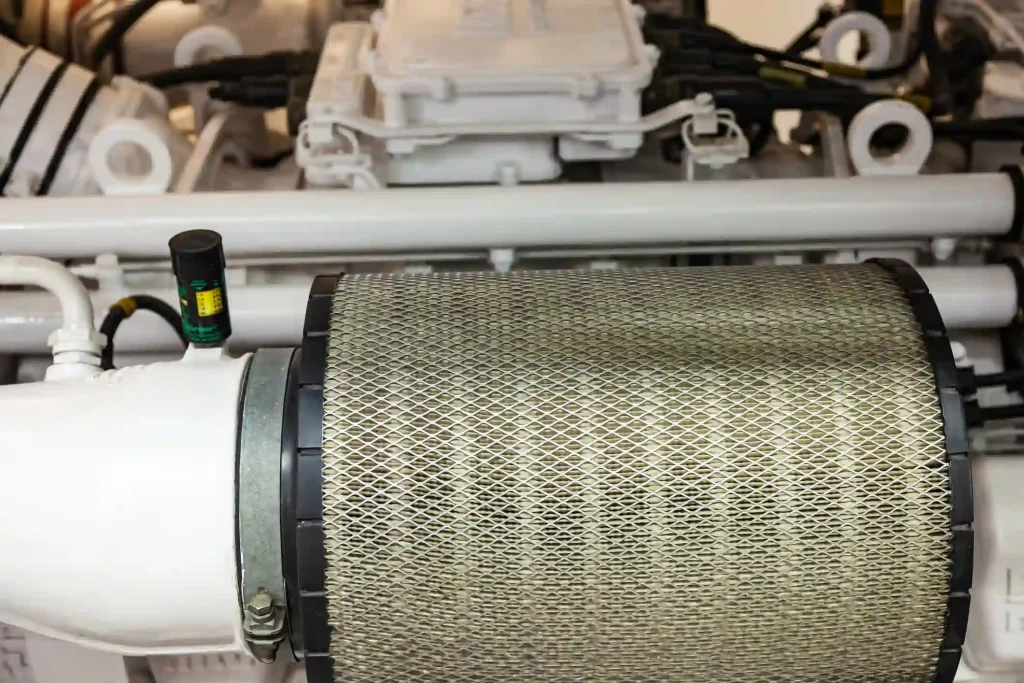
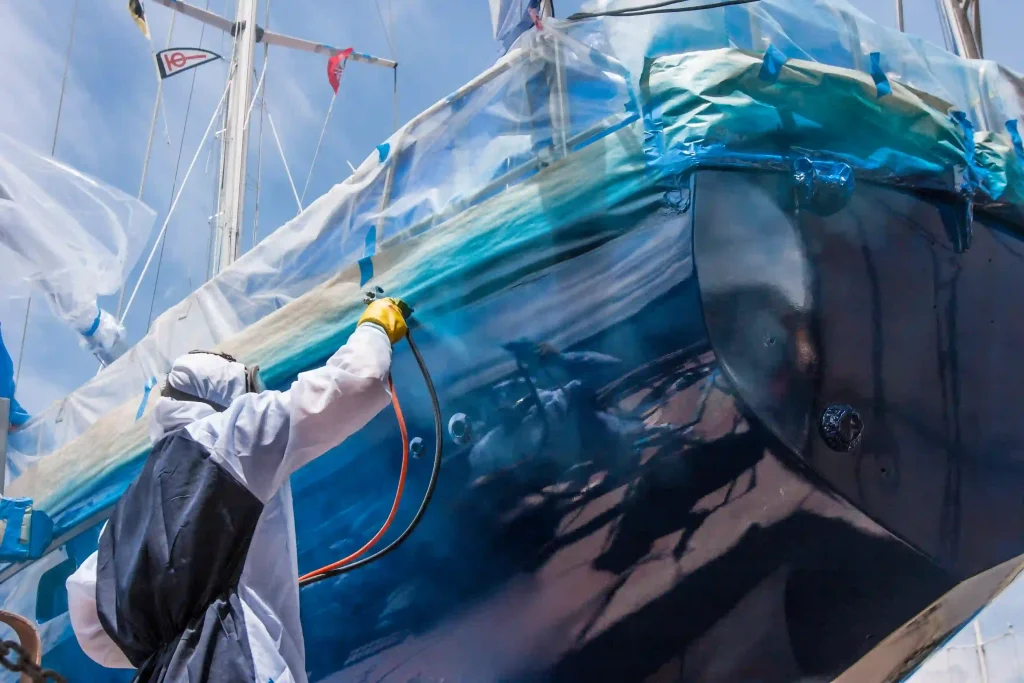
This is the same logic behind engine maintenance and bottom paint: consistent, scheduled attention costs less over time than periodic, reactive attention.
Power Washing vs. Full Detailing
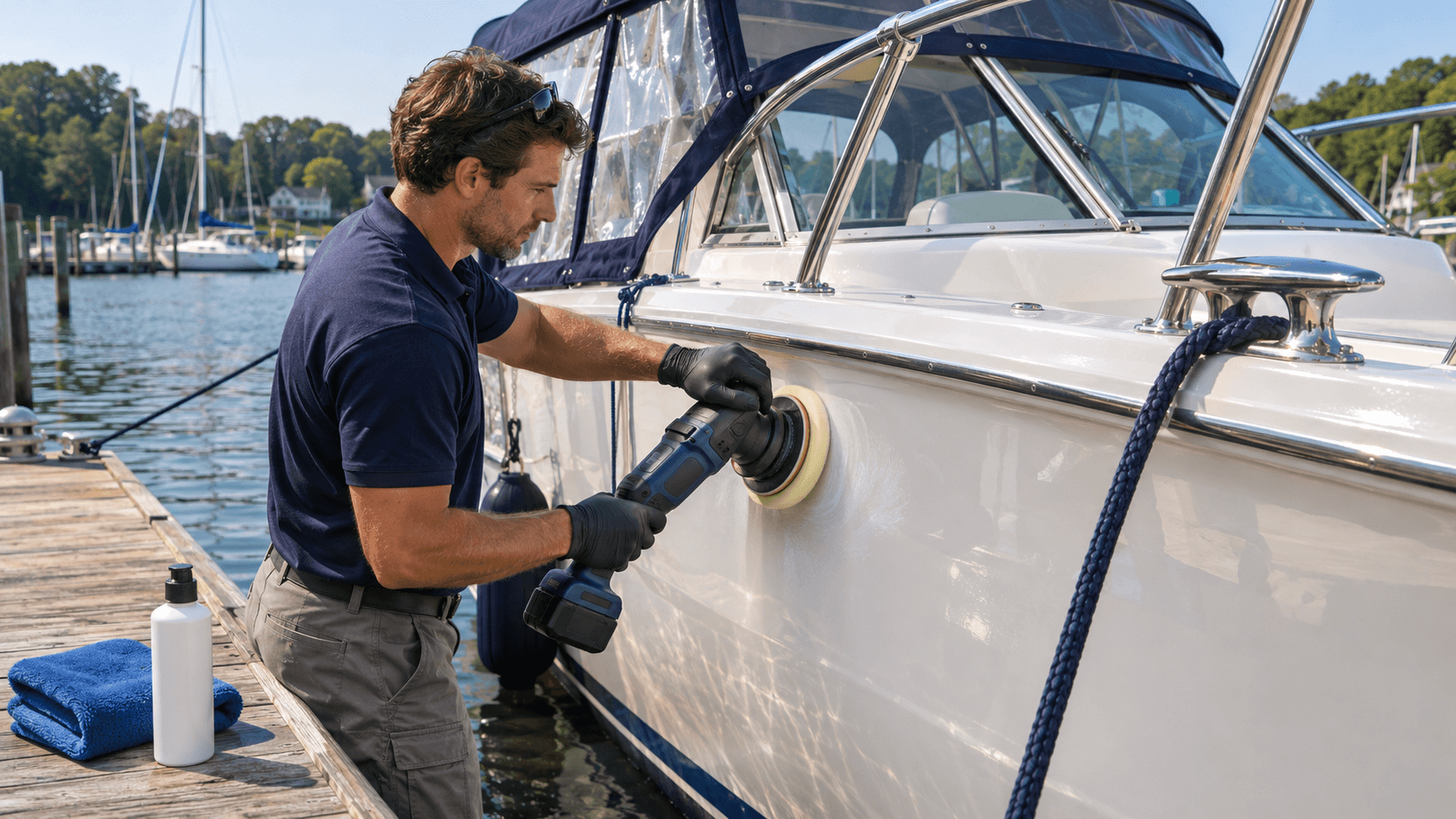
A power wash removes surface dirt and light organic buildup and is useful as frequent, light maintenance between fuller details. A full detail goes further, including compounding and polishing to address oxidation that has already set in, waxing to protect the finish going forward, canvas and vinyl treatment, and metal polishing.
Owners who do regular power washing between full details generally need fewer aggressive compounding sessions over the life of the boat, because the finish never gets the chance to deteriorate as far.
You can browse the rest of our ownership and maintenance guides in the Knowledge Center.
Frequently Asked Questions
Is boat detailing really worth doing if my boat isn’t for sale?
Yes. Detailing protects the finish underneath the shine, and on the Bay specifically, UV and salt exposure make that protection more important, not less, for boats staying in active use.
How often should a boat on the Chesapeake Bay be detailed?
It depends on how much the boat is used and whether it sits in the water or on a lift, but regular, lighter attention (washing and waxing) between less frequent full details generally protects the finish better than a single annual deep clean.
Does detailing help with anything besides the gelcoat or paint?
Yes. Canvas, upholstery, isinglass, and metal hardware all benefit from regular care, and all are expensive to replace once salt and UV damage sets in.
Will detailing fix oxidized gelcoat that has already gone too far?
A full compounding and polishing service can restore a lot of oxidized gelcoat, but severe, long-neglected oxidation sometimes requires more aggressive correction or, in extreme cases, a repaint. Catching it earlier through regular detailing is less expensive than correcting it later.
To schedule a detailing appointment or ask what your boat specifically needs, call Norton Yachts at (804) 776-9211 or schedule an appointment.