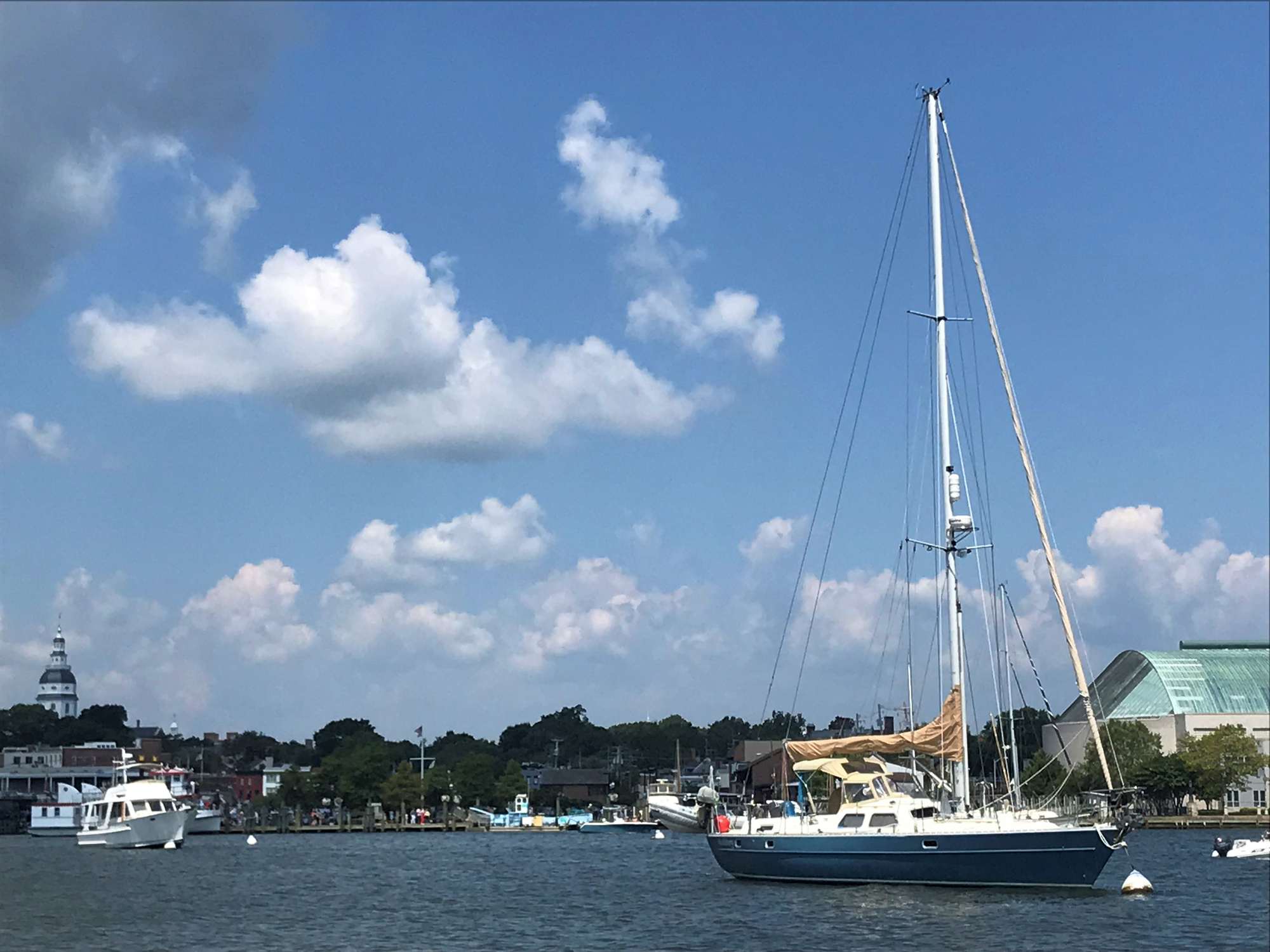
The Chesapeake Bay is renowned for its picturesque beauty, abundant wildlife, and excellent boating opportunities. For both seasoned sailors and novice boaters, finding the best anchorages is vital for enjoying this renowned maritime corridor. This guide delves into the top anchorages across various regions of Chesapeake Bay for 2026, making it a helpful resource for anyone looking to explore this iconic waterway. Readers will learn about prime spots for anchoring, safety practices, and marine services available to enhance their boating experience. We will cover the best anchoring areas in Virginia and Maryland, ensuring boaters can find secure and enjoyable places to drop anchor. Safety tips and local regulations will also be included, along with insights into the types of boats best suited for this region.
What Are the Top Chesapeake Bay Anchorages by Region for 2026?
The Chesapeake Bay is dotted with numerous anchorages, offering diverse environments for boating enthusiasts. Focusing on regional highlights, both Virginia and Maryland present unique anchoring spots that cater to different preferences and boating needs. Within each area, specific features such as amenities, safety conditions, and local attractions determine the best locations for boaters seeking a reliable anchorage.
Which Anchorages Are Best in Virginia’s Chesapeake Bay Areas?
In Virginia, some of the most recommended anchorages include:
- Mobjack Bay: This sheltered bay offers calm waters and stunning views, ideal for relaxing and enjoying the scenery. The surrounding forests provide a tranquil escape for boaters seeking tranquility.
- Deltaville: Known for its welcoming community and marine services, Deltaville is a central location for boaters. Its proximity to local shops and restaurants makes it convenient for stopping and resupplying.
- Cherrytree Point: This anchorage is appreciated for its natural beauty and relatively shallow waters, making it particularly suitable for smaller boats. The picturesque environment is perfect for capturing beautiful sunsets.
These spots each present unique benefits, ensuring a mix of natural beauty and practical amenities for all boating experiences in Virginia’s illustrious portions of Chesapeake Bay.
Where Are the Prime Anchorage Spots in Maryland’s Chesapeake Bay?
Maryland’s Chesapeake Bay region boasts several prime anchorage spots that appeal to diverse boating communities:
- Annapolis: Often referred to as “The Sailing Capital of the U.S.,” Annapolis provides excellent anchorage options alongside vibrant local culture and dining opportunities. This charming city offers various marine services for boaters.
- Solomons Island: Rich in history, Solomons provides a mix of cultural attractions and natural splendor. The waterfront is lively, and this area is known for its friendly community and myriad marine activities.
- St. Michaels: For those seeking adventure, anchoring near St. Michaels allows easy access to historical sites and charming shops. It’s an ideal location for boaters who want to connect with local culture.
Maryland’s anchorages allow boaters to experience scenic beauty and robust local cultures, enhancing their overall journey on the Chesapeake Bay.
How Can Boaters Ensure Safety Anchoring in the Chesapeake Bay?
Safety is paramount when anchoring, especially in a diverse environment like the Chesapeake Bay. Understanding local conditions, employing proper anchoring techniques, and adhering to safety guidelines can significantly enhance a boating experience.
What Are Essential Boating Safety Tips and Anchor Techniques for the Bay?
To maximize safety while anchoring, boaters should consider these essential tips:
- Choose the Right Location: Consider depth, current, and potential weather changes to select an optimal spot.
- Use the Right Anchor: Different types of anchors, like fluke or plow anchors, are suitable for various seabeds and conditions.
- Check the Weather: Always monitor weather patterns before anchoring, as sudden changes can impact safety and comfort.
These foundational strategies help ensure a secure and enjoyable anchoring experience in the bay’s diverse conditions.
How Do Local Weather Patterns Impact Anchorage Safety?
Local weather conditions play a significant role in anchoring safety:
- Wind and Current: Understanding how wind and tidal currents affect boat positioning can prevent accidents and misadventures.
- Seasonal Fluctuations: Seasonal weather changes can influence water levels and visibility, affecting anchoring strategies.
- Storm Awareness: Always remain vigilant and prepare for potential storms, which frequently occur, especially in the summer months.
By acknowledging the prevalent weather factors, boaters can enhance safety and comfort when choosing their anchoring spots.
Which Marine Services Help Prepare Boats for Safe Chesapeake Bay Anchorage?
Preparing your boat adequately is crucial for a safe anchoring experience in Chesapeake Bay. A range of professional Marina Services are available to assist boaters in ensuring their vessels are ready for anchoring in this scenic region.
What Maintenance and Repair Services Does Norton Yachts Offer for Anchorage Readiness?
Norton Yachts offers a plethora of services to ensure boats are well-maintained for safe anchoring, including:
- General Maintenance: Regular upkeep is vital for maintaining overall boat performance and safety.
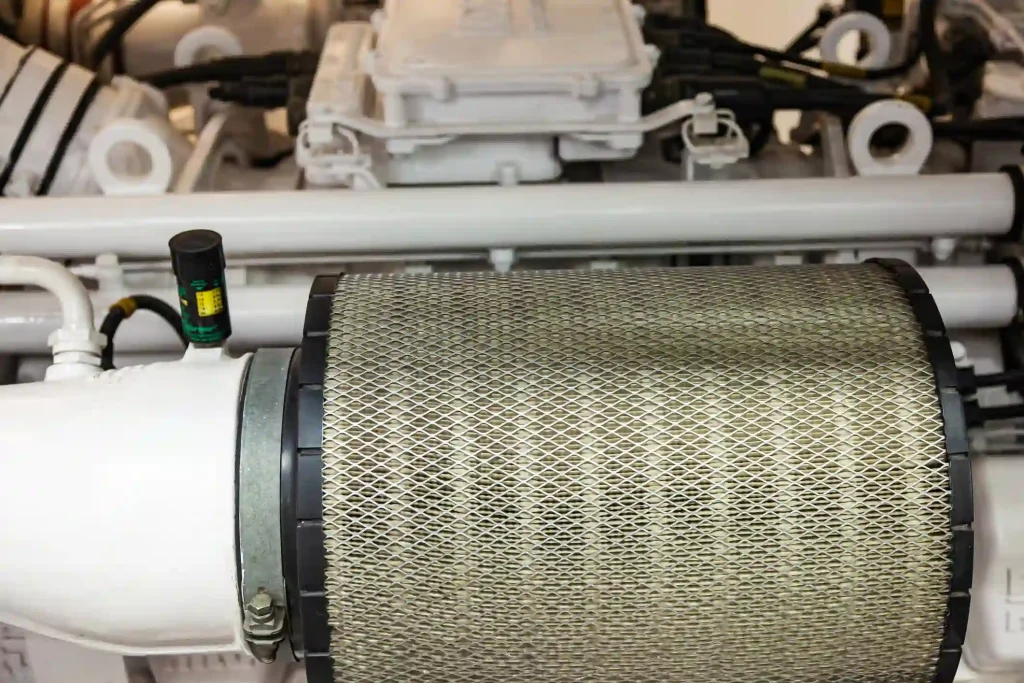
- Engine Service: Comprehensive checks and preventative maintenance help ensure reliability when navigating to anchorage spots.
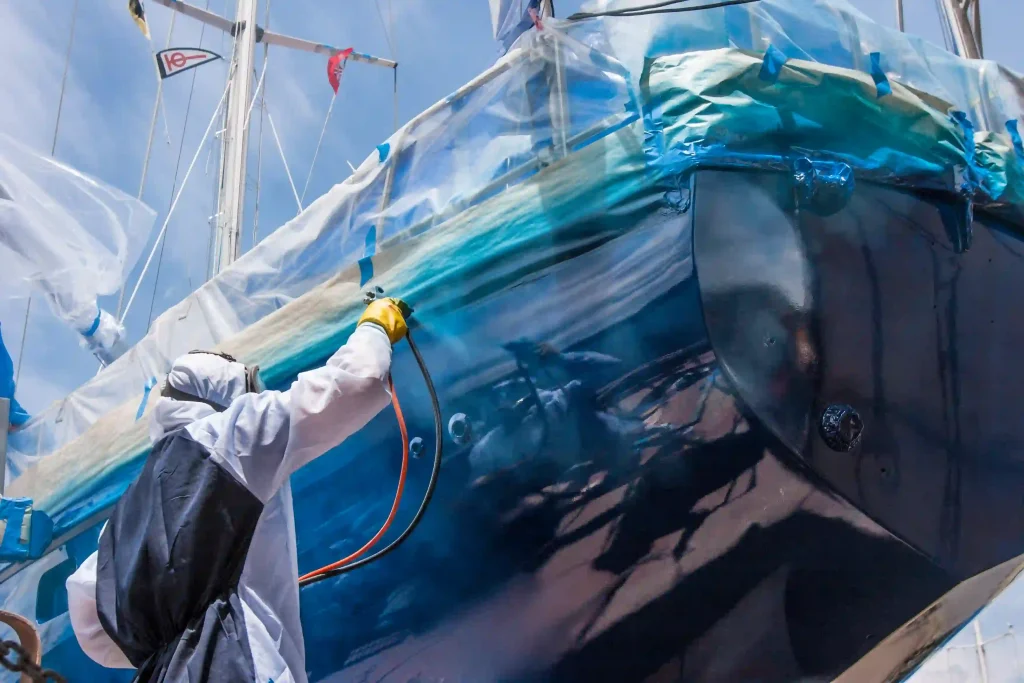
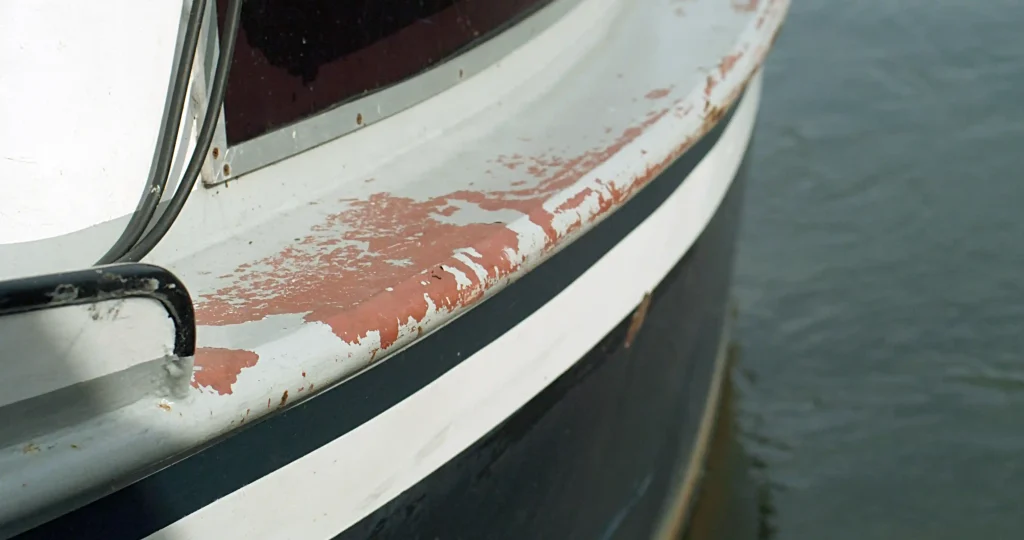
- Fiberglass Repair: Timely repairs for hull damages ensure vessel integrity, crucial for safe anchoring conditions.
These services provided by Norton Yachts address essential aspects of boat readiness for safe anchorage.
How Can Dockage and Mooring Facilities Support Chesapeake Bay Boaters?
Boaters can also benefit from various dockage and mooring facilities strategically located throughout the Chesapeake Bay. These facilities provide essential services to support anchoring practices, including:
- Safe Moorage: Facilities offer safe and secure spaces to moor boats, keeping vessels protected from adverse weather conditions.
- Maintenance Support: Many facilities provide onsite maintenance, making it easy for boaters to schedule regular checks while anchored.
- Access to Amenities: Facilities often have access to sanitation, power, and water to help support long-term anchoring experiences.
Utilizing local facilities helps ensure boaters’ peace of mind while enjoying the bay.
Why Enroll in a Sailing School for Better Chesapeake Bay Anchorage Skills?
Sailing schools offer invaluable education that can significantly enhance anchoring skills essential for safe boating experiences. Through formal training, boaters learn effective techniques and critical information related to proper anchoring.
How Does Norton Yachts’ Sailing Education Improve Anchorage Navigation?
At Norton Yachts, the sailing school focuses on practical training, which includes:
- Navigation Techniques: Courses teach students to understand navigational charts and specific anchoring procedures tailored to the Chesapeake.
- Hands-On Lessons: Practical lessons emphasize real-world anchoring skills, ensuring students gain applicable knowledge.
- Expert Instructors: With insights from experienced sailors, students learn the importance of safety and effective equipment use.
This educational investment pays dividends in ensuring boaters feel confident and knowledgeable while anchoring.
What Are the Key Training Topics for Safe Anchorage in Chesapeake Waters?
The sailing education at Norton Yachts covers important training aspects that enhance anchoring safety, including:
- Weather Awareness: Understanding how weather impacts navigational decisions.
- Equipment Handling: Proper use of anchors and ropes.
- Local Regulations: Familiarization with anchoring rules and safety guidelines in Chesapeake Bay.
These essential elements contribute to a boater’s ability to navigate the bay safely and effectively. Learning about anchorage skills is crucial.
What Boat Types Are Best Suited for Chesapeake Bay Anchorages?
Choosing the appropriate vessel type is also critical for optimizing anchoring experiences on the Chesapeake Bay. Each vessel type offers unique benefits and considerations for anchoring.
How Do Sailboats, Powerboats, and Pontoons Compare for Bay Anchorage?
Each category of boat serves different anchoring purposes:
- Sailboats: Ideal for those seeking leisurely experiences, they offer stability and are often designed for performance in varied conditions.
- Powerboats: Perfect for faster journeys, powerboats allow boaters to reach various anchorages effortlessly, making them versatile for day trips.
- Pontoons: Known for their spaciousness, pontoon boats are family-friendly and great for relaxing days at anchor with ample space for socializing.
Understanding the strengths and weaknesses of each boat type helps prospective boaters choose a vessel suited for their requirements.
Which Boats Does Norton Yachts Recommend for Chesapeake Bay Boaters?
Norton Yachts offers several recommendations to enhance boating experiences in the Chesapeake Bay. You can browse the full range of Boats for Sale, including:
- Sailboats equipped for long-range voyages.
- Powerboats designed for both efficiency and comfort when navigating the bay.
- Pontoons tailored for family gatherings or leisure outings.
These options align well with the anchorage needs of various boaters, ensuring that they can enjoy what the Chesapeake has to offer.
What Local Regulations and Environmental Factors Affect Chesapeake Bay Anchoring?
Boaters must be aware that local regulations and environmental factors shape the anchoring landscape in the Chesapeake Bay, influencing where and when to anchor.
What Are the Mooring and Anchorage Rules Boaters Must Follow?
Understanding the anchoring rules in the Chesapeake Bay is crucial for a safe experience. Key rules include:
- Designated Areas: Only anchoring in designated areas helps protect sensitive environments and meets local regulations.
- Environmental Guidelines: Respecting wildlife and plant life ensures sustainability of the bay.
- Safety Protocols: Familiarity with emergency protocols and maintaining awareness of surrounding conditions is essential for all boaters.
Adhering to these guidelines not only maintains the beauty of the Chesapeake Bay but also supports community safety.
How Do Environmental Considerations Influence Anchorage Choices?
Environmental factors play a critical role in determining suitable anchorage locations. Key considerations include:
- Water Depth: Understanding local waters’ depth can prevent grounding and ensure safe anchoring practices.
- Current Strength: Familiarity with current patterns helps in boat positioning and maintaining stability while anchored.
- Marine Life Protection: Awareness of marine biodiversity is vital to preserving the bay’s natural habitat.
These environmental insights ensure that boaters can anchor responsibly while enjoying the utmost safety.