
Bennington QX vs LX vs R Series: Which Pontoon Is Best for Entertaining?
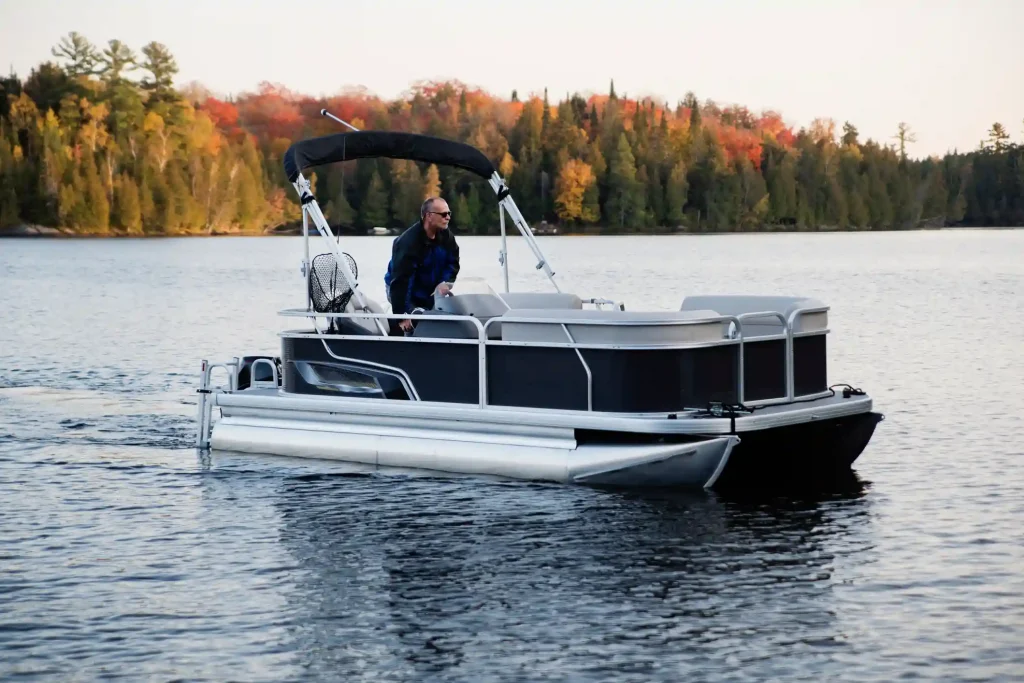
Bennington’s lineup is intentionally broad. They make boats for families, for performance buyers, for fishing, and for the crowd that wants a floating living room with a sound system and enough seating for everyone they know. If entertaining on the water is your primary use case, three series stand out: the QX, the LX, and the R Bowrider. Norton Yachts is an authorized Bennington dealer in Deltaville, Virginia. This comparison is based on dealer experience and feedback from buyers after their first full summer — not on what the spec sheet says, but on what actually makes people happy. The Three Lines at a Glance QX LX R Bowrider Tier Flagship Premium mid-tier Entry / family Hull Triple-tube tritoon Standard or tritoon Twin-tube or tritoon Performance High-performance outboards Balanced performance Sporty profile Layout Flagship entertaining features standard Luxury amenities at mid-range price Open bow, family entertainment Bennington QX: Built for People Who Do Not Compromise The QX is Bennington’s answer to every buyer who said “I want everything.” Performance tubes rated for high-horsepower outboards. Standard luxury upholstery that competing brands charge as an option. Flagship sound systems, LED lighting packages, and a helm station that feels considered rather than assembled. For entertaining, the QX delivers in three specific ways: seating volume (a 25 QX seats 12 to 14 people without feeling cramped), sound system quality (the premium audio package is genuinely good — not marine-audio-good, but living-room-good), and aft deck design that makes the social area at the back of the boat functional for groups rather than just rows of seats. Performance means the QX can also move. A 25 QX Sport with twin 250HP runs at 45+ MPH. If you want to tow a tube at speed and then anchor for hours with music and drinks, the QX is the only Bennington that does both at the top level. Price reality: a fully configured 25 QX Sport is a $120,000 to $150,000+ boat. That price point requires a buyer who has decided a pontoon is the right platform and is unwilling to give up anything to get there. Bennington LX: The Smart Buy for Most Entertaining Buyers The LX is where most serious entertaining buyers end up when they evaluate the lineup honestly. It offers the vast majority of the QX’s entertaining features — including premium upholstery grades, the upgraded helm station, the sound system, and flexible layout options — at a price point $20,000 to $40,000 lower than a comparable QX. The LX is available in standard twin-tube and tritoon configurations. The tritoon upgrade adds meaningful performance and stability for larger groups — if you regularly have 10 or more people aboard, the tritoon LX handles the weight distribution better than the twin-tube version. Where the LX is not the QX: top-end speed, the specific performance tube engineering of the QX Sport package, and the absolute flagship equipment specification. For buyers who cruise at 20 to 25 MPH and entertain more than they performance-boat, this distinction does not matter in practice. Bennington R Bowrider: When Appearance and Versatility Matter The R Bowrider brings a different aesthetic to the Bennington lineup. The open bow design — a forward seating area that wraps rather than encloses — creates a look closer to a runabout than a traditional pontoon. For buyers who have resisted pontoons because of how they look, the R Bowrider is frequently the model that changes their mind. For entertaining, the open bow has a specific social advantage: guests in the bow face each other, which facilitates conversation. Combined with the aft cockpit seating, the R Bowrider creates two distinct social zones on the boat. The trade-off is total seating capacity. The open bow reduces the raw seat count compared to an equivalently-sized closed-bow pontoon. For groups of 8 to 12, the R Bowrider’s layout is well-matched to the social use case. For groups of 14+, the QX or LX provides more total seating. Check our comparison guides from our experts: Leader 9 vs NC 895 vs Merry Fisher Jeanneau Sun Odyssey 440 vs 490 Which One Should You Buy for Entertaining? Buy the QX if: you want performance and luxury simultaneously, you entertain large groups of 10 to 16 regularly, budget is secondary to capability, and you want the Bennington that does everything at the top level. Buy the LX if: entertaining is the priority but top-end performance is not, you have 6 to 12 regular guests, and you want QX-level comfort at a more accessible price point. Buy the R Bowrider if: the open bow aesthetic matters to you, you entertain in groups of 8 to 12, you want two distinct social zones, and you want Bennington quality with a profile that reads more like a traditional powerboat. Norton Yachts is an authorized Bennington dealer in Deltaville, Virginia. Contact us to discuss which Bennington series fits your entertaining needs and to schedule a walkthrough of current inventory. Visit nortonyachts.com. Frequently Asked Questions What is the best Bennington pontoon for a large family? For families of 6 to 10 people, the LX tritoon in a 23- to 25-foot configuration is typically the best balance of seating, performance, and price. For families who entertain beyond immediate family, the QX delivers the additional capacity and feature level that makes large-group days effortless. Is the Bennington R Bowrider as fast as the QX? In comparable configurations with the same engine, the R Bowrider and QX perform similarly. What you give up in the R Bowrider is seating count, not speed. Can Norton Yachts arrange a demo on the Chesapeake? Contact us at nortonyachts.com to discuss current Bennington inventory and demo availability. We are located in Deltaville, Virginia, with direct access to the Chesapeake Bay.
Leader 9 vs NC 895 vs Merry Fisher: Which Jeanneau Powerboat Is Right for the Chesapeake?
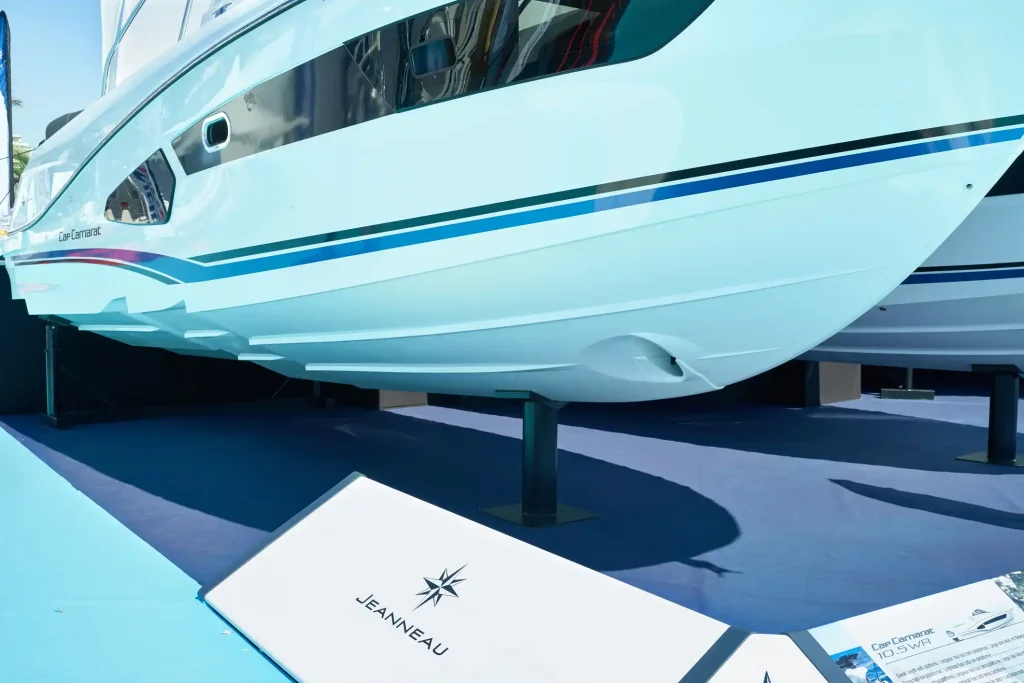
Jeanneau makes three distinct powerboat lines that sell well in the mid-Atlantic market — and they are not interchangeable. The Leader 9, NC 895, and Merry Fisher 895 are all roughly 30-foot outboard-powered boats from the same manufacturer, but they are engineered for different buyers with different priorities. If you are standing in front of all three trying to decide, this is what we tell buyers at Norton Yachts. We sell all of them. We have no incentive to steer you toward the wrong one. The Three Boats at a Glance Leader 9 NC 895 Merry Fisher 895 LOA 9.04m 9.10m 8.95m Beam 2.99m 3.38m 3.02m Style Open cockpit day cruiser Protected cabin cruiser with flybridge option Fishing and family cruising Max Power 2×150HP 2×150HP 2×150HP Sleeping Forward cabin for overnight Two sleeping cabins Fishing-oriented layout Leader 9: The Open Cockpit Day Cruiser The Leader 9 is the sports car of the three. The cockpit is maximized for outdoor living — generous seating, a sun lounge configuration, and an open transom that makes boarding from a dinghy or swim step natural. The boat is designed around a lifestyle where you are outside most of the time and below decks only for storage, head use, and occasional overnighting. It is the fastest of the three — the lighter hull and outboard-optimized design push it to 35+ MPH with appropriate power. The helm station has excellent visibility and a driver-forward ergonomic position that experienced powerboat operators prefer. The limitation is interior volume. The forward cabin provides V-berth sleeping for two adults, but serious weekending requires careful packing. If your typical use case is day cruising with four to six people and the occasional overnight marina stop, the Leader 9 covers the brief. If you regularly overnight with a second couple, look at the NC 895. Check our comparison guide Jeanneau Sun Odyssey 440 vs 490. NC 895: The Cabin Cruiser Built for the Bay The NC (New Cap) 895 is a fundamentally different boat despite similar length. The protected helm station means the driver is behind glass, which matters significantly on a cold November morning run or a mid-afternoon thunderstorm that builds faster than expected on the Bay. The NC 895 has two proper sleeping cabins — a forward VIP double and an aft cabin accessed through the cockpit. This is the right configuration for couples who want to weekend aboard without compromising sleep quality. The galley is functional, the saloon seats four, and the enclosed head has standing headroom. Trade-offs: the enclosed helm station reduces the open-air feel that draws buyers to the Leader 9. The NC 895 is heavier, which affects fuel economy and top speed (typically 30 to 32 MPH on comparable power). The flybridge option adds an elevated cockpit with seating for four and a second helm — effectively turning the boat into a two-deck platform. See our NC 1095 Fly review for context on how Jeanneau executes the flybridge concept. Merry Fisher 895: Built Around Function The Merry Fisher 895 is the working boat of the three — designed around doing things on the water rather than simply enjoying it. Fishing-oriented buyers will notice the wider gunwales, the more straightforward cockpit layout, the rod stowage provision, and the livewell option. Do not dismiss the Merry Fisher as a one-dimensional fishing boat. The cabin is comfortable, the ride in chop is deliberate and planted (Jeanneau specifically tuned the hull for sea-keeping in open water), and families who use the boat for diving, crabbing, fishing, and day cruising find it handles all those activities without forcing a compromise. Where it falls short versus the Leader 9 and NC 895: the Merry Fisher is not built for luxury buyers. The cockpit seating is practical rather than elegant. If how the boat looks at the dock matters to you, the Merry Fisher is the wrong choice. If what it does on the water is what counts, it is a serious contender. Which One Should You Buy? Buy the Leader 9 if: your typical day is 4 to 6 people on the water, you prioritize speed and cockpit space, you overnight occasionally but do not need two cabins, and the outdoor lifestyle is the reason you are buying a powerboat. Buy the NC 895 if: you regularly overnight with a second couple, you run the Bay in shoulder-season conditions where an enclosed helm matters, or you want a boat that functions as a comfortable weekending platform rather than a fast day trip machine. Buy the Merry Fisher 895 if: fishing, diving, or multi-purpose water activities are central to your use case, you want a durable and practical boat above an elegant one, or you are operating in open water conditions where the sea-keeping hull earns its keep. Norton Yachts is an authorized Jeanneau dealer in Deltaville, Virginia. Our team can arrange comparative walkthroughs and sea trials on any of these models. Contact us at nortonyachts.com to discuss which Jeanneau powerboat fits how you use the water. Frequently Asked Questions Which Jeanneau powerboat is best for the Chesapeake Bay? All three are well-suited to Chesapeake Bay conditions. The Leader 9 is the most popular in the mid-Atlantic market for day cruising families. The NC 895 is preferred by couples who weekend aboard frequently. The Merry Fisher suits active water sports and fishing use cases. What is the price difference between these three Jeanneau boats? All three are priced in a similar range — approximately $80,000 to $120,000 depending on engine choice and options. The NC 895 with flybridge option is the most expensive configuration. Contact Norton Yachts for current pricing on each model.
Jeanneau Sun Odyssey 440 vs 490: Which Is the Better Liveaboard Sailboat?
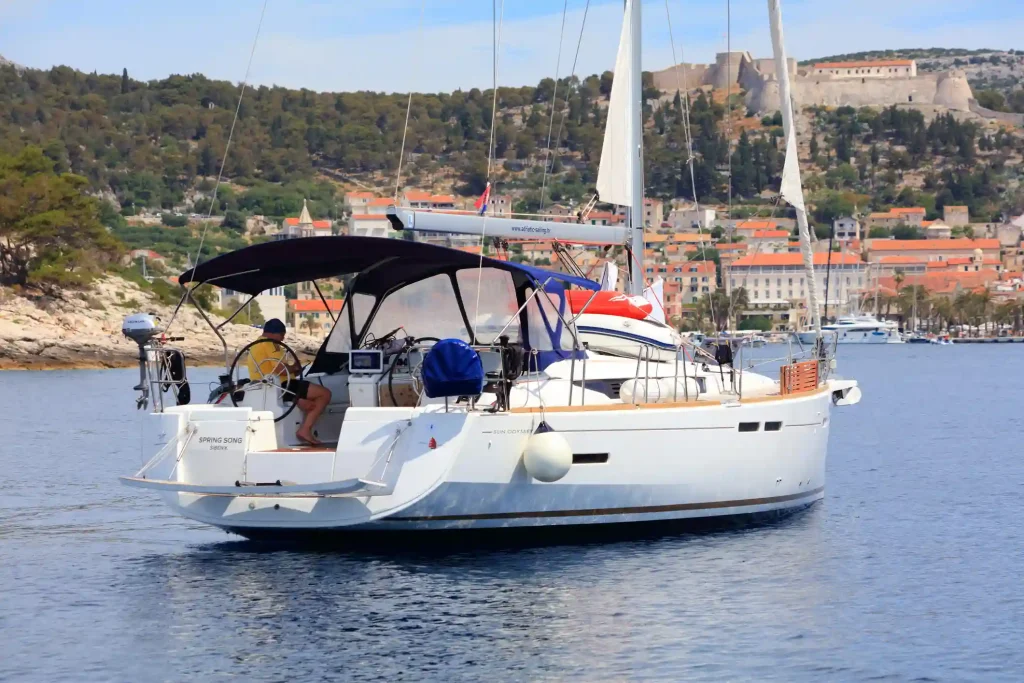
When designer Marc Lombard drew the current Sun Odyssey generation, he made one decision that changed how sailors think about these boats: he widened the stern aggressively. Both the Sun Odyssey 440 and 490 carry that philosophy — maximum beam held far aft, creating interior volume that 40- and 50-foot boats from a decade ago could not match. If you are evaluating these two boats for liveaboard use, the question is not which is better. The question is which is appropriately sized for how many people are living aboard, in what conditions, and for how long. Norton Yachts, as an authorized Jeanneau dealer in Deltaville, Virginia, has worked through this decision with dozens of buyers. Here is what the comparison actually looks like. Sun Odyssey 440 vs 490: At a Glance Sun Odyssey 440 Sun Odyssey 490 LOA 13.54m (44.4 ft) 15.12m (49.6 ft) Beam 4.21m (13.8 ft) 4.83m (15.8 ft) Draft 2.01m – 2.17m 2.10m – 2.38m Displacement 9,500 kg 13,500 kg Layout 3 or 4-cabin 3, 4, or 5-cabin Interior Volume: The Real Liveaboard Test The 490’s beam is 0.62m wider than the 440’s — that is almost two feet of additional beam, and you feel every inch of it below decks. The 490 owner’s cabin, in the standard layout, runs the full width of the aft section of the boat. It is a bedroom, not a berth. In a two-person liveaboard scenario, both cabins are livable. In a four-person scenario — two couples — the 440’s second cabin starts to feel like a guest room on an airplane, and the 490’s second cabin maintains real-world dignity. The saloon comparison follows the same logic. The 490’s saloon seats six at the table without asking anyone to climb over another person. The 440 is comfortable for four, manageable for six only with people who are comfortable being physically close. If you entertain at anchor regularly — a common liveaboard social pattern — the 490’s saloon is not a luxury, it is a practical requirement. Galley comparison: the 490 galley has a full three-burner cooktop, a large refrigerator, a separate freezer compartment, and meaningful counter space. Cooking a real meal for four people in the 440 galley requires choreography. In the 490, it is just cooking. Sailing Performance: Does Size Matter Here? The 440 is the more nimble boat. It is 4,000 kg lighter, has less wetted surface, and with its standard 46 m² upwind sail plan, moves well in the light to moderate air typical of Chesapeake Bay summer afternoons. Tacking the 440 in confined anchorages requires less planning. The 490 is not a slow boat — its upwind sail area of 60 m² keeps pace with similarly-sized production cruisers — but it requires more deliberate handling. In light air under 8 knots, the extra displacement is noticeable. In breeze above 15 knots, the 490 becomes more settled and comfortable, where the 440 starts asking questions about reef decisions. For liveaboard buyers who are actively cruising — moving between anchorages, completing coastal passages — the 440’s performance advantage is meaningful. For buyers whose primary liveaboard scenario is a marina slip with occasional passages, the 490’s additional comfort outweighs its performance trade-off. Marina and Anchorage Logistics A 44-foot boat fits in more slips than a 49-foot boat. That is not a trivial consideration for liveaboards navigating the mid-Atlantic marina market, where large slips at well-located marinas are frequently spoken for. The 440 also pays lower slip fees, lower haul-out costs, and lower dock fees at bridges. For liveaboards planning to cruise the Bahamas, the 490’s draft (2.10 to 2.38m) requires more careful passage planning in shoal-draft areas. The 440 is 6 to 12 inches shallower depending on configuration, which opens more anchorages and simplifies bank crossings. Price Comparison The Sun Odyssey 440 starts in the mid-$300,000 range fully equipped. The Sun Odyssey 490 starts around $450,000 and scales significantly with layout choices, performance options, and installed systems. For liveaboards configuring these boats properly — watermaker, full electronics, solar and lithium power, AC — add $40,000 to $80,000 to either base price. Check our expert reviews about the best boats on the market: Bennington QX Series Review Jeanneau NC 1095 Fly Review Saffier SE 33 Life Review The Verdict: Which Should You Buy? Buy the Sun Odyssey 440 if: you are a couple living aboard solo, you cruise actively and value sailing performance, slip cost or availability matters, or your budget is under $400,000 fully equipped. Buy the Sun Odyssey 490 if: you are two couples living aboard or regularly hosting guests, you prioritize living comfort over performance, you primarily cruise between well-serviced marinas, or budget is secondary to quality of life aboard. Norton Yachts is an authorized Jeanneau dealer in Deltaville, Virginia, serving liveaboard buyers and cruising sailors throughout the mid-Atlantic. Contact our team at nortonyachts.com to discuss the Sun Odyssey 440 or 490 and which configuration fits your actual sailing plans. Frequently Asked Questions Is the Sun Odyssey 440 good for full-time liveaboard sailing? Yes — many couples live aboard the 440 full-time without significant compromise. The layout is genuinely livable, storage is adequate for long-term cruising, and the performance keeps passages enjoyable. It is a serious liveaboard boat. How many people can comfortably live on a Sun Odyssey 490? Two people live on the 490 in genuine comfort. Three to four people can live aboard in the standard layout with private cabins for couples. The 490’s beam makes it the more dignified choice for two-couple liveaboard scenarios. Can I see both boats at Norton Yachts? Contact us to discuss current inventory and available demo units. Norton Yachts arranges walkthroughs and sea trials for buyers comparing Sun Odyssey models in the mid-Atlantic region.
Jeanneau Leader 9 Review: A Capable Day Cruiser for the Chesapeake Bay
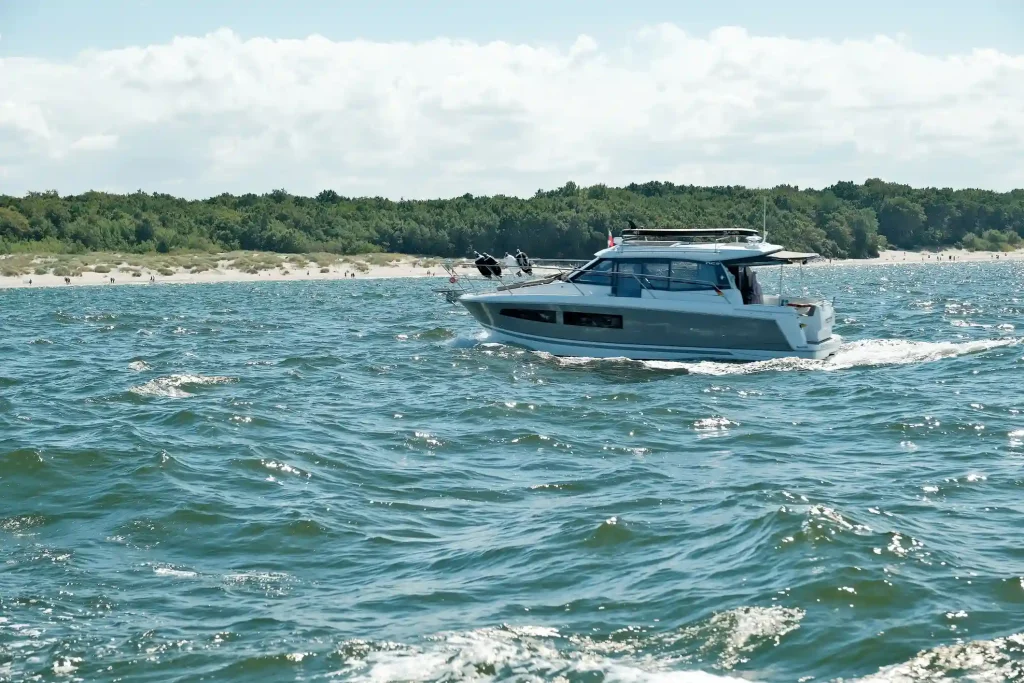
The Jeanneau Leader line is built around a straightforward question: what does a family who wants to spend serious time on the water actually need in a 30-foot powerboat? The Leader 9 answers that question with a layout that prioritizes outdoor living, a performance envelope suited to day cruising and weekending, and the build quality that Jeanneau has applied to its powerboat line consistently. Norton Yachts is an authorized Jeanneau dealer in Deltaville, Virginia. This review reflects dealer demo time and feedback from buyers who have owned Leader 9s in mid-Atlantic conditions. Jeanneau Leader 9: Specs at a Glance LOA: 9.04m (29.7 ft) | Beam: 2.99m (9.8 ft) | Draft: 0.55m outboard up Displacement: 2,640 kg | Engine: Single or twin outboard up to 2x150HP | Fuel: 280L (74 gal) | Berths: 2 (forward cabin) | Designer: Jeanneau Design / Michael Peters Yacht Design Layout and Cockpit: Where the Leader 9 Earns Its Place The Leader 9’s aft cockpit is generous for a 30-foot boat. The L-shaped seating to port converts to a sun pad, and the optional forward sun pad package turns the bow area into a legitimate lounging space. For a boat designed to take families out on the Bay for a full day — swimming, anchoring, grabbing lunch — the deck layout is logical and well-executed. The helm station is driver-forward with excellent outward visibility. The instrument cluster accommodates a chartplotter neatly, and the standard windscreen height is sufficient for runs at cruise speed. Standing at the helm for three hours on a run up the Bay is not uncomfortable — which matters more than most buyers realize when evaluating a day cruiser. The forward cabin has a V-berth sleeping for two adults. Headroom is limited at around 4.5 feet — you are sleeping here, not standing. There is a small enclosed head compartment to starboard. For an overnight marina stop mid-cruise, it is sufficient. Performance on the Water The standard single-engine Leader 9 with a 150HP outboard reaches approximately 35 MPH and cruises comfortably between 25 and 28 MPH. Fuel consumption at cruise runs around 8 to 10 GPH. Range on the 74-gallon tank is approximately 250 to 300 miles at cruise — well-suited to extended Bay runs. Twin outboard configurations (up to twin 150HP) provide redundancy and better low-speed maneuverability, particularly docking in a crosswind. For buyers operating solo or with limited docking experience, the twin-engine option is worth the additional cost. Hull behavior in Chesapeake Bay chop is predictable. In 1- to 2-foot bay chop, the Leader 9 handles cleanly. In 2 to 3 feet on a beam sea, expect some spray and moderate side-to-side motion — appropriate for a boat of this size and hull form. It is not built for open ocean conditions and does not pretend to be. Where the Leader 9 Falls Short Storage is the Leader 9’s most consistently discussed limitation. Buyers who carry full-day gear for four to six people — coolers, water toys, safety equipment, fishing tackle — run out of space. The optional extended storage console helps but reduces cockpit openness. The forward cabin is too small for serious overnighting by any couple that values personal space. Buyers who want to weekend aboard regularly should look at the NC 895 or NC 1095, which offer meaningfully more interior volume. Check our expert guides for these boat models: Jeanneau NC 1095 Fly Review Saffier SE 33 Life Review Bennington QX Series Review Who the Leader 9 Is Right For The Leader 9 is the right choice for buyers who primarily day cruise with four to six people, want an easy boat to manage, and value cockpit space over cabin size. It is well-suited to the Chesapeake Bay’s protected waters, the Potomac river system, and comparable coastal environments. Buyers who want to overnight regularly or need cabin space for two couples should step up to the NC 895 or NC 1095. Jeanneau Leader 9 Pricing New Leader 9 pricing starts around $80,000 to $95,000 depending on engine configuration and options. Contact Norton Yachts for current pricing and available inventory. Norton Yachts is your authorized Jeanneau dealer in Deltaville, Virginia. Contact our team to discuss the Leader 9, current pricing, and available inventory. Frequently Asked Questions How does the Jeanneau Leader 9 compare to the Leader 10.5? The Leader 10.5 (34 ft) adds roughly 5 feet of LOA, a full second cabin aft, and significantly more storage. It also adds roughly $40,000 to $60,000 in price. If overnighting and interior space matter, the 10.5 is worth the step up. If you primarily day cruise with occasional overnight stops, the Leader 9 covers the use case at a lower price point. Is the Jeanneau Leader 9 good for fishing on the Chesapeake? It works for casual fishing — there is reasonable cockpit space and an open transom design — but it is not purpose-built for fishing. If fishing is your primary use, the Merry Fisher line is the better fit. Can I test drive a Jeanneau Leader 9 at Norton Yachts? Contact us to check current demo availability. Norton Yachts arranges sea trials on the Chesapeake for qualified buyers out of Deltaville, VA.
Bennington QX Series Review: Luxury Pontoon Performance Without the Compromise
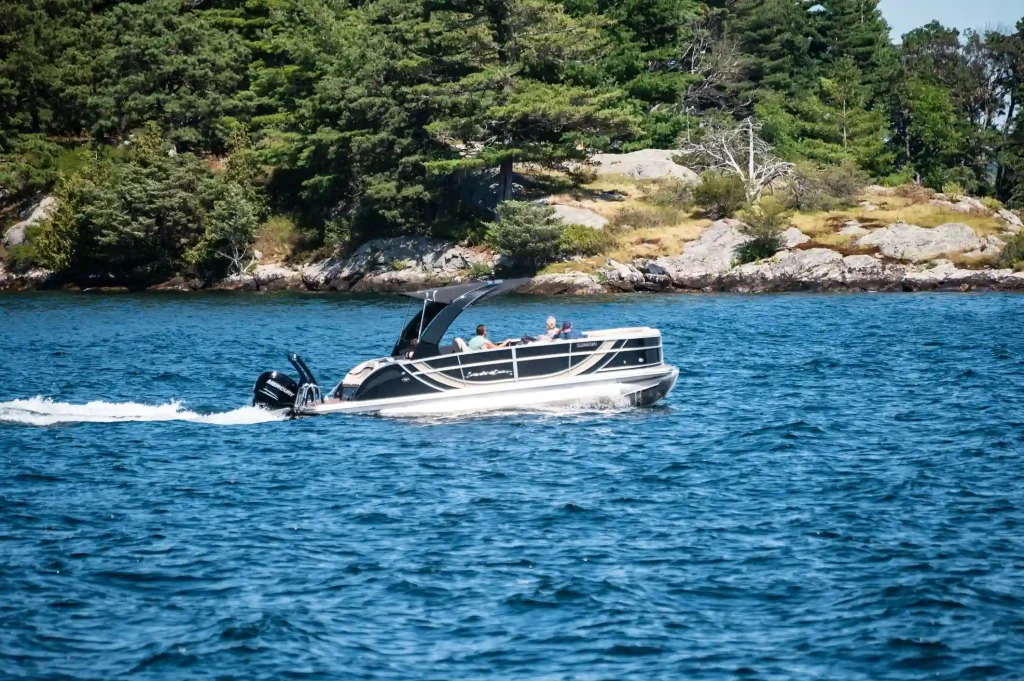
The Bennington QX Series is the line that made other pontoon manufacturers reassess what a tritoon could be. It is not a standard pontoon with a marketing upgrade — it is a purpose-built performance platform with genuine luxury features, and it remains one of the strongest reasons Bennington holds the top position in the premium pontoon segment. Norton Yachts in Deltaville, Virginia is an authorized Bennington dealer. This review is based on dealer experience, sea trial feedback from buyers, and first-hand evaluation of the QX Series across multiple model years. Bennington QX Series Overview The QX Series sits at the top of Bennington’s lineup — above the S Series and L Series in both price and performance specification. The defining feature is the triple-tube pontoon platform, which provides the stability, speed capability, and load-carrying capacity that performance pontoon buyers demand. QX models are available from 22 to 30 feet. The 25 and 27-foot configurations are the most common choices in the mid-Atlantic market, where larger groups, performance boating, and entertaining on the water define how buyers use their boats. Performance: What the Triple Tube Delivers The QX Series is rated for up to 600 horsepower in the largest configurations. Most buyers in this region run the 25 QX with twin 200HP or 250HP outboards, which pushes the boat to 45 to 50 MPH — territory that most runabouts occupied just a decade ago. The performance tubes use Bennington’s patented lifting strakes and a proprietary under-nose design that reduces bow lift at speed. The QX rises to plane more cleanly than a standard pontoon and tracks straight through turns. At 35 MPH in a slight chop, the hull does not feel like a floating living room — it behaves like a boat that knows what it is doing. The hydraulic steering standard on QX models is a meaningful upgrade over the cable steering found on lower-tier pontoons. Helm feedback is precise, and the steering effort at speed is appropriate without being heavy. Luxury Features and Finish Quality The QX Series comes standard with furniture-grade upholstery using marine-grade vinyl that outperforms what competing brands list as optional upgrades. The Bluetooth audio system, LED lighting package, and stainless hardware are not stripped-down versions of these features — they are specified to the level that high-end buyers expect. The captain’s helm station features a panoramic instrument cluster, a centrally mounted touchscreen display, and a wheel design that feels substantial. Combined with the elevated helm seat and padded armrest, it is a comfortable place to spend three or four hours on the water. Optional features that Chesapeake Bay buyers frequently add include: the Luxury Stern package with a rear swim deck and water-level lounge seats, the Performance Package with upgraded tubes and lifting strakes, and a Premium Ski Tow bar for families who wake surf. Norton Yachts can walk you through the full build sheet options. Where the QX Series Falls Short At rest in a beam wind at the fuel dock, a 30-foot tritoon with 600 horsepower is not an easy boat to manage alone. This is physics, not a design flaw — but first-time pontoon owners should practice docking before attempting single-handed operation in tight quarters. The storage configuration on some QX layouts prioritizes seating over locker space. If you carry multiple sets of water sports equipment, fenders, dock lines, and coolers simultaneously, you will need to make decisions about what stays on the boat. Top-end QX models with full option packages cross $150,000 and can approach $200,000. That is a legitimate premium pontoon price that buys legitimate performance and quality — but buyers surprised by this number should look at the L Series as a starting point. Check our Jeanneau NC 1095 Fly Review & our Saffier SE 33 Life Review. Who the Bennington QX Is Built For The QX is built for buyers who have decided that a pontoon is the right boat for their lifestyle, and who are unwilling to give up performance to get there. Families who entertain regularly, boaters who want a fast and comfortable platform for multi-hour runs on the Bay, and buyers who routinely have 8 to 12 people aboard will find the QX delivers on its premise. Bennington QX Series Pricing QX Series pricing starts around $85,000 for entry 22-foot configurations and scales to $180,000+ for fully optioned 30-foot models. Contact Norton Yachts for a current quote and availability at nortonyachts.com. Interested in the Bennington QX Series? Norton Yachts is an authorized Bennington dealer in Deltaville, Virginia. Our team can walk you through current inventory, build options, and arrange a demo on the Chesapeake. Frequently Asked Questions How fast does a Bennington QX tritoon go? A 25 QX Sport with twin 300HP outboards reaches 50 to 55 MPH in calm water. Most buyers cruise in the 30 to 40 MPH range for comfort and fuel efficiency. Speeds vary with engine choice, load, and sea conditions. Is the Bennington QX worth the premium over the L Series? For buyers who prioritize top-end speed, performance handling, and flagship luxury features — yes. For buyers who primarily entertain at rest or cruise at moderate speeds, the L Series delivers 85% of the QX experience at a meaningfully lower price point. We recommend a comparative demo before deciding. Does Norton Yachts have Bennington QX inventory available? Bennington inventory moves quickly in the mid-Atlantic market. Contact Norton Yachts directly at nortonyachts.com to check current stock and schedule a walkthrough or water demo.
Jeanneau NC 1095 Fly Review: The Flybridge Cruiser for the Chesapeake and Beyond
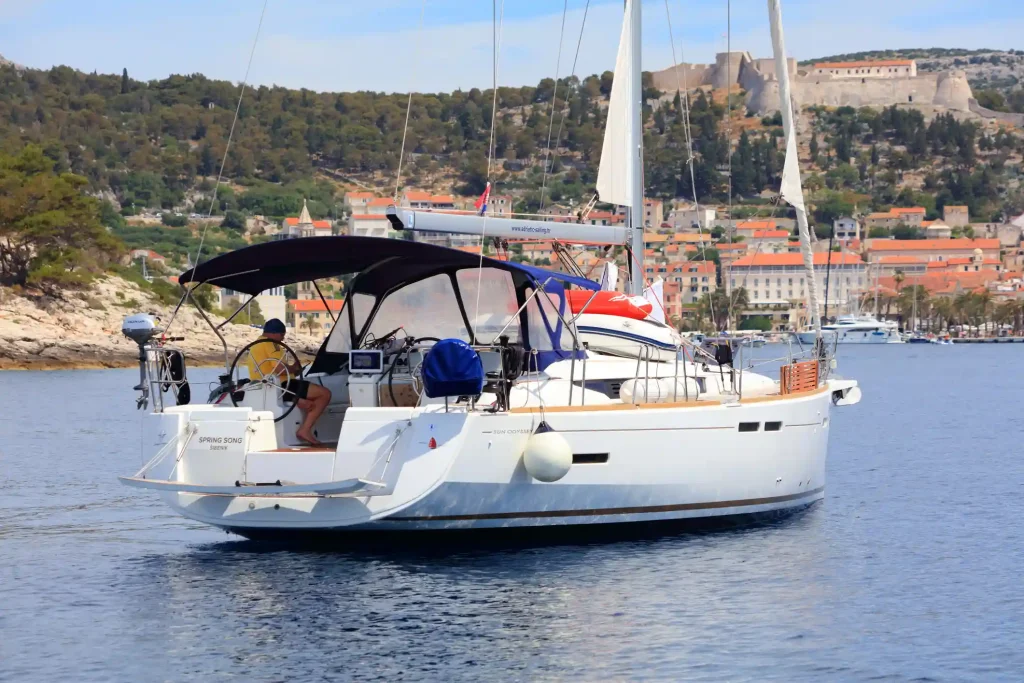
The Jeanneau NC series was built for people who want a serious cruising powerboat without the complexity and cost of a traditional express cruiser. The NC 1095 Fly takes that formula and adds a flybridge — giving you an elevated helm station, a second outdoor living space, and a profile that turns heads at the fuel dock. Norton Yachts is an authorized Jeanneau dealer serving the mid-Atlantic region from Deltaville, Virginia. This review reflects extended time on the water with NC 1095 demo units and direct feedback from buyers who have put real hours on these boats. Jeanneau NC 1095 Fly: Specs at a Glance LOA: 11.00m (36.1 ft) | Beam: 3.70m (12.1 ft) | Draft: 0.88m (2.9 ft) Displacement: 6,840 kg | Engines: Twin outboard up to twin 300HP | Fuel: 500L (132 gal) | Water: 200L | Berths: 4 | Design: Philippe Briand / Jeanneau Design The Flybridge: Why It Changes the Boat The flybridge on the NC 1095 Fly is the reason most buyers choose it over the standard NC 1095. At anchor, it is a second cockpit with seating for four to six, a wet bar, and an unobstructed view of whatever anchorage you have pulled into. Underway, it gives the helmsman elevated sight lines — important when reading the water in the shallows of the Bay. Helm ergonomics up top are well considered. The wheel, throttle controls, and electronics displays are positioned for comfort on long runs. The standard windscreen is taller than what you find on many European flybridge designs, so you are not fighting spray on runs above 20 knots in a chop. The fold-down section of the flybridge railing on the port side allows guests to come up from the cockpit without stepping over a fixed rail — a small detail, but one you appreciate after a season of boarding and departing with a mixed group. Interior Layout and Cabin Quality The saloon on the NC 1095 Fly is where Jeanneau made strong decisions. The convertible dinette to port seats four for dinner and converts to a double berth for a third sleeping space if needed. The galley is fully appointed — a real cooking space with a three-burner stove, refrigerator/freezer, and counter space that a second person can actually use while you prep. The forward VIP cabin has a double berth with reasonable standing headroom (6.0 ft) and a proper hanging locker. The aft cabin accessed from the cockpit is compact — comfortable for a couple on weekends, not oversized. Joinery quality is consistent with what Jeanneau delivers across the NC line: teak and holly sole, white gloss cabinetry, stainless hardware throughout. Performance on the Chesapeake Twin 200HP outboards push the NC 1095 Fly to a comfortable cruise of 22 to 24 knots. Wide-open throttle reaches approximately 30 to 32 knots in flat water. The flybridge adds windage, so do not expect the same top end as the standard NC 1095 — but for a cruising application, the performance envelope is more than adequate. The hull handles Bay chop well in beam seas up to 2 feet. In a following sea above 2.5 feet, the flybridge boat’s higher center of gravity becomes noticeable — less forgiving than the low-profile standard version, though not dangerous. Fuel economy at cruise runs approximately 18 to 22 GPH combined on twin 200s, giving a practical range of around 200 nautical miles before you want a fuel dock. What We Would Change The standard electronics package is adequate but unexceptional. Most buyers upgrade to a Garmin or Simrad multifunction display system before delivery — budget for it. Cockpit storage is also tighter than you might expect for a 36-foot boat. The optional cockpit storage console addresses this but is not standard equipment. The swim platform is functional but not generous. For a boat at this price point, a slightly wider platform would have been the right call for boarding from a dinghy. Who the NC 1095 Fly Is Right For The NC 1095 Fly is the right boat for couples and families who want to cruise the Chesapeake and beyond in genuine comfort — extended weekends, week-long Bay passages, anchoring out multiple nights. If you want to run fishing tournaments or need extensive cockpit workspace, look at the NC 895 or Leader series instead. Check the Saffier SE 33 Life Review by our experts. Jeanneau NC 1095 Fly Pricing Current pricing for the Jeanneau NC 1095 Fly runs from approximately $275,000 to $340,000+ depending on engine configuration, electronics package, and optional equipment. Build-to-order lead times from France typically run 6 to 12 months. Contact Norton Yachts for current allocated inventory and delivery windows. Norton Yachts is an authorized Jeanneau dealer in Deltaville, Virginia. Contact our sales team to discuss the NC 1095 Fly, request a sea trial, or explore current inventory and build slots. Frequently Asked Questions How does the NC 1095 Fly compare to the standard NC 1095? The flybridge version adds roughly $20,000 to $25,000 in cost, approximately 300 lbs in weight, and significantly more outdoor living space. For buyers who entertain or cruise extensively, it is usually worth it. Buyers focused purely on performance or fishing utility tend to prefer the standard NC 1095. Can the NC 1095 Fly be operated single-handed? Yes, with practice. The joystick docking system available as an option makes single-handed maneuvering considerably more manageable. The elevated flybridge helm also provides better visibility in close quarters. Is the Jeanneau NC 1095 Fly available for sea trials at Norton Yachts? Contact us to discuss current demo availability. Norton Yachts arranges sea trials for serious buyers on the Chesapeake out of Deltaville, VA.
Saffier SE 33 Life Review: What You Need to Know Before You Buy
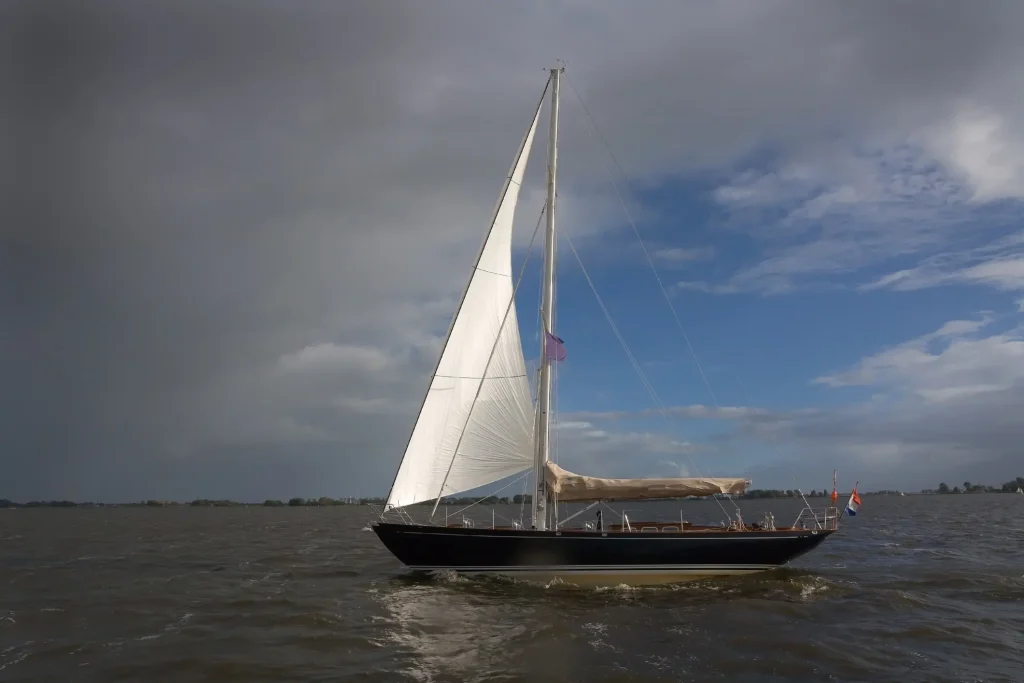
Most 33-foot sailboats ask you to choose between performance and ease of handling. The Saffier SE 33 Life is built around the idea that you should not have to. It’s a Dutch-designed coastal cruiser with a following among single-handed and short-handed sailors that is difficult to explain until you have stood at the helm. Norton Yachts in Deltaville, Virginia is one of the few authorized Saffier dealers in the United States. When we review this boat, we are telling you exactly what we tell buyers who walk through our door — not what a press release says. Saffier SE 33 Life: Specs at a Glance LOA: 10.10m (33.1 ft) | Beam: 3.30m (10.8 ft) | Draft fixed keel: 1.75m | Draft lifting keel: 0.80m / 1.70m Displacement: 4,600 kg | Upwind sail area: 54.5 m² | Engine: 20 HP diesel | Berths: 4 | Designer: Judel/Vrolijk & Co. | Builder: Saffier Yachts, Netherlands What Makes the SE 33 Life Stand Out The SE 33 Life is not an entry-level boat with an upmarket price tag. It is a thoughtfully engineered vessel built to do one specific job well: get a solo sailor or a couple on the water with minimal hassle and maximum confidence. The cockpit is where Saffier made decisions that most production builders would not. All sail controls lead aft to the helm, so you can trim the main, adjust the furler, and handle the traveler without leaving the wheel. This is not a feature you appreciate until you are alone at the helm in 18 knots of breeze on the Chesapeake, and then it is the only thing you notice. The lifting keel option deserves serious attention for sailors operating in shoal-water areas. With the keel raised, draft drops to 0.80m — shallow enough for most of Maryland’s Eastern Shore anchorages. It deploys and retracts hydraulically, and the mechanism is reliable. Saffier has been building these boats since 1983. They have sorted out the engineering. Below decks, the SE 33 Life delivers more usable volume than its 33-foot LOA implies. The standard layout provides a double V-berth forward, a full galley to port, a nav station to starboard, and a dedicated aft cabin with a double berth. For a couple cruising the Bay on weekends, it does not feel like a compromise. Build quality is where Dutch manufacturing earns its reputation. Gelcoat finish, hardware fitment, and joinery are above what you will find in comparable French or American production boats at similar price points. Saffier builds roughly 80 boats per year. This is not a volume manufacturer cutting corners. Where the SE 33 Life Falls Short Interior headroom is 1.90m (6.2 ft) — adequate for most, limiting for sailors over 6’3″. Walk through the boat before committing. Upwind in light air under 8 knots, the SE 33 Life is not exciting. The hull is built for efficiency and comfort, not racing. Sailors who want to chase race marks will find the performance honest but not inspired. Parts availability in the US is a question buyers ask. As Saffier’s North American dealer, Norton Yachts keeps common wear items in stock, and Saffier’s factory support is responsive — but lead times on custom components can run longer than with mass-market brands. The 55-liter fuel tank also limits extended motoring range; plan your fuel state on windless passages. Who the SE 33 Life Is Built For This boat was designed with single-handed and two-person sailing at the center of every decision. If you are a solo sailor who values confidence over speed, a couple who wants a serious coastal cruiser without hiring crew, or a racer who is done chasing fleet rankings and wants a boat that is genuinely easy to manage — the SE 33 Life is worth a serious look. It is not the right boat for large crews, families needing significant interior space, or sailors whose primary goal is offshore bluewater passage making. For those buyers, we would point you toward the Jeanneau Sun Odyssey 440 or 490. Saffier SE 33 Life Pricing New SE 33 Life pricing starts in the low-to-mid six figures depending on specification, keel choice, and installed options. The lifting keel adds meaningful cost and meaningful capability. Saffier builds to order, and lead times from the Netherlands typically run 8 to 14 months for new builds. Pre-owned SE 33 Life inventory is limited in the US given Saffier’s production volumes, which has kept residual values strong. Contact Norton Yachts for current availability and pricing. Ready To See The Saffier SE 33 Life In Person? Norton Yachts is the authorized Saffier dealer for the mid-Atlantic region. Contact us in Deltaville, VA to arrange a walkthrough, discuss pricing, or talk through whether the SE 33 Life fits how you actually sail. Frequently Asked Questions Is the Saffier SE 33 Life a good liveaboard? It works as a part-time or weekend liveaboard for one or two people, but it is not purpose-built for full-time living. If full-time liveaboard sailing is your goal, the Saffier SE 37 or a Jeanneau Sun Odyssey 440 would be a better fit. Where can I buy a Saffier SE 33 Life in the United States? Norton Yachts in Deltaville, Virginia is an authorized US dealer for Saffier Yachts. Contact us to discuss current build slots, pricing, and available inventory. How does the SE 33 Life sail compared to a Jeanneau Sun Odyssey 33? The SE 33 Life prioritizes short-handed ease over raw performance. A Jeanneau Sun Odyssey offers similar volume with a different design philosophy. Which is better depends entirely on how you sail. We encourage a sea trial of both before deciding. Does the SE 33 Life have a lifting keel option? Yes. The lifting keel version reduces draft to 0.80m with the board raised, making it an excellent choice for the Chesapeake Bay, Pamlico Sound, and other shoal-draft sailing areas.
Don’t Get Stranded: Finding Expert Boat Repair in Virginia
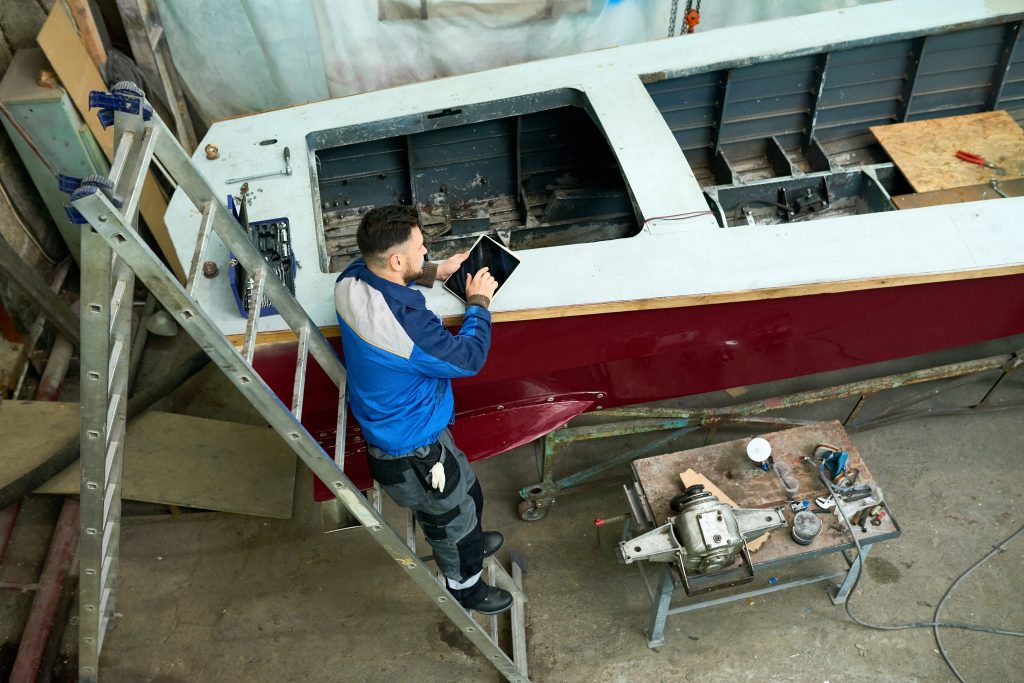
January 15, 2026 | Miscellaneous Why Virginia Boat Owners Need Expert Marine Repair Services Boat repair Virginia services are essential for maintaining vessels in the demanding conditions of the Chesapeake Bay, where saltwater corrosion, brackish water effects, and seasonal weather changes create unique maintenance challenges. Whether you need routine engine service, hull repairs, or complete winterization, finding a qualified marine technician can make the difference between a reliable vessel and costly breakdowns on the water. Top Boat Repair Services Available in Virginia: Key Qualifications to Look For: Virginia’s boating environment is unlike anywhere else on the East Coast. The Chesapeake Bay’s brackish water accelerates corrosion on engines and through-hulls. Summer heat causes cooling system failures. Winter freezing can crack engine blocks if winterization isn’t done properly. Storm debris damages hulls and running gear. These aren’t just inconveniences—they’re expensive problems that require experienced marine professionals to diagnose and repair correctly. The difference between a competent repair shop and an expert boatyard often comes down to certifications, equipment, and experience with the specific challenges Virginia waters present. A facility with ABYC-certified technicians, factory training, and a 35-ton or larger Travel Lift can handle everything from routine maintenance to major refits. Norton Yachts has served sail and power boat owners since 1948, offering comprehensive boat repair Virginia services including mechanical work, professional Awlgrip refinishing, complete rigging services, and secure storage—all backed by certified technicians who understand both the technical demands and the unique conditions of Chesapeake Bay boating. This guide will walk you through common boat problems, how to evaluate repair facilities, what certifications matter, and how to find trusted service providers across Virginia’s key boating regions. I’m Kendall Webre, Senior Sales Executive at Norton Yachts, where I’ve worked alongside our certified service team to help boat owners maintain their vessels through expert boat repair Virginia services for years. My experience connecting clients with our full-service boatyard has given me deep insight into what separates exceptional marine service from the rest. Common Boat Problems Virginia Owners Face Boating in Virginia offers unparalleled beauty, from the expansive Chesapeake Bay to its intricate tributaries, but it also presents a unique set of challenges for vessel maintenance. Our rich waters, while inviting, can be harsh on marine vessels. We frequently encounter issues stemming from saltwater corrosion, which relentlessly attacks metal components, and the varying salinity of brackish waters that can accelerate wear and tear. Engine overheating is a common summer complaint, often due to clogged cooling systems or impeller failures, while electrical system failures can range from minor nuisances to critical safety hazards. Fuel system issues, often related to ethanol in gasoline or contaminated diesel, can lead to engine performance problems. Of course, the ever-present risk of hull damage from debris, especially after storms, is a reality we all contend with. Blistering, a common ailment for fiberglass boats, can compromise structural integrity if not addressed promptly. At Norton Yachts, our technicians are adept at diagnosing and repairing these and many other problems, ensuring your vessel remains seaworthy and reliable. We understand the specific nuances of boating in the Chesapeake Bay and its surrounding areas, equipping us to address these challenges effectively. For further insights into local boating concerns, you can explore discussions among fellow enthusiasts on Community discussion on Chesapeake Bay boat issues. Addressing Engine and Mechanical Issues The heart of any vessel is its engine, and when it falters, your boating plans can quickly solve. Engine failure and transmission problems are among the most critical issues we handle. Whether you have an outboard or an inboard engine, or a complex diesel system, our expert team is equipped to provide comprehensive diagnostics and repairs. We offer specialized diesel engine service, crucial for many larger vessels navigating Virginia’s waters. For those looking to extend the life of their beloved boat or improve its performance, repowering options are a fantastic solution. We can guide you through the process of selecting and installing a new, more efficient engine, ensuring it perfectly matches your vessel’s needs. The value of factory-trained technicians cannot be overstated here; our team at Norton Yachts are authorized dealers for leading brands like Yanmar, Raymarine, and Fischer Panda. This means they possess an in-depth understanding of the newest engine technology and specific brand requirements, ensuring your engine receives the highest standard of care and expertise. Tackling Hull and Structural Damage The hull is your boat’s first line of defense against the elements, and maintaining its integrity is paramount. Fiberglass repair is a cornerstone of our services, addressing everything from minor dings and cracks to major structural damage. We specialize in gelcoat restoration, bringing back your boat’s original luster and protective layer. More extensive issues like transom replacement or deck repairs are handled with precision and expertise, ensuring the structural soundness of your vessel. Blister repair and barrier coating are essential for fiberglass boats, especially in the brackish waters of the Chesapeake Bay, where osmosis can be a persistent threat. Our technicians are experienced and skilled in these complex repairs, providing long-lasting solutions. And for those seeking the ultimate in finish and durability, we offer professional Awlgrip painting. Our technicians are true artists when it comes to painting hulls, delivering a flawless, high-gloss finish that not only looks stunning but also provides superior protection. For more information on our comprehensive hull and structural repair capabilities, visit our More info about Norton Yachts’ boat service center. A Comprehensive Guide to Boat Repair Services in Virginia Navigating the waters of Virginia requires a vessel in top condition, and that means having access to a full spectrum of boat repair Virginia services. At Norton Yachts, we pride ourselves on being a full-service boatyard, offering everything from routine maintenance to complex structural repairs, all under one roof. Unlike specialized marine shops that might focus on a single area, our comprehensive approach ensures that every aspect of your vessel, from bow to stern, is expertly cared for. We provide extensive mechanical and electrical services, addressing the intricate systems that keep your boat running smoothly. Our structural repair capabilities ensure your hull and
9 Essential Boat Servicing Near Me Tips for 2026
December 11, 2025 | Miscellaneous Neglecting regular boat service can lead to unexpected breakdowns, costly repairs, and even safety hazards. In 2026, evolving technologies and environmental standards make proper maintenance more crucial than ever for every boat owner. This article delivers practical, expert-backed tips to help you find and get the most from boat servicing near me. You will discover how to choose qualified technicians, leverage the latest digital tools, and embrace sustainable practices. Avoid common pitfalls, stay ahead of new trends, and enjoy hassle-free boat ownership with actionable guidance designed for today’s boating landscape. Why Regular Boat Servicing Matters in 2026 In 2026, the world of boating is more advanced and interconnected than ever. With sophisticated onboard electronics, eco-friendly propulsion, and smart safety systems, regular boat servicing near me is no longer optional but essential for responsible ownership. Modern boats are complex machines. As technology evolves, so do the skills and tools required to maintain them. Finding qualified professionals for boat servicing near me ensures that every system, from digital navigation to next-gen engines, receives expert attention. This specialized care is crucial as improper maintenance can lead to expensive and dangerous failures. The benefits of routine boat servicing near me extend far beyond just preventing breakdowns. According to BoatUS, vessels that receive scheduled maintenance experience 30% fewer mechanical failures on the water. This translates into greater peace of mind, improved safety for everyone onboard, and a stronger resale value when it’s time to upgrade. Ignoring regular maintenance can also have serious legal and financial consequences. Many insurance policies require documented upkeep, and failing to meet these standards may void your coverage in the event of an accident. Additionally, certain jurisdictions have regulations mandating specific maintenance intervals for safety equipment and environmental compliance. Environmental stewardship is another critical reason to prioritize boat servicing near me. Well-maintained engines and hulls minimize harmful emissions and reduce the risk of fuel or oil leaks. This proactive approach helps protect local waterways and supports sustainable boating practices. Consider the story of a boat owner who invested in annual checkups and digital service logs. By catching a minor engine issue early, they avoided a catastrophic breakdown and costly emergency repairs. Their commitment to regular boat servicing near me preserved both their investment and their enjoyment of time on the water. Despite these clear benefits, misconceptions persist. Some owners believe that infrequent use means less need for upkeep. In reality, inactivity can accelerate component wear, battery degradation, and corrosion. Skipping scheduled maintenance can lead to hidden problems that surface at the worst possible time. Finally, the rise of digital service records and smart diagnostics is transforming how boat owners approach maintenance. These innovations make it easier than ever to track work, receive reminders, and provide proof of care for insurance or resale. The growing yacht maintenance and refit market forecast underscores the increasing value placed on documented, professional upkeep. In summary, regular boat servicing near me is the foundation of safe, efficient, and enjoyable boating in 2026. By staying proactive, leveraging technology, and working with trusted professionals, owners can protect their vessels and contribute to a stronger, greener boating community. 9 Essential Boat Servicing Near Me Tips for 2026 Regular, proactive boat servicing is more important than ever in 2026. As boat technology evolves and environmental standards rise, owners must adapt their maintenance routines to keep vessels safe, reliable, and valuable. Use these nine expert-backed tips to master boat servicing near me, avoid costly pitfalls, and ensure smooth sailing all year round. 1. [Schedule Annual Comprehensive Inspections] Annual inspections are the cornerstone of effective boat servicing near me. Certified professionals conduct thorough checks covering the engine, hull, electronics, and safety systems. This proactive approach uncovers hidden issues before they escalate. A comprehensive inspection typically includes: Costs range from $300 to $700, depending on boat size and complexity. Leading marinas often publish detailed checklists, which can help you compare service thoroughness. According to Boating Magazine, 80 percent of breakdowns stem from missed annual checks. To find reputable providers, research online reviews and confirm certifications. The Boat Service Center Overview details what to expect from a quality local center, helping you make informed choices. A real-world example: One owner caught a minor hull crack during an annual inspection, saving thousands in future repairs. Prioritizing annual checks ensures the best value from boat servicing near me. 2. [Use Digital Maintenance Logs and Apps] Digital tools have revolutionized boat servicing near me. Maintenance logs and apps help you track every service, from oil changes to battery replacements. Top marine apps for 2026 integrate directly with modern onboard systems, syncing service reminders and diagnostics. Using digital logs streamlines warranty claims and boosts resale value, as buyers trust well-documented histories. Consider the Boatyard app, which allows owners to schedule services, log repairs, and set custom reminders. One user avoided a warranty dispute by instantly sharing their digital service record with the manufacturer. Security remains crucial. Choose apps with encrypted data storage and privacy controls. By leveraging technology, you ensure no maintenance task is forgotten, making boat servicing near me more efficient and transparent. 3. [Prioritize Engine Servicing and Diagnostics] Engine health is vital for smooth operation and safety. Advances in 2026 engine technology—such as smart sensors and real-time diagnostics—make it easier to detect issues early. Signs your engine needs immediate attention include unusual noises, smoke, or warning lights. Always choose OEM-certified technicians for engine work, as they have specialized training for new systems. A recent case: A simple diagnostic scan revealed a failing sensor, preventing catastrophic engine failure and saving the owner thousands. Engine servicing costs typically range from $400 to $900, with timelines varying based on complexity. Prioritizing engine checks through boat servicing near me ensures you address problems before they become emergencies, extending your vessel’s lifespan and reliability. 4. [Don’t Overlook Electrical Systems and Battery Care] Modern boats feature advanced electrical systems, from integrated navigation to smart lighting. These systems require regular attention to prevent breakdowns that could leave you stranded. Key maintenance tips include:
Selling Your Yacht: Services, Strategies, and Smooth Sailing
March 5, 2026 | Miscellaneous Why Choosing the Right Path to Sell Your Yacht Matters The hard part about sell your yacht on the Chesapeake isn’t posting a listing – it’s choosing the right path (and timing) so you don’t leave money on the dock or burn months on unqualified showings. Here’s the straight-ahead process that works in the Bay: Selling a yacht is a significant undertaking. Your vessel represents a major financial investment and years of memories. Whether you’re moving up to a larger yacht or transitioning out of ownership, the process rewards planning and disciplined execution. The Chesapeake Bay market has its own rhythm. Spring brings more browsers and first-time buyers; fall and winter tend to bring fewer showings but more decisive purchasers. Local conditions matter, too. Boats that live in Deltaville, the Rappahannock, or on the Western Shore see variable salinity, summer heat, and long shoulder seasons – which makes maintenance records and condition evidence more persuasive than a polished sales pitch. Many owners also underestimate the logistics. Brokerage commissions typically range from 6% to 10%, but a good broker also absorbs the heavy lift: valuation, exposure across MLS platforms, buyer qualification, coordinating surveys/sea trials, and managing closing details. I’m Kendall Webre, a Senior Sales Executive at Norton Yachts. Contact me at (804) 776-9211. Our team works daily out of Deltaville and across the Bay, and we’ve guided Chesapeake owners through the full arc of a sale – from pricing to survey day to the final signature. When you’re comparing approaches, it helps to understand the standard broker role and process; the Yacht Brokers Association of America (YBAA) overview is a useful neutral reference. Preparing Your Vessel for a First Impression First impressions are everything when your boat hits the market. In Deltaville, we know a well-prepared vessel speaks volumes about its history and the care it has received. Detailing: This goes beyond a quick wash. We recommend a deep clean inside and out. Remove personal items, declutter lockers, and ensure bilges are spotless. Polish stainless steel and condition upholstery. A professional detail can transform a tired boat into one that looks ready for its next adventure. Buyers are looking for reasons to say “yes.” Decluttering: Buyers want to envision themselves on your yacht. Personal photos and excess gear can make the space feel cramped. Store these items off the boat to create a clean, neutral canvas that allows a buyer to project their own dreams onto the vessel. Mechanical Checks: Ensure all systems are in working order before any viewings. This includes engines, generators, air conditioning, and electronics. Minor issues can raise red flags and lead to price negotiations. Our team at Norton Yachts can perform thorough mechanical inspections. Our ABYC and factory-certified technicians are experts in diagnosing issues specific to the Chesapeake Bay’s operating conditions. For more information on how our team can help, check out our professional boat service or call (804) 776-9211. Awlgrip Refinishing: For high-end vessels, an Awlgrip refinish is a strategic investment. A mirror-like finish can dramatically improve appeal and command a higher price. As a top Awlgrip painter on the Chesapeake Bay, Norton Yachts specializes in changing hulls and superstructures. This demonstrates a commitment to quality that resonates with discerning buyers. If your yacht’s finish is dull, a professional Awlgrip job can be the most impactful upgrade you make. Proven Strategies to Sell Your Yacht in the Mid-Atlantic Selling a yacht in the Mid-Atlantic goes smoother when you treat it like a project: condition, price, exposure, and paperwork – in that order. On the Chesapeake Bay, buyers also pay close attention to how a boat has been maintained through our humidity, warm summers, and brackish water. Clear records and honest presentation routinely beat “fresh paint and crossed fingers.” Valuation: Getting the price right is paramount. We consider your yacht’s make, model, condition, and equipment list, then cross-reference sold-boat data and current listings. Upgrades matter, but only the upgrades buyers will pay for (common examples: recent canvas, updated navigation, engine service history, and quality cosmetics). Market Intelligence: We track global and local patterns. Cruising sailboats often see a surge in early spring, while many motor yachts draw interest year-round. We also account for practical Chesapeake considerations – for example, whether the boat’s draft and cooling systems fit the rivers and shallow creeks buyers plan to use. Seasonal Trends: The Chesapeake Bay market has distinct seasons. Strategy Peak Spring Listing (March-May) Off-Season Strategy (Sept-Feb) Buyer Activity High, eager for summer cruising Lower, but more serious buyers Pricing Leverage Potentially higher More competitive pricing Preparation Window Requires winter prep Opportunity for major refits Showings Frequent Less frequent, but dedicated Survey/Sea Trial Can be rushed due to demand More relaxed inspections Determining the Right Asking Price Setting the right price is both an art and a science. The goal is to be credible on day one – because the first few weeks on the market are when you get your best look from qualified buyers. Market Research: We analyze recent sales of comparable yachts in the Mid-Atlantic, not just asking prices. Asking prices are optimism; sold prices are reality. Marine Surveyor: For higher-value yachts, an independent marine survey can be a smart pre-listing step. It can validate condition, reduce buyer uncertainty, and help you prioritize fixes that will show up on a buyer’s survey anyway. Depreciation: Age, engine hours, and outdated systems all influence price. We help you understand what the market will discount and what it will reward. If you’re considering a trade, this is also where timing matters; learn more at Understanding the Boat Trade-In Process. Steps to Sell Your Yacht Privately Some owners prefer to sell privately to avoid commission. Just be honest with yourself about time and risk: you’ll be the marketer, scheduler, tour guide, negotiator, and paperwork manager. Direct Sales: You’ll handle advertising, inquiries, showings, and sea trials. Private sales tend to work best when you know your boat well, can answer system questions accurately, and can stay organized. Bill of Sale: This document transfers ownership. It should include full names, a detailed description of the yacht (HIN, make, model), purchase price,