March 2, 2026 | Miscellaneous
Why Used Sailboat Listings Are Your Gateway to Chesapeake Bay Sailing
Used sailboat listings offer a smart, cost-effective path to boat ownership on the Chesapeake Bay. If you’re ready to start browsing, here’s where to find the best options:
Top Sources for Used Sailboat Listings:
- Local Chesapeake Bay brokerages – Norton Yachts’ curated inventory and other regional specialists
- National aggregator sites – Large online platforms that compile listings from many sources
- Manufacturer-specific dealers – Jeanneau, Catalina, and other brand specialists
- Owner associations and forums – For background research and local insights
Key Factors to Consider:
- Boat condition (age, maintenance history, survey reports)
- Draft depth for Bay cruising (shallower is better for creeks)
- Price vs. market value (use comparable sales data)
- Location and transport costs
- Included equipment and upgrades
The Chesapeake Bay’s unique sailing conditions—shallow creeks, variable winds, and busy waterways—make choosing the right boat critical. A well-maintained used sailboat lets you explore these waters without the steep depreciation of a new vessel. You’ll find proven models with known performance histories, often equipped with valuable gear the previous owner already installed.
The online marketplace has transformed how buyers find boats. With thousands of sailboat listings available globally and hundreds posted locally each month, the challenge isn’t finding options—it’s knowing which ones are right for your Bay sailing plans. Understanding draft requirements, engine reliability in our brackish water, and deck layouts suited for short-handed sailing makes all the difference.
I’m Kendall Webre, Senior Sales Executive at Norton Yachts in Deltaville, VA. For decades, our brokerage and boatyard teams at (804) 776-9211 have helped Chesapeake Bay sailors use used sailboat listings to find vessels that truly fit local waters—from the Rappahannock to the Potomac and up to Washington, DC.

Why a Used Sailboat is a Smart Choice for Chesapeake Bay Cruising
For many seasoned sailors and aspiring mariners on the Chesapeake Bay, the decision to purchase a used sailboat is a no-brainer. While the allure of a brand-new vessel, fresh from the factory, is undeniable, the practical advantages of a pre-owned boat, especially for our unique Bay environment, often outweigh the novelty. We’ve seen countless happy owners sail away from our docks in Deltaville, VA, aboard a vessel they acquired through used sailboat listings, confident in their smart investment.
First and foremost, the most significant benefit is the cost savings. A new sailboat depreciates rapidly the moment it leaves the dealership. By opting for a used model, you bypass this initial, steep depreciation curve. This means more of your hard-earned money stays in your pocket, or better yet, can be allocated towards upgrades, maintenance, or cruising funds for exploring the Bay’s hidden gems. We often find that a well-maintained, slightly older boat can offer 80-90% of the functionality of a new one at a fraction of the cost. The data supports this trend, with a significant majority of the market consisting of used boats. It’s common to see used sailboats outnumbering new listings by a wide margin, indicating a robust and active pre-owned market.
Beyond the initial price tag, a used sailboat often comes with proven performance in local conditions. Many boats listed on the Chesapeake Bay have already spent years navigating our waters. Their previous owners have likely ironed out any quirks, adapted them for Bay sailing, and perhaps even upgraded critical systems. This means you’re buying a vessel with a known history, rather than a blank slate that might require unforeseen adjustments. For example, a classic like a 1992 Catalina 34 has likely proven its mettle through numerous Bay seasons and is often ready for immediate adventures.
Furthermore, used sailboats often include valuable gear and upgrades that would cost a fortune to add to a new boat. Think about a new set of sails, updated electronics, a reliable autopilot, or a dinghy and outboard – these can easily add tens of thousands to the price of a new boat. When you buy used, these items are frequently part of the package, significantly enhancing the boat’s value and your immediate enjoyment. We’ve seen boats come through our Deltaville yard that are impeccably outfitted, representing incredible value for their next owner.
Finally, while it might seem counterintuitive, a used boat can sometimes offer a more known maintenance history. Responsible previous owners often keep detailed logs of service, repairs, and upgrades. This transparency allows you to make more informed decisions and budget for future needs, rather than facing the unknown. Of course, a thorough marine survey is always paramount, but a good maintenance record provides invaluable insight into a boat’s past life.
Here’s a quick comparison to illustrate the benefits:
| Feature | New Sailboat | Used Sailboat |
|---|---|---|
| Initial Cost | Significantly Higher | Substantially Lower |
| Depreciation | Rapid in the first few years | Slower, much of it already occurred |
| Equipment | Basic; upgrades are extra | Often includes numerous valuable upgrades and gear |
| Customization | Full control, but costly | Less direct control, but previous owner’s upgrades may suit |
| Known Issues | Potential for new boat “teething problems” | Previous issues often resolved; current issues detectable via survey |
| Availability | Lead times, fewer options | Diverse market, immediate availability |
Navigating Used Sailboat Listings with a Chesapeake Bay Focus
Finding your ideal sailboat on the Chesapeake Bay requires a keen eye and a strategic approach to used sailboat listings. It’s not just about finding any boat; it’s about finding the right boat for our waters. This section will guide you through where to look and what specifically to consider, drawing on decades of experience right here in Deltaville.
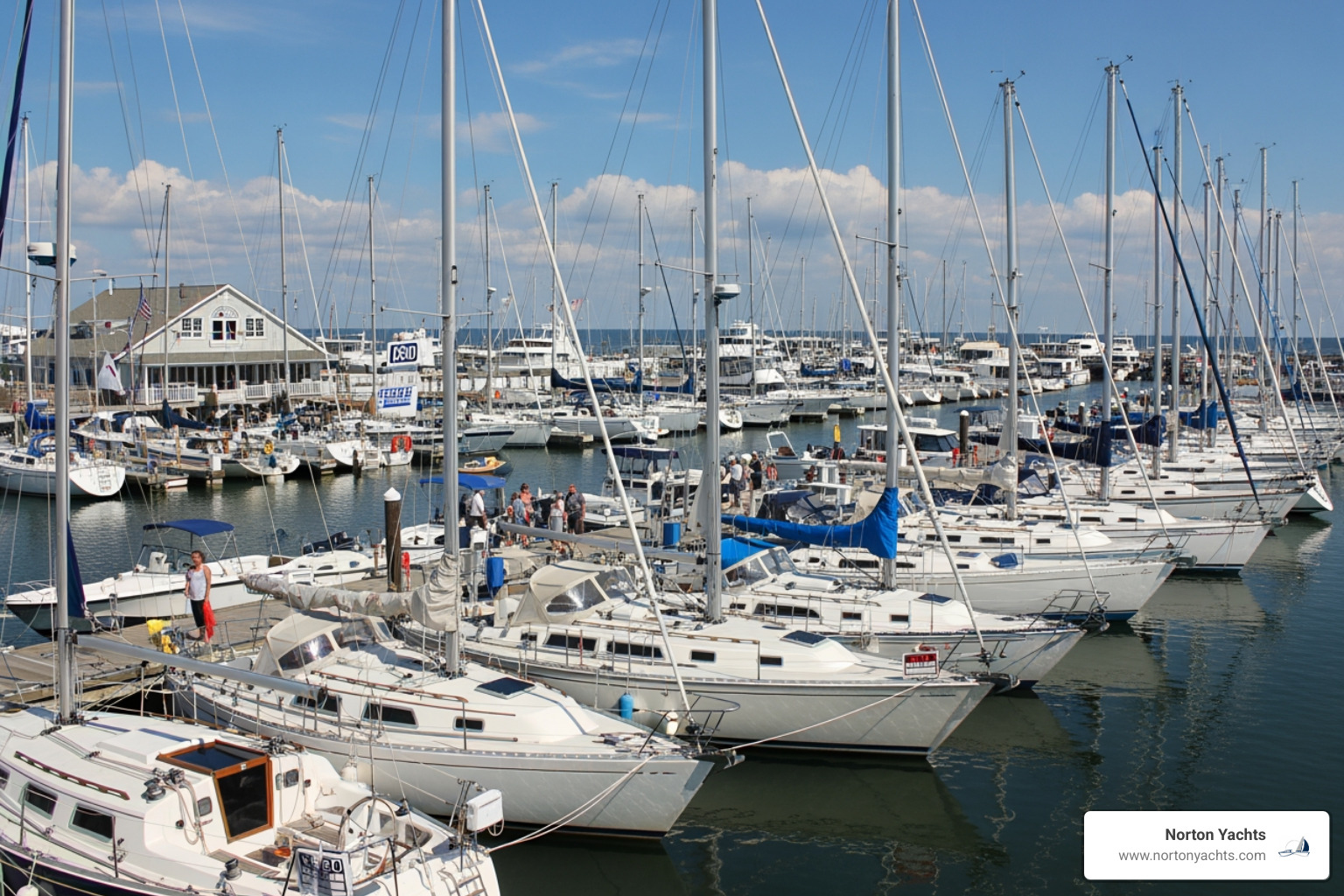
Where to Find the Best Used Sailboat Listings
The digital age has made the search for a used sailboat more accessible than ever, with thousands of boat listings available on various platforms. However, for a truly effective search, we recommend focusing on sources that cater to our region and offer depth of information.
- Local Brokerage Websites: This is often our top recommendation. Brokerages like Norton Yachts offer a curated inventory of both new and used vessels. The advantage here is twofold: brokers often have intimate knowledge of the boat’s history and condition, and they understand the specific needs of Chesapeake Bay sailors. A local broker can provide a targeted list of boats available in Deltaville, Norfolk, and across the broader Virginia and Maryland Chesapeake Bay areas. Our team at Norton Yachts prides itself on having the largest brokerage inventory in the region, offering a diverse selection and unparalleled local expertise.
- National Aggregator Sites: Large online platforms are useful resources for casting a wide net to understand the market. These sites allow you to filter by make, model, length, and price to see what’s available nationally. While comprehensive, these listings may not always have the same level of detail or local context as a brokerage, and the information may not be as current.
- Manufacturer-Specific Dealers: If you have your heart set on a particular brand, checking with specific dealers can sometimes yield results for used models. Many new boat dealers also take trade-ins, offering a unique opportunity to find a well-maintained used boat that has been serviced by certified technicians.
- Owner Associations and Forums: These communities can be invaluable for background research. You can learn about common issues, typical upgrades, and fair pricing for specific makes and models. Sometimes, boats are even listed directly within these forums before hitting the broader market.
The key is to leverage these resources strategically. Start broad to understand the market, then narrow your focus to local brokerages and listings in areas like Deltaville, Norfolk, or the Eastern Shore, where you can easily view the boat and benefit from regional expertise.
Decoding the Listing: Key Factors for Chesapeake Bay Sailing
Once you’ve found a few promising used sailboat listings, it’s time to put on your Chesapeake Bay sailor’s hat. Our waters present unique challenges and opportunities, and your boat needs to be up to the task.
- Shallow Draft for Creeks and Anchorages: This is perhaps the most critical factor for Bay cruising. The Chesapeake Bay is famous for its beautiful, shallow creeks and anchorages. A deep-draft keel can severely limit your cruising grounds, forcing you to stick to main channels. We generally recommend a boat with a draft of under 6 feet, and ideally closer to 4-5 feet, to truly open up the Bay’s potential. Many popular Bay models, including various Jeanneau and Beneteau models, are designed with this in mind.
- Reliable Diesel Engine for Local Conditions: While we love sailing, the Bay’s fickle winds and occasional strong currents mean you’ll rely on your auxiliary engine more than you might think. A well-maintained, reliable diesel engine is non-negotiable. Look for boats with recent engine service records, especially for fresh water cooling systems, which are crucial in our brackish waters. Our service team in Deltaville can attest to the importance of a properly maintained engine for safe and enjoyable Bay cruising.
- Solid Rigging for Bay Squalls: The Chesapeake Bay can whip up a squall in a hurry. You need confidence in your boat’s rigging. Look for listings that mention recent rigging inspections, upgrades, or replacements. Pay attention to the age of standing rigging, as this is a significant replacement expense. A robust rig, well-tuned, is essential for safely navigating the Bay’s unpredictable weather.
- Deck Layout for Easy Single- or Short-Handed Sailing: Many Bay sailors enjoy cruising with just a partner or even solo. A deck layout that allows for easy sail handling from the cockpit, with lines led aft, roller furling, and a well-placed autopilot, significantly improves your enjoyment and safety. Consider the cockpit size and comfort – you’ll spend a lot of time there!
- Popular Local Makes and Models: Certain brands have a strong presence and support network on the Chesapeake Bay, making ownership easier. Brands like Jeanneau, Saffier, and Bennington (for powerboats, but their presence indicates local support) are all supported by Norton Yachts’ service team. This means easy access to parts, expertise, and resale value. Other popular brands you’ll commonly see in used sailboat listings include Catalina, Hunter, and Beneteau, all of which have proven track records on the Bay.
From “For Sale” to “Sold”: The Purchase Process
Once you’ve narrowed down your used sailboat listings and found a few contenders, the real work—and excitement—begins. The formal process from offer to ownership is designed to protect you, the buyer, and ensure you’re making a sound investment. We’ve guided countless buyers through this journey, ensuring they sail away with peace of mind.
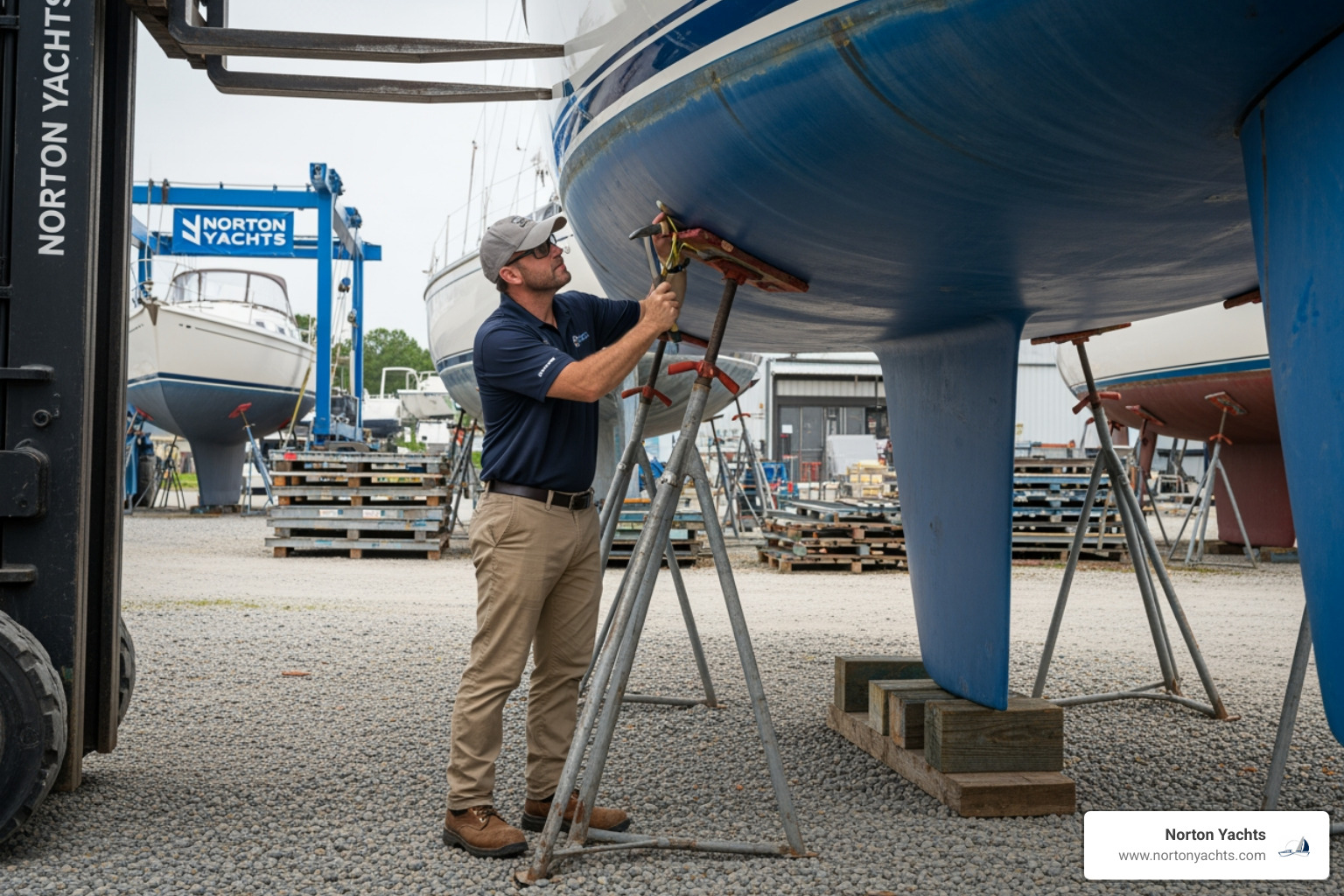
Spotting Red Flags in Used Sailboat Listings and In-Person
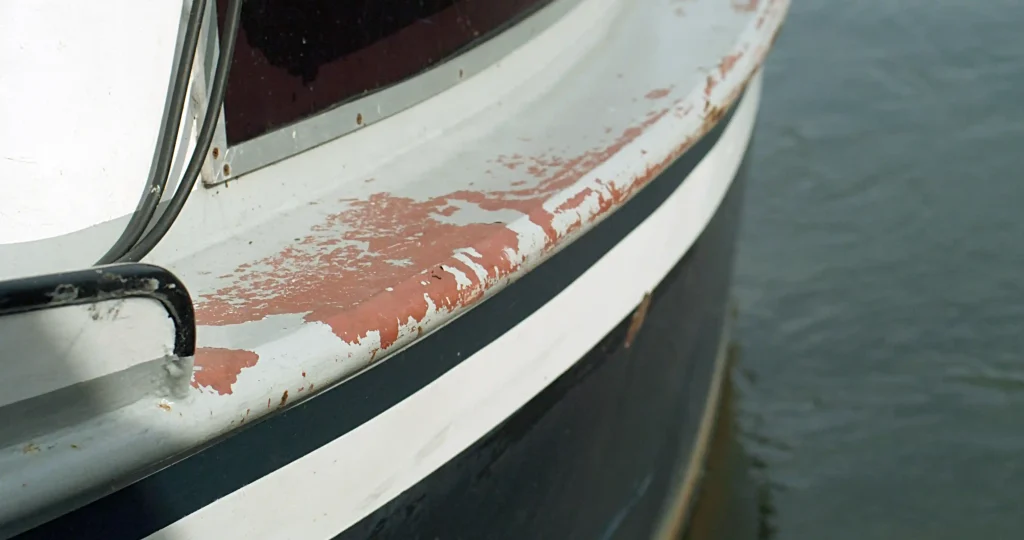
Before you even consider a formal offer, a careful visual inspection can save you a lot of time and potential heartache. When reviewing used sailboat listings online, look closely at the photos for any obvious signs of neglect. In person, become a detective.
- Water Stains Below Deck: These are a major red flag, indicating leaks from deck fittings, ports, or hull-to-deck joints. They can lead to delamination, rot in core materials, and mold.
- Soft or “Spongy” Decks: Walk every inch of the deck. Any soft spots suggest water intrusion into the core, a costly repair.
- Hull Blisters: While some small blisters are common on older fiberglass boats, widespread or large blisters can indicate osmotic blistering, which requires significant repair.
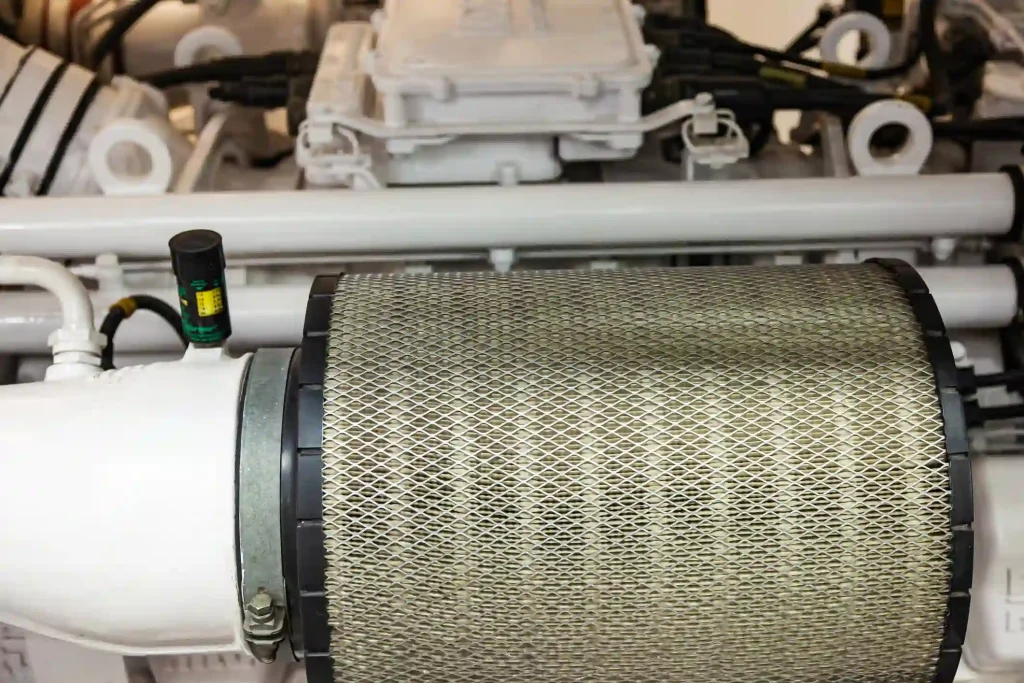
- Neglected Engine Room: A dirty, oily, or rusty engine compartment is a sign of poor maintenance. Look for corrosion on electrical components, cracked hoses, or signs of saltwater leaks. Our technicians diagnose these issues daily in Deltaville—ask for a professional opinion if unsure.
- Outdated Electronics: While not a deal-breaker, very old navigation and communication equipment will likely need upgrading, adding to your post-purchase costs.
- Musty Odors: A persistent musty smell below deck almost always indicates hidden moisture, mildew, or rot, often stemming from leaks that haven’t been properly addressed.
These are just a few common indicators. Trust your instincts, and if something feels off, it probably is.
The Critical Role of the Marine Survey and Sea Trial
This is the most crucial step in purchasing a used sailboat. A marine survey is a comprehensive inspection of the vessel’s structural integrity, systems, and overall condition by a qualified, independent professional.
- How to Find a Qualified Surveyor: Always choose an accredited marine surveyor, ideally one who is a member of the Society of Accredited Marine Surveyors (SAMS) or the National Association of Marine Surveyors (NAMS). Ask for references and ensure they specialize in sailboats of the type you’re considering.
- What a Survey Covers: The surveyor will examine the hull (above and below the waterline), deck, mast, rigging, sails, engine, electrical system, plumbing, safety equipment, and more. Their detailed report will list deficiencies, recommendations for repair, and an estimated fair market value.
- Why a Sea Trial Matters on the Bay: A sea trial is your chance to see the boat in its natural element. On the Chesapeake Bay, this means checking how the engine performs under load, observing sail handling, testing steering and navigation systems, and listening for unusual noises. It’s also an opportunity to assess the boat’s motion and how it feels to sail.
- Using the Survey Report for Negotiation: The survey report is a powerful negotiation tool. Significant deficiencies or required repairs can justify a reduction in the asking price or require the seller to address them before closing.
- The Necessity of a Haul-Out: For any serious purchase, a haul-out is absolutely necessary. This allows the surveyor to inspect the hull below the waterline, the keel, rudder, and through-hull fittings for damage, osmosis, or other issues. Norton’s boatyard in Deltaville offers full haul-out and inspection services, making this process seamless for our clients. Our 4-acre gravel boatyard and skilled team are equipped to handle vessels of various sizes for these critical inspections.
Determining a Fair Price and Making an Offer
Determining a fair price for a used sailboat involves a blend of research, market awareness, and the insights gained from your survey.
- Researching Comparable Sold Boats: Look at recently sold boats of the same make, model, and year, especially those in the Chesapeake Bay region. While online listing sites can give you a general idea of asking prices, this data is often incomplete. A knowledgeable broker has access to professional databases of actual sold-boat prices, providing a much more accurate baseline for a fair market value.
- Factoring in Survey Findings: The survey report will highlight necessary repairs and their estimated costs. These are direct deductions from the boat’s perceived value. Use these findings to adjust your offer accordingly.
- Making a Formal Written Offer: Your offer should always be contingent on a satisfactory marine survey and sea trial. This protects your deposit if unforeseen issues arise. Be prepared to negotiate; the initial asking price is rarely the final selling price.
- Understanding Market Conditions in the Chesapeake Bay Region: Market conditions fluctuate. During certain times of the year (which we’ll discuss next), there might be more leverage for buyers. A knowledgeable local broker can provide invaluable insight into the current market, helping you craft a competitive yet fair offer.
The Real Cost of Ownership: Beyond the Purchase Price
Congratulations, you’ve found your dream boat and are ready to sail the Chesapeake! But before you cast off, it’s crucial to understand that the purchase price is just the entry fee. Owning a sailboat, especially on the Chesapeake Bay, comes with ongoing responsibilities and costs. We’re here in Deltaville to help you budget wisely and keep your vessel in prime condition.
Budgeting for Your First Year on the Bay
A common rule of thumb in the boating world is the “10% rule,” which suggests budgeting 10% of your boat’s purchase price annually for maintenance, repairs, and upgrades. While this is a good starting point, specific costs on the Bay can vary.
- Slip or Mooring Fees: Unless you plan to keep your boat on a trailer or at your own dock, you’ll need to factor in slip or mooring fees. These vary widely based on location (e.g., Deltaville vs. Annapolis), boat length, and marina amenities. Our marina in Deltaville offers competitive rates and a full range of services.
- Boat Insurance: Comprehensive insurance is essential to protect your investment from accidents, theft, and natural disasters. Rates depend on the boat’s value, age, and your cruising grounds.
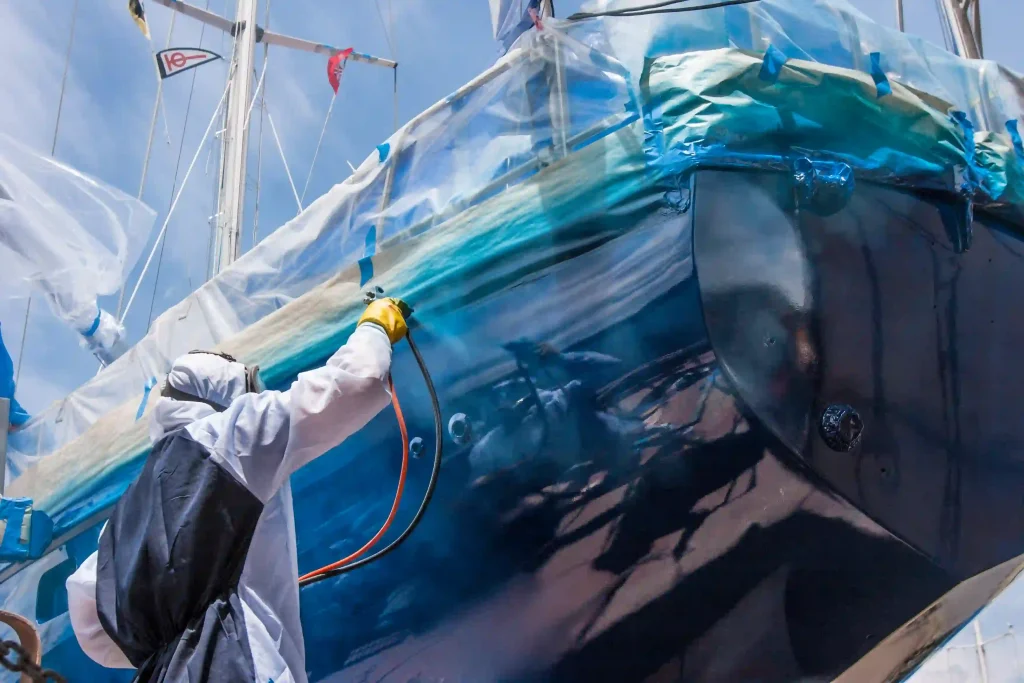
- Bottom Paint and Awlgrip Refinishing: The brackish waters of the Chesapeake Bay are notorious for marine growth. Regular bottom painting, typically annually or biennially, is a must to maintain hull speed and prevent fouling. For a truly pristine finish, consider Awlgrip refinishing – a specialty of our team at Norton Yachts. We are experts in applying this gold-standard marine finish, ensuring your boat not only performs well but looks stunning too.
- Engine Service: Regular maintenance of your auxiliary engine is critical for reliability. This includes oil changes, fuel filter replacements, impeller checks, and winterization. Proactive service prevents costly breakdowns.
- Winterization and Storage: As the colder months approach, proper winterization is vital to protect your boat’s systems from freezing. Whether you choose on-land storage in our 4-acre gravel boatyard or prefer to keep it in the water, costs for winterization and storage need to be factored in. Our HI-Dri Boatel also offers enclosed storage options.
- Essential Maintenance Supplies: Beyond major services, you’ll need a steady supply of hardware, maintenance products, rope, wire, webbing, and safety equipment. Keeping your boat clean, safe, and functional is an ongoing effort.
Norton’s team can provide estimates for all annual services, from engine tune-ups to our professional Awlgrip application, helping you budget accurately for your Bay adventures.
When to Buy: The Chesapeake Bay Boating Season
Timing your purchase can significantly impact both the price you pay and the selection available in used sailboat listings. The Chesapeake Bay has its own rhythms, and smart buyers learn to leverage them.
- Fall and Winter as a Buyer’s Market: Generally, the period from late fall through early spring is considered a buyer’s market on the Chesapeake. As the boating season winds down, many owners decide to sell rather than incur winter storage and recommissioning costs. This often leads to more motivated sellers and potentially lower prices. It’s also an excellent time to view boats, as many are hauled out, allowing for thorough inspections.
- The Spring Rush Before Commissioning: As spring approaches, demand picks up. Buyers eager to get on the water for the new season drive prices up, and selection can dwindle. Boats are often being commissioned for launch, making comprehensive inspections more challenging.
- Post-Boat Show Opportunities: Major boat shows, both local and national, can sometimes trigger new listings as owners decide to upgrade. Keep an eye out for these opportunities, but be aware that demand can also be high around these times.
- Advantages of Viewing Boats During the Off-Season: Beyond potential price advantages, viewing boats in the off-season, especially if they are hauled out, provides a more relaxed and thorough inspection opportunity. With full access to Norton’s boatyard and service team in Deltaville, you can easily arrange for surveys, pre-purchase inspections, and detailed discussions about any work that might be needed before spring launch.
By understanding these seasonal dynamics, you can strategically approach used sailboat listings and potentially secure a better deal for your Chesapeake Bay vessel.
Your Chesapeake Bay Adventure Awaits
Starting on the journey of sailboat ownership through used sailboat listings is an exciting prospect, especially with the stunning backdrop of the Chesapeake Bay. We’ve walked through the compelling benefits of choosing a used vessel, the critical factors to consider when navigating listings, the methodical process of inspection and negotiation, and the ongoing costs that ensure years of joyful sailing.
Finding the right boat for your Bay lifestyle means prioritizing factors like shallow draft, engine reliability, and a layout conducive to our local conditions. Leverage local expertise from brokerages and service centers that understand the unique demands of sailing here.
As the Chesapeake Bay’s largest yacht brokerage and a full-service boatyard in Deltaville, Norton Yachts offers a comprehensive range of services. From our extensive inventory of both new and used sailboats to expert brokerage guidance, we’re here to help you steer the market. Our state-of-the-art boatyard provides comprehensive maintenance—from haul-outs and engine repairs to rigging services and the finest Awlgrip refinishing—to keep your vessel in top condition season after season. We pride ourselves on traditional values and quality service, ensuring your time on the water is as enjoyable and worry-free as possible.
Ready to start your search or need a professional eye on a potential purchase? Contact Norton Yachts at (804) 776-9211, serving Chesapeake Bay boaters since 1948, for a personalized walkthrough, survey coordination, or a full diagnostic at our Deltaville boatyard.