
Don’t Get Stranded: Finding Expert Boat Repair in Virginia
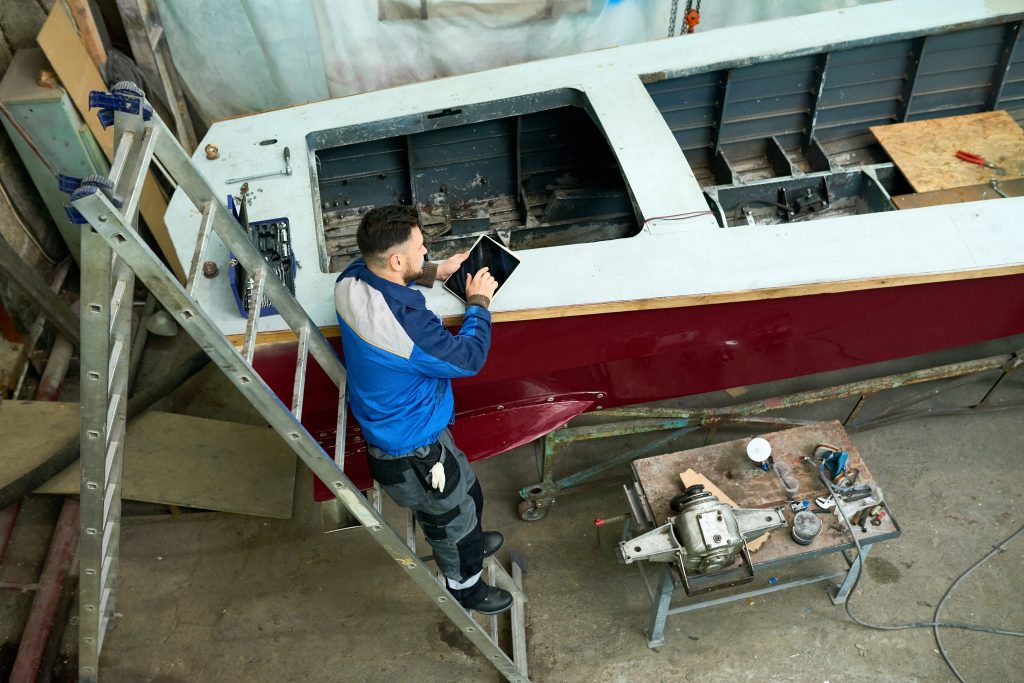
January 15, 2026 | Miscellaneous Why Virginia Boat Owners Need Expert Marine Repair Services Boat repair Virginia services are essential for maintaining vessels in the demanding conditions of the Chesapeake Bay, where saltwater corrosion, brackish water effects, and seasonal weather changes create unique maintenance challenges. Whether you need routine engine service, hull repairs, or complete winterization, finding a qualified marine technician can make the difference between a reliable vessel and costly breakdowns on the water. Top Boat Repair Services Available in Virginia: Key Qualifications to Look For: Virginia’s boating environment is unlike anywhere else on the East Coast. The Chesapeake Bay’s brackish water accelerates corrosion on engines and through-hulls. Summer heat causes cooling system failures. Winter freezing can crack engine blocks if winterization isn’t done properly. Storm debris damages hulls and running gear. These aren’t just inconveniences—they’re expensive problems that require experienced marine professionals to diagnose and repair correctly. The difference between a competent repair shop and an expert boatyard often comes down to certifications, equipment, and experience with the specific challenges Virginia waters present. A facility with ABYC-certified technicians, factory training, and a 35-ton or larger Travel Lift can handle everything from routine maintenance to major refits. Norton Yachts has served sail and power boat owners since 1948, offering comprehensive boat repair Virginia services including mechanical work, professional Awlgrip refinishing, complete rigging services, and secure storage—all backed by certified technicians who understand both the technical demands and the unique conditions of Chesapeake Bay boating. This guide will walk you through common boat problems, how to evaluate repair facilities, what certifications matter, and how to find trusted service providers across Virginia’s key boating regions. I’m Kendall Webre, Senior Sales Executive at Norton Yachts, where I’ve worked alongside our certified service team to help boat owners maintain their vessels through expert boat repair Virginia services for years. My experience connecting clients with our full-service boatyard has given me deep insight into what separates exceptional marine service from the rest. Common Boat Problems Virginia Owners Face Boating in Virginia offers unparalleled beauty, from the expansive Chesapeake Bay to its intricate tributaries, but it also presents a unique set of challenges for vessel maintenance. Our rich waters, while inviting, can be harsh on marine vessels. We frequently encounter issues stemming from saltwater corrosion, which relentlessly attacks metal components, and the varying salinity of brackish waters that can accelerate wear and tear. Engine overheating is a common summer complaint, often due to clogged cooling systems or impeller failures, while electrical system failures can range from minor nuisances to critical safety hazards. Fuel system issues, often related to ethanol in gasoline or contaminated diesel, can lead to engine performance problems. Of course, the ever-present risk of hull damage from debris, especially after storms, is a reality we all contend with. Blistering, a common ailment for fiberglass boats, can compromise structural integrity if not addressed promptly. At Norton Yachts, our technicians are adept at diagnosing and repairing these and many other problems, ensuring your vessel remains seaworthy and reliable. We understand the specific nuances of boating in the Chesapeake Bay and its surrounding areas, equipping us to address these challenges effectively. For further insights into local boating concerns, you can explore discussions among fellow enthusiasts on Community discussion on Chesapeake Bay boat issues. Addressing Engine and Mechanical Issues The heart of any vessel is its engine, and when it falters, your boating plans can quickly solve. Engine failure and transmission problems are among the most critical issues we handle. Whether you have an outboard or an inboard engine, or a complex diesel system, our expert team is equipped to provide comprehensive diagnostics and repairs. We offer specialized diesel engine service, crucial for many larger vessels navigating Virginia’s waters. For those looking to extend the life of their beloved boat or improve its performance, repowering options are a fantastic solution. We can guide you through the process of selecting and installing a new, more efficient engine, ensuring it perfectly matches your vessel’s needs. The value of factory-trained technicians cannot be overstated here; our team at Norton Yachts are authorized dealers for leading brands like Yanmar, Raymarine, and Fischer Panda. This means they possess an in-depth understanding of the newest engine technology and specific brand requirements, ensuring your engine receives the highest standard of care and expertise. Tackling Hull and Structural Damage The hull is your boat’s first line of defense against the elements, and maintaining its integrity is paramount. Fiberglass repair is a cornerstone of our services, addressing everything from minor dings and cracks to major structural damage. We specialize in gelcoat restoration, bringing back your boat’s original luster and protective layer. More extensive issues like transom replacement or deck repairs are handled with precision and expertise, ensuring the structural soundness of your vessel. Blister repair and barrier coating are essential for fiberglass boats, especially in the brackish waters of the Chesapeake Bay, where osmosis can be a persistent threat. Our technicians are experienced and skilled in these complex repairs, providing long-lasting solutions. And for those seeking the ultimate in finish and durability, we offer professional Awlgrip painting. Our technicians are true artists when it comes to painting hulls, delivering a flawless, high-gloss finish that not only looks stunning but also provides superior protection. For more information on our comprehensive hull and structural repair capabilities, visit our More info about Norton Yachts’ boat service center. A Comprehensive Guide to Boat Repair Services in Virginia Navigating the waters of Virginia requires a vessel in top condition, and that means having access to a full spectrum of boat repair Virginia services. At Norton Yachts, we pride ourselves on being a full-service boatyard, offering everything from routine maintenance to complex structural repairs, all under one roof. Unlike specialized marine shops that might focus on a single area, our comprehensive approach ensures that every aspect of your vessel, from bow to stern, is expertly cared for. We provide extensive mechanical and electrical services, addressing the intricate systems that keep your boat running smoothly. Our structural repair capabilities ensure your hull and

9 Essential Boat Servicing Near Me Tips for 2026
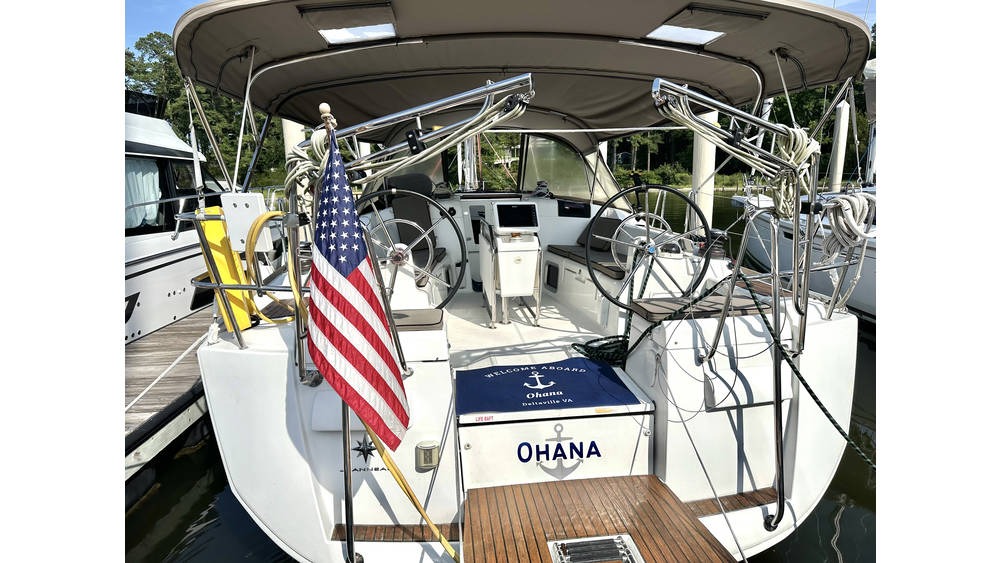
December 11, 2025 | Miscellaneous Neglecting regular boat service can lead to unexpected breakdowns, costly repairs, and even safety hazards. In 2026, evolving technologies and environmental standards make proper maintenance more crucial than ever for every boat owner. This article delivers practical, expert-backed tips to help you find and get the most from boat servicing near me. You will discover how to choose qualified technicians, leverage the latest digital tools, and embrace sustainable practices. Avoid common pitfalls, stay ahead of new trends, and enjoy hassle-free boat ownership with actionable guidance designed for today’s boating landscape. Why Regular Boat Servicing Matters in 2026 In 2026, the world of boating is more advanced and interconnected than ever. With sophisticated onboard electronics, eco-friendly propulsion, and smart safety systems, regular boat servicing near me is no longer optional but essential for responsible ownership. Modern boats are complex machines. As technology evolves, so do the skills and tools required to maintain them. Finding qualified professionals for boat servicing near me ensures that every system, from digital navigation to next-gen engines, receives expert attention. This specialized care is crucial as improper maintenance can lead to expensive and dangerous failures. The benefits of routine boat servicing near me extend far beyond just preventing breakdowns. According to BoatUS, vessels that receive scheduled maintenance experience 30% fewer mechanical failures on the water. This translates into greater peace of mind, improved safety for everyone onboard, and a stronger resale value when it’s time to upgrade. Ignoring regular maintenance can also have serious legal and financial consequences. Many insurance policies require documented upkeep, and failing to meet these standards may void your coverage in the event of an accident. Additionally, certain jurisdictions have regulations mandating specific maintenance intervals for safety equipment and environmental compliance. Environmental stewardship is another critical reason to prioritize boat servicing near me. Well-maintained engines and hulls minimize harmful emissions and reduce the risk of fuel or oil leaks. This proactive approach helps protect local waterways and supports sustainable boating practices. Consider the story of a boat owner who invested in annual checkups and digital service logs. By catching a minor engine issue early, they avoided a catastrophic breakdown and costly emergency repairs. Their commitment to regular boat servicing near me preserved both their investment and their enjoyment of time on the water. Despite these clear benefits, misconceptions persist. Some owners believe that infrequent use means less need for upkeep. In reality, inactivity can accelerate component wear, battery degradation, and corrosion. Skipping scheduled maintenance can lead to hidden problems that surface at the worst possible time. Finally, the rise of digital service records and smart diagnostics is transforming how boat owners approach maintenance. These innovations make it easier than ever to track work, receive reminders, and provide proof of care for insurance or resale. The growing yacht maintenance and refit market forecast underscores the increasing value placed on documented, professional upkeep. In summary, regular boat servicing near me is the foundation of safe, efficient, and enjoyable boating in 2026. By staying proactive, leveraging technology, and working with trusted professionals, owners can protect their vessels and contribute to a stronger, greener boating community. 9 Essential Boat Servicing Near Me Tips for 2026 Regular, proactive boat servicing is more important than ever in 2026. As boat technology evolves and environmental standards rise, owners must adapt their maintenance routines to keep vessels safe, reliable, and valuable. Use these nine expert-backed tips to master boat servicing near me, avoid costly pitfalls, and ensure smooth sailing all year round. 1. [Schedule Annual Comprehensive Inspections] Annual inspections are the cornerstone of effective boat servicing near me. Certified professionals conduct thorough checks covering the engine, hull, electronics, and safety systems. This proactive approach uncovers hidden issues before they escalate. A comprehensive inspection typically includes: Costs range from $300 to $700, depending on boat size and complexity. Leading marinas often publish detailed checklists, which can help you compare service thoroughness. According to Boating Magazine, 80 percent of breakdowns stem from missed annual checks. To find reputable providers, research online reviews and confirm certifications. The Boat Service Center Overview details what to expect from a quality local center, helping you make informed choices. A real-world example: One owner caught a minor hull crack during an annual inspection, saving thousands in future repairs. Prioritizing annual checks ensures the best value from boat servicing near me. 2. [Use Digital Maintenance Logs and Apps] Digital tools have revolutionized boat servicing near me. Maintenance logs and apps help you track every service, from oil changes to battery replacements. Top marine apps for 2026 integrate directly with modern onboard systems, syncing service reminders and diagnostics. Using digital logs streamlines warranty claims and boosts resale value, as buyers trust well-documented histories. Consider the Boatyard app, which allows owners to schedule services, log repairs, and set custom reminders. One user avoided a warranty dispute by instantly sharing their digital service record with the manufacturer. Security remains crucial. Choose apps with encrypted data storage and privacy controls. By leveraging technology, you ensure no maintenance task is forgotten, making boat servicing near me more efficient and transparent. 3. [Prioritize Engine Servicing and Diagnostics] Engine health is vital for smooth operation and safety. Advances in 2026 engine technology—such as smart sensors and real-time diagnostics—make it easier to detect issues early. Signs your engine needs immediate attention include unusual noises, smoke, or warning lights. Always choose OEM-certified technicians for engine work, as they have specialized training for new systems. A recent case: A simple diagnostic scan revealed a failing sensor, preventing catastrophic engine failure and saving the owner thousands. Engine servicing costs typically range from $400 to $900, with timelines varying based on complexity. Prioritizing engine checks through boat servicing near me ensures you address problems before they become emergencies, extending your vessel’s lifespan and reliability. 4. [Don’t Overlook Electrical Systems and Battery Care] Modern boats feature advanced electrical systems, from integrated navigation to smart lighting. These systems require regular attention to prevent breakdowns that could leave you stranded. Key maintenance tips include:

Selling Your Yacht: Services, Strategies, and Smooth Sailing
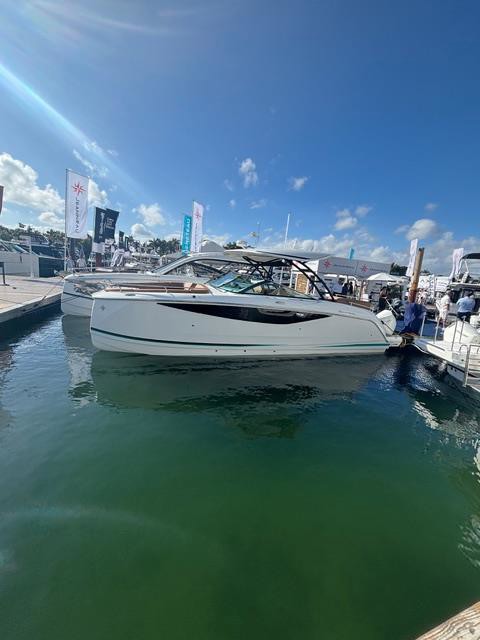
March 5, 2026 | Miscellaneous Why Choosing the Right Path to Sell Your Yacht Matters The hard part about sell your yacht on the Chesapeake isn’t posting a listing – it’s choosing the right path (and timing) so you don’t leave money on the dock or burn months on unqualified showings. Here’s the straight-ahead process that works in the Bay: Selling a yacht is a significant undertaking. Your vessel represents a major financial investment and years of memories. Whether you’re moving up to a larger yacht or transitioning out of ownership, the process rewards planning and disciplined execution. The Chesapeake Bay market has its own rhythm. Spring brings more browsers and first-time buyers; fall and winter tend to bring fewer showings but more decisive purchasers. Local conditions matter, too. Boats that live in Deltaville, the Rappahannock, or on the Western Shore see variable salinity, summer heat, and long shoulder seasons – which makes maintenance records and condition evidence more persuasive than a polished sales pitch. Many owners also underestimate the logistics. Brokerage commissions typically range from 6% to 10%, but a good broker also absorbs the heavy lift: valuation, exposure across MLS platforms, buyer qualification, coordinating surveys/sea trials, and managing closing details. I’m Kendall Webre, a Senior Sales Executive at Norton Yachts. Contact me at (804) 776-9211. Our team works daily out of Deltaville and across the Bay, and we’ve guided Chesapeake owners through the full arc of a sale – from pricing to survey day to the final signature. When you’re comparing approaches, it helps to understand the standard broker role and process; the Yacht Brokers Association of America (YBAA) overview is a useful neutral reference. Preparing Your Vessel for a First Impression First impressions are everything when your boat hits the market. In Deltaville, we know a well-prepared vessel speaks volumes about its history and the care it has received. Detailing: This goes beyond a quick wash. We recommend a deep clean inside and out. Remove personal items, declutter lockers, and ensure bilges are spotless. Polish stainless steel and condition upholstery. A professional detail can transform a tired boat into one that looks ready for its next adventure. Buyers are looking for reasons to say “yes.” Decluttering: Buyers want to envision themselves on your yacht. Personal photos and excess gear can make the space feel cramped. Store these items off the boat to create a clean, neutral canvas that allows a buyer to project their own dreams onto the vessel. Mechanical Checks: Ensure all systems are in working order before any viewings. This includes engines, generators, air conditioning, and electronics. Minor issues can raise red flags and lead to price negotiations. Our team at Norton Yachts can perform thorough mechanical inspections. Our ABYC and factory-certified technicians are experts in diagnosing issues specific to the Chesapeake Bay’s operating conditions. For more information on how our team can help, check out our professional boat service or call (804) 776-9211. Awlgrip Refinishing: For high-end vessels, an Awlgrip refinish is a strategic investment. A mirror-like finish can dramatically improve appeal and command a higher price. As a top Awlgrip painter on the Chesapeake Bay, Norton Yachts specializes in changing hulls and superstructures. This demonstrates a commitment to quality that resonates with discerning buyers. If your yacht’s finish is dull, a professional Awlgrip job can be the most impactful upgrade you make. Proven Strategies to Sell Your Yacht in the Mid-Atlantic Selling a yacht in the Mid-Atlantic goes smoother when you treat it like a project: condition, price, exposure, and paperwork – in that order. On the Chesapeake Bay, buyers also pay close attention to how a boat has been maintained through our humidity, warm summers, and brackish water. Clear records and honest presentation routinely beat “fresh paint and crossed fingers.” Valuation: Getting the price right is paramount. We consider your yacht’s make, model, condition, and equipment list, then cross-reference sold-boat data and current listings. Upgrades matter, but only the upgrades buyers will pay for (common examples: recent canvas, updated navigation, engine service history, and quality cosmetics). Market Intelligence: We track global and local patterns. Cruising sailboats often see a surge in early spring, while many motor yachts draw interest year-round. We also account for practical Chesapeake considerations – for example, whether the boat’s draft and cooling systems fit the rivers and shallow creeks buyers plan to use. Seasonal Trends: The Chesapeake Bay market has distinct seasons. Strategy Peak Spring Listing (March-May) Off-Season Strategy (Sept-Feb) Buyer Activity High, eager for summer cruising Lower, but more serious buyers Pricing Leverage Potentially higher More competitive pricing Preparation Window Requires winter prep Opportunity for major refits Showings Frequent Less frequent, but dedicated Survey/Sea Trial Can be rushed due to demand More relaxed inspections Determining the Right Asking Price Setting the right price is both an art and a science. The goal is to be credible on day one – because the first few weeks on the market are when you get your best look from qualified buyers. Market Research: We analyze recent sales of comparable yachts in the Mid-Atlantic, not just asking prices. Asking prices are optimism; sold prices are reality. Marine Surveyor: For higher-value yachts, an independent marine survey can be a smart pre-listing step. It can validate condition, reduce buyer uncertainty, and help you prioritize fixes that will show up on a buyer’s survey anyway. Depreciation: Age, engine hours, and outdated systems all influence price. We help you understand what the market will discount and what it will reward. If you’re considering a trade, this is also where timing matters; learn more at Understanding the Boat Trade-In Process. Steps to Sell Your Yacht Privately Some owners prefer to sell privately to avoid commission. Just be honest with yourself about time and risk: you’ll be the marketer, scheduler, tour guide, negotiator, and paperwork manager. Direct Sales: You’ll handle advertising, inquiries, showings, and sea trials. Private sales tend to work best when you know your boat well, can answer system questions accurately, and can stay organized. Bill of Sale: This document transfers ownership. It should include full names, a detailed description of the yacht (HIN, make, model), purchase price,

Your Comprehensive Guide to Deltaville, VA Local Storage Services
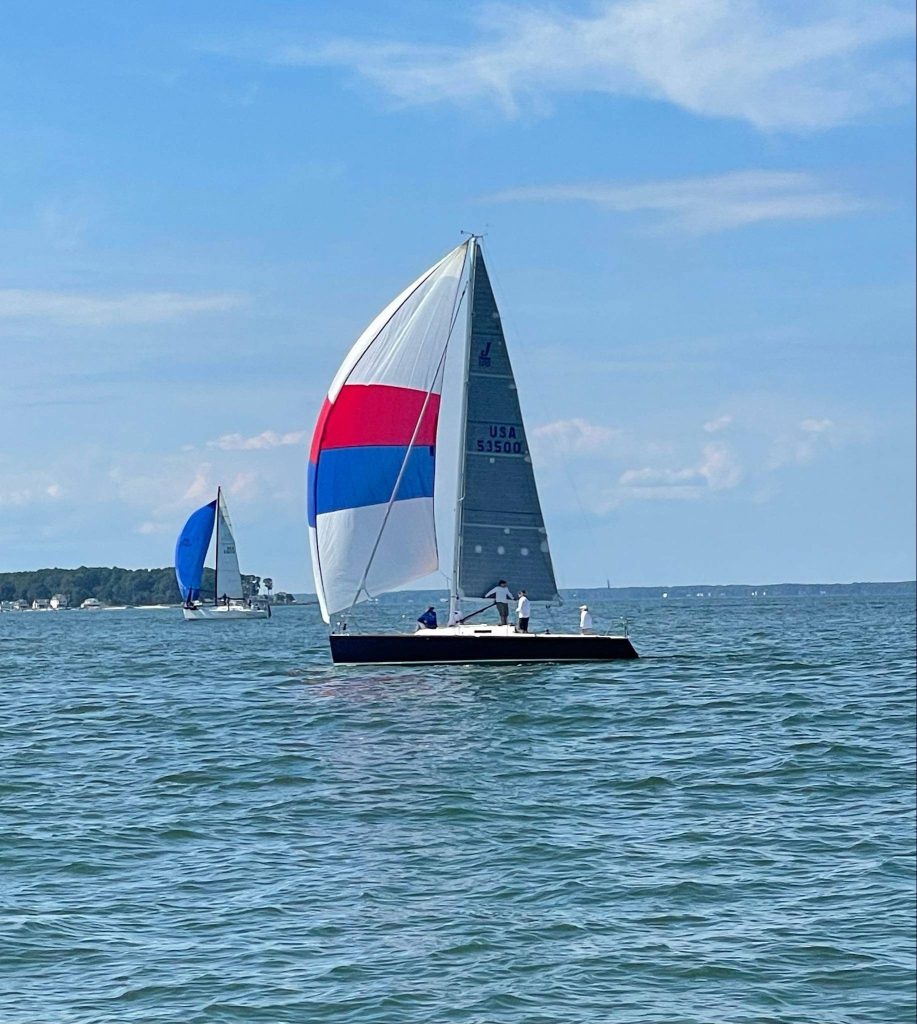
February 12, 2026 | Miscellaneous Securing Your Vessel in the “Harbor of Safe Refuge” Service – Local Storage (Deltaville, VA) offers boat owners a range of secure options to protect their vessels year-round in one of the Chesapeake Bay’s most trusted maritime communities. Whether you need winter storage on the hard, indoor boatel protection, or outdoor vehicle parking, Deltaville’s full-service marinas provide solutions for every type of watercraft and budget. Quick Answer: Top Local Storage Options in Deltaville Deltaville has earned its reputation as a “Harbor of Safe Refuge” for good reason. This protected waterway between the Rappahannock and Piankatank Rivers offers ideal conditions for boat storage, whether you’re preparing for winter, planning extended cruising, or simply need secure space for routine maintenance. The storage landscape here ranges from comprehensive full-service yards with heavy-duty travel lifts to specialized indoor boatels that keep smaller vessels pristine. One customer at a local facility noted, “I love having local storage reasonably priced!” – a sentiment that reflects Deltaville’s unique combination of professional service and community values. As Kendall Webre, Senior Sales Executive at Norton Yachts, I’ve helped countless boat owners steer Service – Local Storage (Deltaville, VA) decisions, from selecting the right winterization package to coordinating haul-outs for our brokerage clients. My years in the marine industry have shown me that proper storage is just as critical as regular maintenance for protecting your investment. Understanding Your Local Storage Options in Deltaville When it comes to securing your prized possession, be it a sailboat, powerboat, RV, or even just a car while you’re away cruising, Deltaville offers a diverse array of local storage solutions. We understand that each owner has unique needs, which is why we’re proud to offer options that cater to various vessel sizes, types, and budgets. From robust full-service boatyards capable of handling large yachts to convenient indoor boatels and simple outdoor vehicle lots, we’ve got you covered. Full-Service Boatyards and Marinas For many boat owners, especially those with larger vessels or those planning extensive maintenance, a full-service boatyard is the ultimate solution. These facilities, like our own Norton Yachts Marine Service Center, provide comprehensive Service – Local Storage (Deltaville, VA). We’re not just offering a place to park your boat; we’re offering a complete care package. Our boatyards specialize in “on-the-hard” storage, where your vessel is safely hauled out of the water and secured on land. This is particularly popular for winter storage packages, protecting your boat from the harsh elements and freezing temperatures. We also offer efficient haul-out and launch services, making transitions between water and land seamless. Our 35-ton travel lift can accommodate a vast array of vessels, from smaller powerboats to sizable yachts. This heavy-duty equipment ensures safe and precise handling during every lift and placement. Beyond just storage, a key advantage of a full-service boatyard is the immediate access to certified technicians. Whether your boat needs engine repairs, electrical diagnostics, rigging work, or a fresh coat of bottom paint, our expert team is right there. This integrated approach means less hassle for you and a quicker turnaround for your boat. We’ve been serving sail and power boats since 1948, building a legacy of quality and trust. To learn more about our comprehensive services and what makes our boatyard a cut above, we invite you to explore our More info about our Boat Service Center and dig into our full range of Explore our Marina Services. Indoor “Boatel” (Hi-Dri) Storage For those with smaller powerboats, typically up to 28 feet, an indoor “boatel” or hi-dri storage facility offers an excellent blend of convenience and protection. Imagine your boat being stored securely indoors, shielded from harsh UV rays, rain, and other environmental factors that can cause wear and tear. These facilities often use specialized forklift services to gently move your boat from its rack directly into the water and back. Some boatels boast impressive capacities, accommodating well over a hundred boats, ranging from small 8-foot dinghies up to 28-foot vessels. The convenience factor is huge here: many offer unlimited in-and-out service, meaning you can call ahead, and your boat will be ready for you in the water, often within minutes. Beyond the dry storage, these facilities frequently come with a suite of amenities. We’re talking about wash-down stations, dock carts, and even non-ethanol fuel docks, making your boating experience as smooth as possible. Some also feature comfortable clubhouses, swimming pools, and clean bathhouses for customer use. This type of storage is ideal for boat owners who value quick access and superior protection for their smaller powerboats. Outdoor Vehicle and Uncovered Storage Sometimes, the simplest solution is the best solution. For boat trailers, RVs, or even your secondary vehicle while you’re out cruising the Chesapeake, outdoor vehicle and uncovered storage offers a practical and cost-effective option for Service – Local Storage (Deltaville, VA). These spaces typically consist of open lots designed to accommodate larger vehicles that might not fit in standard storage units. While they offer less protection from the elements compared to indoor options, they are usually the most budget-friendly. We’ve seen typical monthly rates for outdoor-uncovered vehicle storage hover around $100. This makes it an attractive choice for those who need a secure spot without the added features of a full-service marina or boatel. Facilities offering this type of storage usually provide basic security measures, such as fencing and sometimes gate access, to ensure your vehicle is protected. It’s a straightforward solution for straightforward needs, providing essential space for your larger land-based assets or the trailer that carries your beloved boat. Key Factors for Choosing a Storage Facility Selecting the right Service – Local Storage (Deltaville, VA) for your vessel or vehicle isn’t just about finding an open spot. It’s about ensuring peace of mind, accessibility, and value. We believe that a well-informed decision considers several critical factors beyond just the price tag. Security, Access, and Amenities Your boat is a significant investment, both financially and emotionally. Therefore, security should be paramount. Look for facilities that offer robust security measures, such as gated access, surveillance systems, and on-site staff during operating hours.

Your Comprehensive Guide to Deltaville, VA Local Storage Services
February 12, 2026 | Miscellaneous Securing Your Vessel in the “Harbor of Safe Refuge” Service – Local Storage (Deltaville, VA) offers boat owners a range of secure options to protect their vessels year-round in one of the Chesapeake Bay’s most trusted maritime communities. Whether you need winter storage on the hard, indoor boatel protection, or outdoor vehicle parking, Deltaville’s full-service marinas provide solutions for every type of watercraft and budget. Quick Answer: Top Local Storage Options in Deltaville Deltaville has earned its reputation as a “Harbor of Safe Refuge” for good reason. This protected waterway between the Rappahannock and Piankatank Rivers offers ideal conditions for boat storage, whether you’re preparing for winter, planning extended cruising, or simply need secure space for routine maintenance. The storage landscape here ranges from comprehensive full-service yards with heavy-duty travel lifts to specialized indoor boatels that keep smaller vessels pristine. One customer at a local facility noted, “I love having local storage reasonably priced!” – a sentiment that reflects Deltaville’s unique combination of professional service and community values. As Kendall Webre, Senior Sales Executive at Norton Yachts, I’ve helped countless boat owners steer Service – Local Storage (Deltaville, VA) decisions, from selecting the right winterization package to coordinating haul-outs for our brokerage clients. My years in the marine industry have shown me that proper storage is just as critical as regular maintenance for protecting your investment. Understanding Your Local Storage Options in Deltaville When it comes to securing your prized possession, be it a sailboat, powerboat, RV, or even just a car while you’re away cruising, Deltaville offers a diverse array of local storage solutions. We understand that each owner has unique needs, which is why we’re proud to offer options that cater to various vessel sizes, types, and budgets. From robust full-service boatyards capable of handling large yachts to convenient indoor boatels and simple outdoor vehicle lots, we’ve got you covered. Full-Service Boatyards and Marinas For many boat owners, especially those with larger vessels or those planning extensive maintenance, a full-service boatyard is the ultimate solution. These facilities, like our own Norton Yachts Marine Service Center, provide comprehensive Service – Local Storage (Deltaville, VA). We’re not just offering a place to park your boat; we’re offering a complete care package. Our boatyards specialize in “on-the-hard” storage, where your vessel is safely hauled out of the water and secured on land. This is particularly popular for winter storage packages, protecting your boat from the harsh elements and freezing temperatures. We also offer efficient haul-out and launch services, making transitions between water and land seamless. Our 35-ton travel lift can accommodate a vast array of vessels, from smaller powerboats to sizable yachts. This heavy-duty equipment ensures safe and precise handling during every lift and placement. Beyond just storage, a key advantage of a full-service boatyard is the immediate access to certified technicians. Whether your boat needs engine repairs, electrical diagnostics, rigging work, or a fresh coat of bottom paint, our expert team is right there. This integrated approach means less hassle for you and a quicker turnaround for your boat. We’ve been serving sail and power boats since 1948, building a legacy of quality and trust. To learn more about our comprehensive services and what makes our boatyard a cut above, we invite you to explore our More info about our Boat Service Center and dig into our full range of Explore our Marina Services. Indoor “Boatel” (Hi-Dri) Storage For those with smaller powerboats, typically up to 28 feet, an indoor “boatel” or hi-dri storage facility offers an excellent blend of convenience and protection. Imagine your boat being stored securely indoors, shielded from harsh UV rays, rain, and other environmental factors that can cause wear and tear. These facilities often use specialized forklift services to gently move your boat from its rack directly into the water and back. Some boatels boast impressive capacities, accommodating well over a hundred boats, ranging from small 8-foot dinghies up to 28-foot vessels. The convenience factor is huge here: many offer unlimited in-and-out service, meaning you can call ahead, and your boat will be ready for you in the water, often within minutes. Beyond the dry storage, these facilities frequently come with a suite of amenities. We’re talking about wash-down stations, dock carts, and even non-ethanol fuel docks, making your boating experience as smooth as possible. Some also feature comfortable clubhouses, swimming pools, and clean bathhouses for customer use. This type of storage is ideal for boat owners who value quick access and superior protection for their smaller powerboats. Outdoor Vehicle and Uncovered Storage Sometimes, the simplest solution is the best solution. For boat trailers, RVs, or even your secondary vehicle while you’re out cruising the Chesapeake, outdoor vehicle and uncovered storage offers a practical and cost-effective option for Service – Local Storage (Deltaville, VA). These spaces typically consist of open lots designed to accommodate larger vehicles that might not fit in standard storage units. While they offer less protection from the elements compared to indoor options, they are usually the most budget-friendly. We’ve seen typical monthly rates for outdoor-uncovered vehicle storage hover around $100. This makes it an attractive choice for those who need a secure spot without the added features of a full-service marina or boatel. Facilities offering this type of storage usually provide basic security measures, such as fencing and sometimes gate access, to ensure your vehicle is protected. It’s a straightforward solution for straightforward needs, providing essential space for your larger land-based assets or the trailer that carries your beloved boat. Key Factors for Choosing a Storage Facility Selecting the right Service – Local Storage (Deltaville, VA) for your vessel or vehicle isn’t just about finding an open spot. It’s about ensuring peace of mind, accessibility, and value. We believe that a well-informed decision considers several critical factors beyond just the price tag. Security, Access, and Amenities Your boat is a significant investment, both financially and emotionally. Therefore, security should be paramount. Look for facilities that offer robust security measures, such as gated access, surveillance systems, and on-site staff during operating hours.

Your Wallet’s Guide to Pontoon Boat Costs
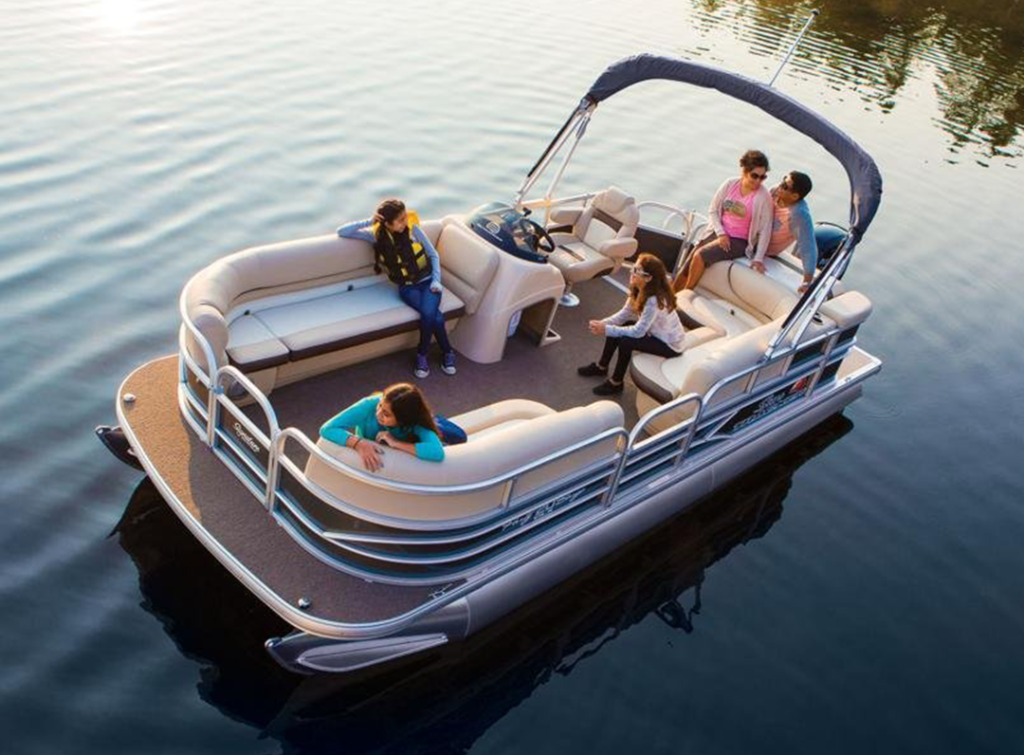
January 22, 2026 | Miscellaneous What You’ll Actually Pay for a Pontoon Boat Pontoon boat prices range from around $12,000 for older used models to over $180,000 for new luxury tritoons. Here’s what you need to know right away: Quick Price Reference: Price by Category: Thinking about summertime cocktails at sunset out on the water? You’re not alone. But before you can enjoy those lake days with family and friends, you need to understand what you’re really signing up for financially. The purchase price is just the starting point. Engine size, boat length, brand reputation, and features like fishing packages or premium sound systems all drive costs up. Then there’s insurance, storage, fuel, maintenance, and registration fees—expenses that can add up to 30% more than your purchase price annually. This guide breaks down every cost factor you’ll encounter, from the showroom floor to your favorite cove. We’ll cover new versus used pricing, the impact of size and horsepower, hidden ownership costs, and smart buying strategies that can save you thousands. I’m Kendall Webre, a Senior Sales Executive at Norton Yachts with extensive experience helping buyers steer pontoon boat prices and find vessels that align with their lifestyle and budget. Throughout this guide, I’ll share insights from working with hundreds of pontoon buyers to help you make a confident, informed decision. The Pontoon Boat Price Spectrum: From Entry-Level to Luxury When we talk about pontoon boat prices, we’re looking at a vast spectrum, much like buying a car. You can find a basic, reliable model, or you can opt for a fully loaded, high-performance luxury vessel. The average price for a pontoon boat listed for sale is around $72,995, but that’s just an average. We’ve seen prices as low as $11,995 for older, simpler models, and soaring up to $183,609 for top-tier, brand-new tritoons. Let’s break down what these categories typically entail: A significant factor in the higher end of the spectrum is the shift from a traditional twin-tube pontoon to a tritoon. A tritoon features three pontoons instead of two, offering superior stability, better handling, and the ability to accommodate larger engines for higher speeds and watersports. This improved performance and comfort naturally come with a higher price tag, often adding thousands to the overall cost. Key Factors That Drive Pontoon Boat Prices Understanding the broad price categories is just the beginning. Now, let’s dive into the specific elements that dictate where a pontoon falls within that range. These are the variables we at Norton Yachts discuss daily with our clients, helping them tailor their ideal boat to their budget. Every choice, from the boat’s length to the engine’s horsepower and the luxurious amenities on board, plays a crucial role in the final pontoon boat prices. It’s a balance between your desired experience and your wallet’s capacity. Size and Capacity: How Big Do You Need to Go? Size truly matters when it comes to pontoon boat prices. The length of the boat directly correlates with material costs, manufacturing complexity, and, ultimately, the selling price. Our research shows that for every two-foot increase in length, you can expect the cost to rise by roughly $1,000 to $1,500 for the same model. Most pontoon boats fall into the 18 to 26-foot range. A smaller, 16-foot pontoon might comfortably accommodate 8 people, while a larger 26-foot model can easily host 15 or more. Beyond length, beam width (the boat’s width) also contributes to the cost; a wider 10-foot beam offers more space and stability than a standard 8.5-foot beam, adding to the price. Different floorplan layouts also influence cost. A basic open layout might be less expensive than one with dedicated fishing stations, a built-in wet bar, or multiple luxurious loungers. We help our clients visualize how their intended use—whether it’s family fishing, entertaining, or simply cruising—will dictate the ideal size and layout, and therefore the price. Engine Power: The Heart of Your Pontoon’s Performance and Cost The engine is arguably the most significant factor affecting pontoon boat prices after the hull itself. It’s the powerhouse that determines your boat’s speed, efficiency, and capability. Pontoon engines can range from a modest 60 horsepower (HP) suitable for gentle cruising to a whopping 1,000 HP for high-performance tritoons designed for serious watersports. Brands like Mercury are popular choices for pontoon engines, and the specific model and features (e.g., fuel injection, power trim) will also play a role in the overall cost. Choosing the right engine is about matching your boating ambitions with your budget. Brand, Build Quality, and Amenities Just like with cars, brand reputation, build quality, and the level of amenities can swing pontoon boat prices considerably. These additions allow you to personalize your pontoon, but it’s important to budget for them from the start. New vs. Used: A Head-to-Head Cost Comparison One of the biggest decisions you’ll face when considering pontoon boat prices is whether to buy new or used. Both options have their distinct advantages and disadvantages, particularly when it comes to initial investment and long-term value. The choice often comes down to balancing your budget, your desire for the latest features, and your comfort level with potential maintenance. The Price of a New Pontoon Boat New pontoon boats in the market typically range from $29,977 to $111,071. While the “new boat smell” comes at a premium, there are significant benefits: For those who prioritize cutting-edge features, a full warranty, and the ability to customize their vessel from scratch, a new pontoon boat is an excellent choice. The Value of a Used Pontoon Boat Used pontoon boats offer a compelling alternative, with prices ranging from $11,995 to $114,999. The primary advantage here is significant upfront savings; a used boat can be 30-50% cheaper than a comparable new model. The steepest drop in value has already occurred, meaning you might get more boat for your buck. The decision between new and used depends on your budget, risk tolerance, and how much you value the latest innovations versus cost savings. The Total Cost of Ownership: Budgeting Beyond the Sticker Price The true cost of owning a pontoon

From Dream to Dock: Everything You Need to Know Before Buying a Powerboat
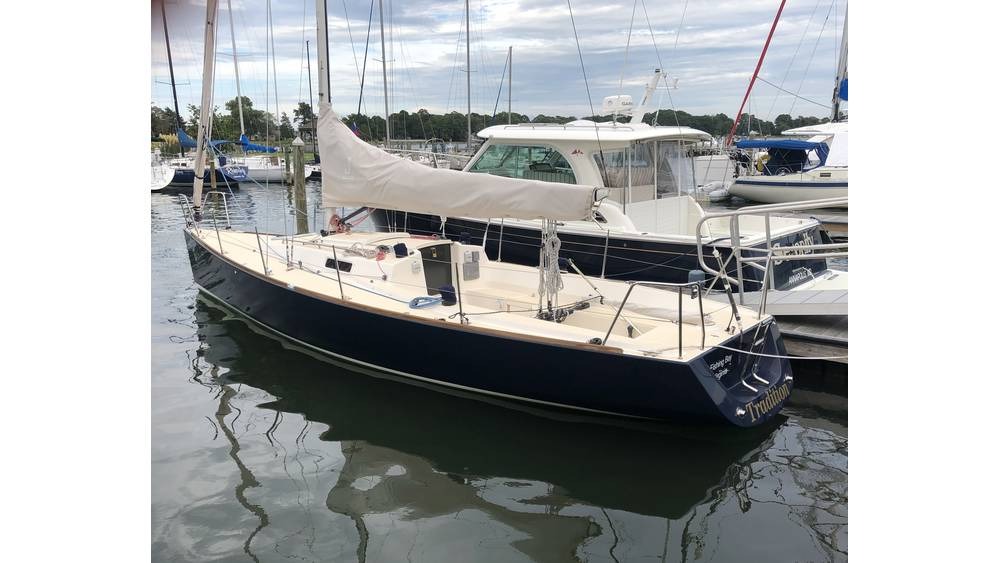
February 19, 2026 | Miscellaneous Why a Powerboat Buying Guide Is Your First Step to Chesapeake Bay Adventures The dream of owning a powerboat on the Chesapeake Bay—exploring its quiet coves, fishing the Rappahannock, or cruising to a waterfront restaurant—is a powerful one. But turning that dream into reality takes more than browsing listings online. You need a clear, region-specific powerboat buying guide that accounts for Bay conditions, Virginia regulations, and the real cost of ownership. This guide is your roadmap, built on Norton Yachts’ 75+ years of combined experience helping boaters in Deltaville, VA, Norfolk, Richmond, and across the Chesapeake match the right boat to how and where they actually run. As the largest brokerage in the area with a full-service boatyard, we walk you through how to choose a hull that can handle the Bay’s notorious afternoon chop, weigh engine options for long-term maintenance, and understand the costs you will see after you sign the bill of sale. Most buyers underestimate three critical factors: the importance of hull design for the Bay’s short, steep chop, the long-term maintenance differences between engine types, and the hidden costs beyond the purchase price. A new entry-level boat might be financed for $250 to $300 per month, but annual ownership costs typically run about 10% of the boat’s value—covering insurance, dockage, fuel, and upkeep. Our technicians diagnose these cost factors daily in Deltaville, from routine engine service to complex fiberglass repairs. Whether you’re considering a new Bennington pontoon for lazy river days, a Jeanneau cruiser for weekend getaways, or a pre-owned center console for fishing the lower Bay, this powerboat buying guide will walk you through every decision. We’ll cover how to choose the right size for Virginia’s trailering rules (that 8.5-foot beam limit matters), what to look for during a sea trial, why a marine survey is non-negotiable, and how to budget for the full ownership experience. As Kendall Webre, Senior Sales Executive at Norton Yachts in Deltaville, VA, I’ve guided hundreds of buyers through this process. With our multi-brand expertise spanning Saffier, Jeanneau, and Bennington, plus our comprehensive boatyard services including haul-outs, mechanical work, rigging, and professional Awlgrip refinishing, our team has learned that the best purchases start with education, not pressure. Defining Your Chesapeake Bay Boating Mission Before looking at boats, define your “why.” What do you want to do on the Chesapeake Bay? Exploring quiet coves off the Rappahannock, fishing the Eastern Shore, running from Deltaville to Norfolk, or cruising with family out of Washington, DC? Your activities dictate the ideal boat size, hull, features, and engine. Consider these questions: Your answers form the foundation of your Chesapeake-specific powerboat buying guide journey. Matching the Boat to the Activity Different adventures require different boats on the versatile Chesapeake. A boat built only for calm tributaries may struggle in the Bay’s afternoon southerly chop. Determining the Right Size and Features for Your Powerboat Buying Guide Size dictates where you can go, how you store your boat, and how it handles Bay conditions. We encourage you to Explore our New Models to see different layouts and discuss which dimensions best suit your intended Chesapeake Bay use. The Ultimate Powerboat Buying Guide: New vs. Pre-Owned One of the biggest decisions in your powerboat buying guide journey will be choosing between a new or a pre-owned vessel. Both options have distinct advantages and disadvantages, especially when considering the overall budget for purchasing and owning a powerboat on the Chesapeake. Beyond the initial purchase price, remember to factor in ongoing costs like maintenance, insurance, and storage. Services such as those provided by our Marina Services in Deltaville can significantly help manage these aspects. The Case for Buying a New Powerboat There is nothing quite like being the first owner of a gleaming new powerboat. It is an experience that offers several compelling benefits: While a new boat involves a higher initial investment, the long-term benefits in terms of reliability, warranty coverage, and modern features can often justify the cost for many Chesapeake Bay boaters. Finding Value in a Pre-Owned Powerboat A well-chosen pre-owned powerboat can be a fantastic entry point into boating or a smart way to upgrade, often offering more boat for your budget. However, it requires a more diligent approach. Finding a well-maintained vessel is key. This is where research becomes paramount. Resources like the PowerBoat Guide are invaluable. It is often called the “Yacht Broker’s Bible” and provides comprehensive information on thousands of models, including specifications and pricing, dating back decades. The PowerBoat Guide series, which has been in publication for 38 years, covers model years from the 1980s to current, and boat sizes from 25′ to 90′. This resource is useful for researching values and understanding typical features for specific models. The value of a professional broker cannot be overstated in this process. Our team at Norton Yachts has extensive experience with the pre-owned market on the Chesapeake Bay and its tributaries. We can help you steer the options, understand Bay-specific market values, and facilitate a smooth transaction from survey to closing. Browse our current Inventory of pre-owned boats to see what is available. Under the Hood: Hulls, Engines, and Systems The Chesapeake Bay’s blend of protected rivers and open water demands a boat that can handle diverse conditions. Performance in the Bay’s short, steep chop is determined largely by the hull design and engine. Understanding these components, along with systems like those discussed in an AIS vs Radar comparison, is key to an informed powerboat buying guide decision. Our ABYC and factory-certified technicians at Norton Yachts diagnose hull and engine issues daily, giving us unique insight into what works—and what doesn’t—in Bay conditions. Understanding Hull Designs for Bay Conditions A boat’s hull dictates its ride, stability, and speed. After decades of servicing boats in our Deltaville boatyard, we’ve seen how different hull designs perform in real Bay conditions: For the Chesapeake, a modified-V or deeper V-hull often provides the best balance for navigating both the open Bay and its tributaries. Our prop diagnostics frequently show these hulls maintain better efficiency in mixed conditions. Power Play: Inboard vs. Outboard Engines The

Don’t Get Swamped: Everything You Need to Know About Boat Loans
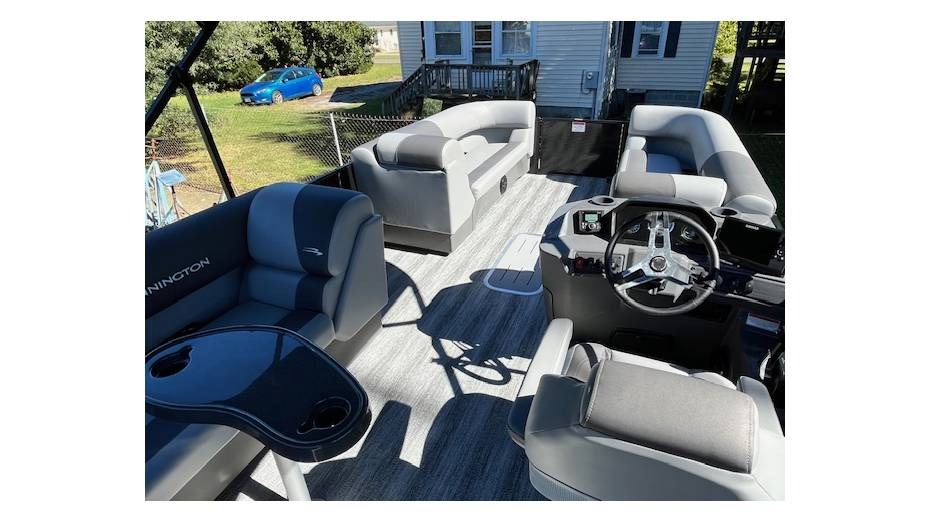
January 15, 2026 | Miscellaneous Why Bennington Boat Financing Matters for Your Next Purchase Bennington boat financing opens the door to owning a premium pontoon boat without paying the full price upfront. Here’s what you need to know: Quick Overview of Bennington Boat Financing: The dream of cruising on a new Bennington pontoon boat is closer than you think. Whether you’re watching a beautiful sunset spread across the water or spending quality time with family, boat ownership is a significant decision that requires careful financial planning. Most buyers don’t pay cash for their boats. Instead, they work with specialized marine lenders who understand the unique needs of boat financing. These lenders offer competitive rates and flexible terms specifically designed for pontoon boats like Bennington’s premium models. The financing process works similarly to an auto loan. You’ll make a down payment, borrow money from a lender, and pay it back over a fixed timeframe with interest. The boat itself typically serves as collateral for a secured loan, which allows for longer loan terms—up to 20 years—and lower interest rates compared to unsecured personal loans. Key costs beyond your monthly payment include: I’m Kendall Webre, President and CEO of Norton Yacht Sales, where I’ve helped countless customers steer Bennington boat financing and secure their dream vessels on the Chesapeake Bay. My team and I work with trusted marine lending partners to streamline the financing process and get you on the water faster. Decoding Your Financing Options Starting on the journey of Bennington boat financing might seem like navigating uncharted waters, but with Norton Yachts as your guide, it’s smoother sailing than you think. We understand that finding the right financing solution is just as important as finding the right boat. That’s why we partner with trusted marine lending specialists and offer in-house programs to give you a variety of options. Marine Lending Partners and In-House Financing At Norton Yachts, we pride ourselves on offering comprehensive solutions, including robust financing options for your new or used Bennington pontoon boat. Our relationships with specialized marine lenders are key to providing you with competitive rates and flexible terms. Unlike traditional banks that might not fully grasp the nuances of boat ownership, marine lenders offer several advantages: By choosing to finance your Bennington through Norton Yachts, you gain access to these specialized lenders and our in-house expertise. We streamline the process, acting as a one-stop shop to get you from browsing our inventory to cruising the Chesapeake Bay as quickly and efficiently as possible. For more details on how we can help, visit our Boat Financing Basics page. Secured vs. Unsecured Boat Loans Understanding the difference between secured and unsecured loans is crucial for Bennington boat financing: For most Bennington pontoon boat purchases, especially new models, a secured loan obtained through a marine lender is the most advantageous option due to the longer terms and lower rates. Exploring Manufacturer and Dealer Financing As a premier dealer of Bennington boats, Norton Yachts can connect you with specific financing programs custom for these exceptional vessels. Bennington, known for its premium comfort, optimal performance, and trend-setting design, partners with financial institutions that understand the quality and value of their pontoons. Our in-house financing approach at Norton Yachts means we work directly with these partners to offer you: We are committed to making your Bennington ownership dream a reality, and our financing solutions are designed to support that goal. Explore our full range of services, including financing, by visiting our Financing page. Preparing Your Finances: Budgeting and Planning Before you set your heart on a specific Bennington model, it’s wise to get your financial ducks in a row. Budgeting and planning are crucial steps in Bennington boat financing, ensuring you’re comfortable with your investment for years to come. This involves estimating payments, understanding down payment requirements, and accounting for all the additional costs of boat ownership. How to Estimate Your Monthly Pontoon Boat Payments One of the first questions aspiring boat owners ask is, “How much will this cost me each month?” While the exact figures depend on your specific loan terms and creditworthiness, we can help you estimate. Your monthly pontoon boat payment is primarily determined by: To give you a quick rule of thumb, experts estimate that monthly payments for a pontoon boat are typically between 1.5-2% of the boat’s value. So, if you’re eyeing a Bennington pontoon valued at $50,000, your estimated monthly payment might fall between $750 and $1,000. For a more precise estimate, we encourage you to use a dedicated tool. The Pontoon Boat Loan Calculator – Bennington Marine is an excellent resource that allows you to input these factors and get a personalized estimate. This is an estimate, and your actual payments will be confirmed by your lender. Understanding Down Payments and Loan Terms When it comes to Bennington boat financing, your down payment and chosen loan term play significant roles in shaping your monthly payments and the total cost of your loan. We work with our lending partners to help you find the optimal balance between your down payment, loan term, and interest rate to fit your financial comfort zone. Budgeting for the Total Cost of Ownership Congratulations, you’ve secured your Bennington boat financing! But before you cast off, understand that boat ownership involves more than just your monthly loan payment. We want you to enjoy your Bennington without any unexpected financial surprises. Here’s a list of additional costs you should factor into your overall budget: By budgeting for these additional costs upfront, you can fully enjoy your Bennington pontoon boat without getting swamped by unexpected expenses. The Ultimate Guide to Bennington Boat Financing Securing Bennington boat financing is an exciting step toward owning your dream pontoon. At Norton Yachts, we’re here to make this process as clear and straightforward as possible, from understanding the power of pre-approval to navigating the application and closing procedures. The Power of Pre-Approval for Your Bennington Boat Financing Imagine walking onto our lot in Deltaville or Norfolk, already knowing exactly what you can afford. That’s the power of pre-approval for your Bennington boat

What to Look for During a Yacht Inspection Before Purchase
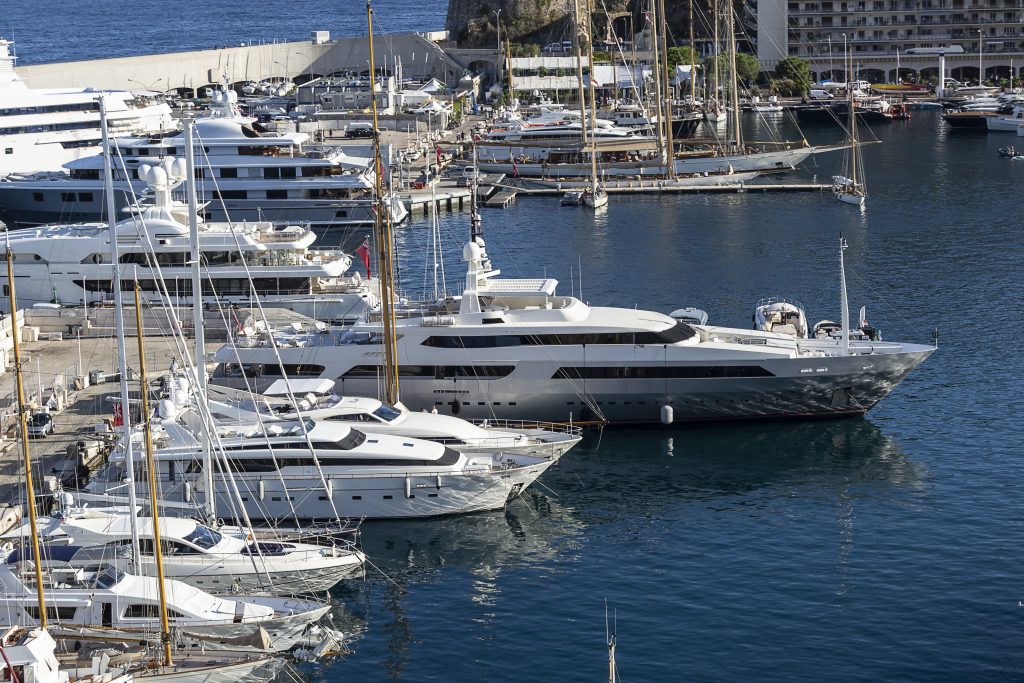
May 2, 2025 | Miscellaneous Purchasing a yacht is a significant investment and ensuring that you choose the right one requires a detailed inspection. Understanding what to look for can save you from unexpected repair costs and ensure that your yacht will meet your needs. At Norton Yachts, we offer expert advice on yacht inspections to help you make an informed decision. If you’re interested in browsing available boats, check out our yacht sales page.   In this article, we will cover the essential aspects to inspect before buying a yacht, including structural integrity, equipment condition, and systems functionality. We’ll guide you through the process to ensure that your investment in a yacht meets your expectations and performs reliably.   Key Areas to Inspect on a Yacht   When inspecting a yacht, it’s crucial to examine several key areas. These include the exterior, interior, systems, and any additional features. A thorough inspection will give you the confidence you need when making a purchase. Below are the primary areas you should focus on:   These areas will give you a solid foundation when inspecting a yacht. If you’re not sure where to start on your used vessel purchase, consider enlisting the help of a marine surveyor to conduct a professional inspection.  \ Inspecting the Hull and Structural Integrity   The hull is the most vital structural component of any yacht. Any damage to the hull could compromise the yacht’s safety and performance. When inspecting the hull:   Evaluating the Deck and Cockpit   The deck and cockpit are where you will spend much of your time aboard the yacht. Ensuring these areas are in good condition is crucial for comfort and safety. Pay attention to:   Evaluating the Engine and Mechanical Systems   The engine and mechanical systems are the heart of any yacht. A malfunctioning engine can lead to significant issues down the road. When evaluating the engine, look for the following:   A well-maintained engine can significantly extend the lifespan of your yacht. It may be a good idea to discuss the onboard engine with the local mechanic that typically services the vessel, if possible.   Inspecting the Electrical Systems   Electrical systems are essential to the operation of a yacht. They power everything from lighting to navigation equipment, so ensuring that they function properly is critical. Here’s what to check:   Properly functioning electrical systems ensure that your yacht operates smoothly and safely.   Examining the Interior and Amenities   A yacht’s interior should be comfortable and well-maintained. Look for any signs of wear or damage that could affect your comfort. Key aspects to inspect include:   The Importance of a Marine Surveyor   While you can do a basic inspection yourself, hiring a professional marine surveyor is always recommended. A marine surveyor will thoroughly inspect the yacht and provide you with an in-depth report on its condition. This ensures you know what you’re getting into before making a purchase.   Conclusion: Making Your Purchase with Confidence   A yacht inspection is a vital step in ensuring that your purchase meets your expectations. By following the steps outlined above, you’ll be well-equipped to assess a yacht’s condition and make an informed decision. If you’re in the market for a new or used yacht, check out Norton Yachts’ boat listings for available sailboats, dinghies, and luxury yachts.   Remember, the goal is to buy a yacht that not only fits your lifestyle but also ensures long-term reliability and enjoyment. Happy sailing!  

Set Sail: The Ultimate Guide to Jeanneau Leader Boats & Pricing
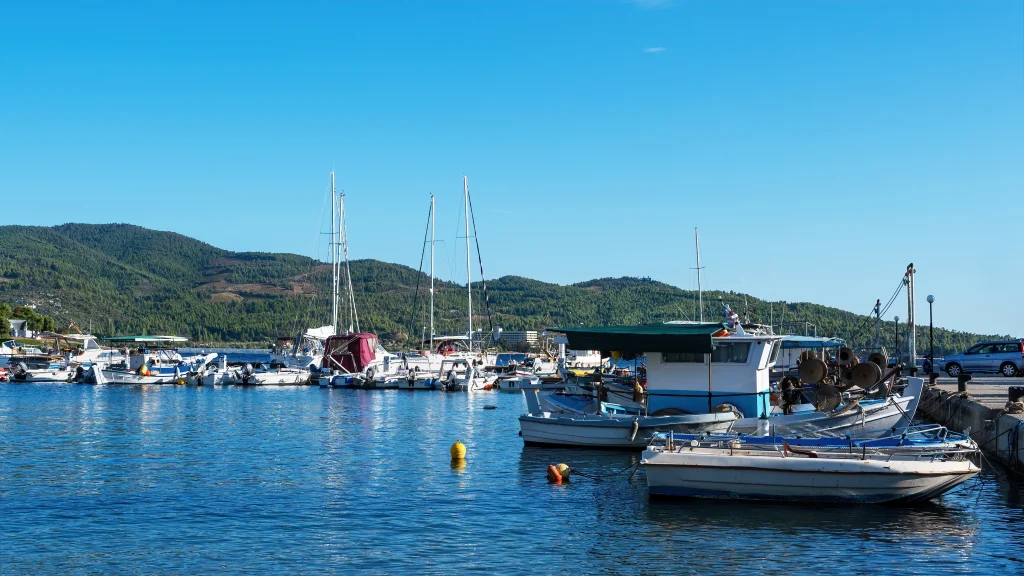
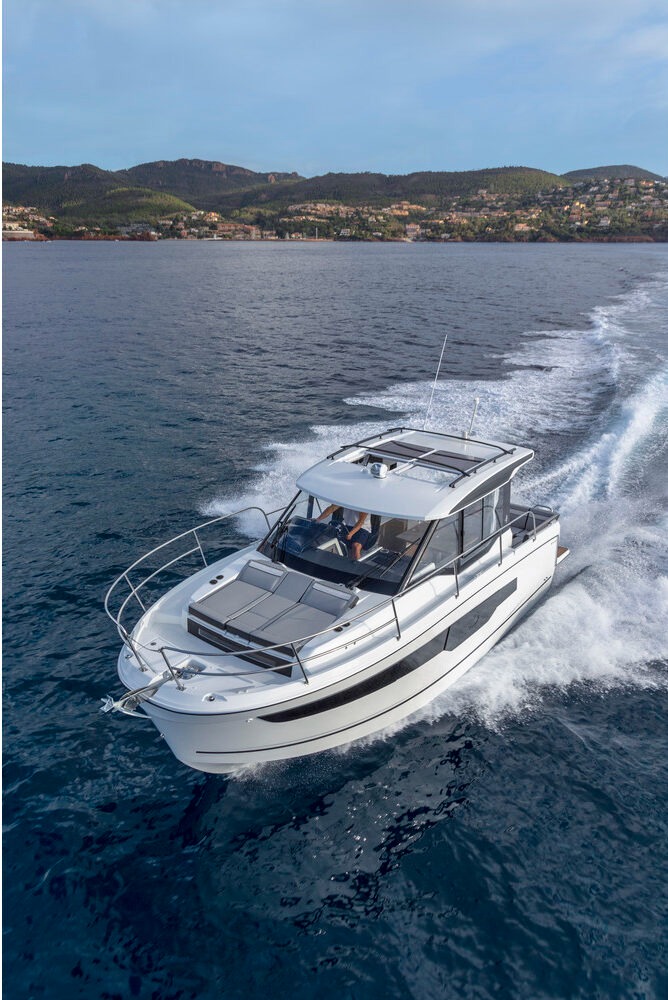
February 10, 2026 | Miscellaneous Why the Jeanneau Leader Series Stands Out for Discerning Buyers If you’re searching for a Jeanneau Leader for sale, you’re looking at one of the most well-balanced express cruiser lines on the market today. Here’s what you need to know before you buy: Quick Guide to Jeanneau Leader Boats: The Jeanneau Leader series has earned its reputation by delivering what many buyers struggle to find: a boat that performs like a sports cruiser but lives like a comfortable weekender. Designed by Michael Peters Yacht Design and Garroni Design, these express cruisers feature a sporty V-hull that delivers confident handling in varied conditions, while the interior layouts maximize every inch of space with clever modular designs that adapt to your needs—whether that’s entertaining friends in a wide-open cockpit saloon or converting the forward cabin into a private owner’s suite. The range spans from the nimble Leader 30, perfect for day trips and coastal exploration, to the Leader 36, which offers the amenities and accommodations for extended weekend cruising. Each model shares the same design DNA: clean lines, bright interiors with wide hull windows, and a focus on outdoor living spaces that connect you to the water. Popular options like SEANAPPS technology, Raymarine electronics packages, and comfort upgrades (heating, upgraded canvas, premium upholstery) allow buyers to tailor their boat to match their intended use. Understanding the market is crucial. Used Jeanneau Leader models typically range from approximately $198,000 to $250,000 for a Leader 33 (2016-2020 models), with pricing influenced by engine hours, maintenance history, installed options, and engine configuration (diesel inboards command a premium over gas). Recent listings show well-maintained examples with low hours and desirable factory packages holding their value exceptionally well. As Kendall Webre, Senior Sales Executive at Norton Yachts, I’ve guided dozens of buyers through the process of finding and evaluating performance cruisers, including multiple Jeanneau Leader for sale transactions. My focus is ensuring you understand not just the specifications, but how each model fits your actual boating lifestyle—and what to look for when evaluating a used vessel. The Jeanneau Leader DNA: A Blend of Performance and Elegance At Norton Yachts, we often say that a Jeanneau Leader isn’t just a boat; it’s a statement. It embodies a distinctive design philosophy that perfectly marries high performance with luxurious comfort, creating an experience we like to call the “dolce vita” on the water. This blend of attributes is precisely why so many of our clients in Deltaville, Norfolk, Richmond, and across the Chesapeake Bay region seek out a Jeanneau Leader for sale. The foundation of the Leader series’ exceptional handling and sporty character lies in its naval architecture. Collaborations with renowned designers like Michael Peters Yacht Design for the hull and Garroni Design for the overall aesthetic and interior ensure that every Leader model is both strikingly beautiful and incredibly capable. The sporty V-hull design, a hallmark of Michael Peters, allows these express cruisers to cut through the water with precision, offering exhilarating speed and remarkable seakeeping ability even when conditions get a little sporty. This means you can enjoy a smooth, confident ride, whether you’re cruising the calm waters of the Chesapeake or venturing into more open expanses. The target audience for the Jeanneau Leader series is broad, but consistently centers around those who appreciate quality, versatility, and the joy of being on the water. These boats are carefully designed for: Every Jeanneau Leader is crafted to evoke a sense of elegance and dynamism. From their sleek, elongated profiles to their thoughtfully appointed interiors, these boats are built to impress and to perform. When you step aboard a Leader, you immediately understand why it stands out in a crowded market. It’s an invitation to experience boating in a way that’s both thrilling and supremely comfortable. To truly understand the heritage and innovation behind these remarkable vessels, we encourage you to explore More about the Jeanneau brand. A Closer Look: Comparing the Leader 30, 33, and 36 Choosing the right Jeanneau Leader means understanding the nuances between models. While they all share that unmistakable DNA of performance and elegance, the Leader 30, 33, and 36 each cater to slightly different boating aspirations. Let’s explore what makes each one unique, and why one might be your perfect match here on the Chesapeake Bay. The Jeanneau Leader 30: The Agile Day-Tripper The Jeanneau Leader 30 is the entry point into the Leader series, but don’t let its size fool you. This agile day-tripper is a masterclass in maximizing space and delivering a lively performance. It’s the ideal choice for those who love spontaneous day trips, coastal exploration, and entertaining a few friends in style. Its sporty hull and elongated profile give it a distinctive, modern look. Designed for maximum enjoyment on the water, the Leader 30 features a cockpit layout that is carefully studied for improved comfort. You’ll find ample seating for guests, making it perfect for social gatherings. Below deck, the interior is surprisingly bright, thanks to Jeanneau’s commitment to natural light. While primarily a day boat, the saloon cleverly transforms into a double berth, offering comfortable overnight accommodations for those impromptu weekend getaways. Power options for the Leader 30 are versatile, including various inboard configurations like Volvo D4-260ZD / D4-300ZD, or MerCruiser options such as 1 x 6.2L 350CV DTS – Bravo 3X Gas, or twin 250CV MerCruiser setups. There’s even an outboard version (such as the 2019 HB with 2 x 175 HP) for those who prefer that configuration. With an overall length of 9.23 meters (30’3″) and a hull length of 7.76 meters (25’6″), a displacement of 3700 kg (8157 Lbs), and a fuel capacity of 300 liters (79 US gal), the Leader 30 offers impressive performance and range for its class. It typically features one cabin, ideal for a couple or small family. For more in-depth information, you can Learn more about the Leader 30. The Jeanneau Leader 33: The Versatile Family Cruiser Stepping up in size, the Jeanneau Leader 33 strikes an exceptional balance between sporty performance and family-friendly